

Why is the hair follicle traumatized by cancer treatments?
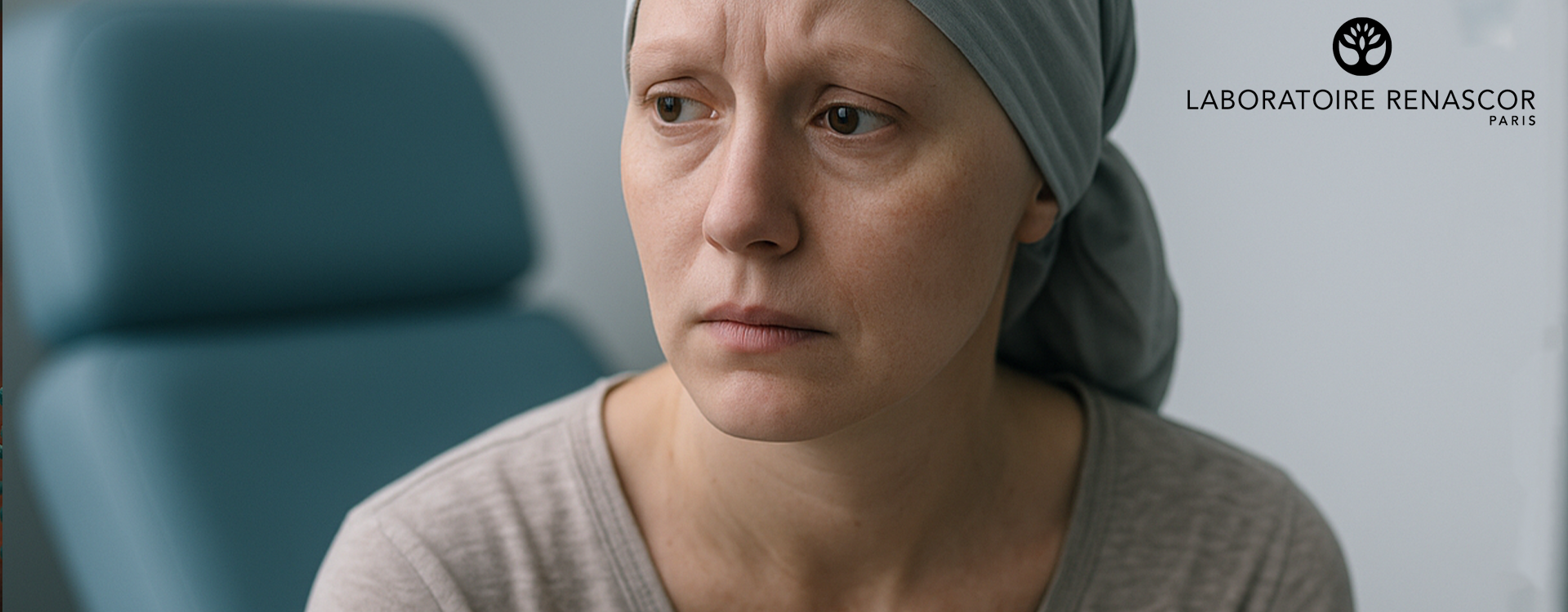
When cancer treatments begin, the entire body is mobilized. The therapies aim to target rapidly dividing cells... but the hair follicle is part of those cells.
As a result: the hair stops growing, falls out, and then rebuilds later.
This deep trauma to the follicle explains how the hair will regrow: curlier, finer, drier, coarser, sometimes different for several months.
To rebuild correctly, one must first understand what has been weakened.
1. The hair follicle: one of the body's most active tissues
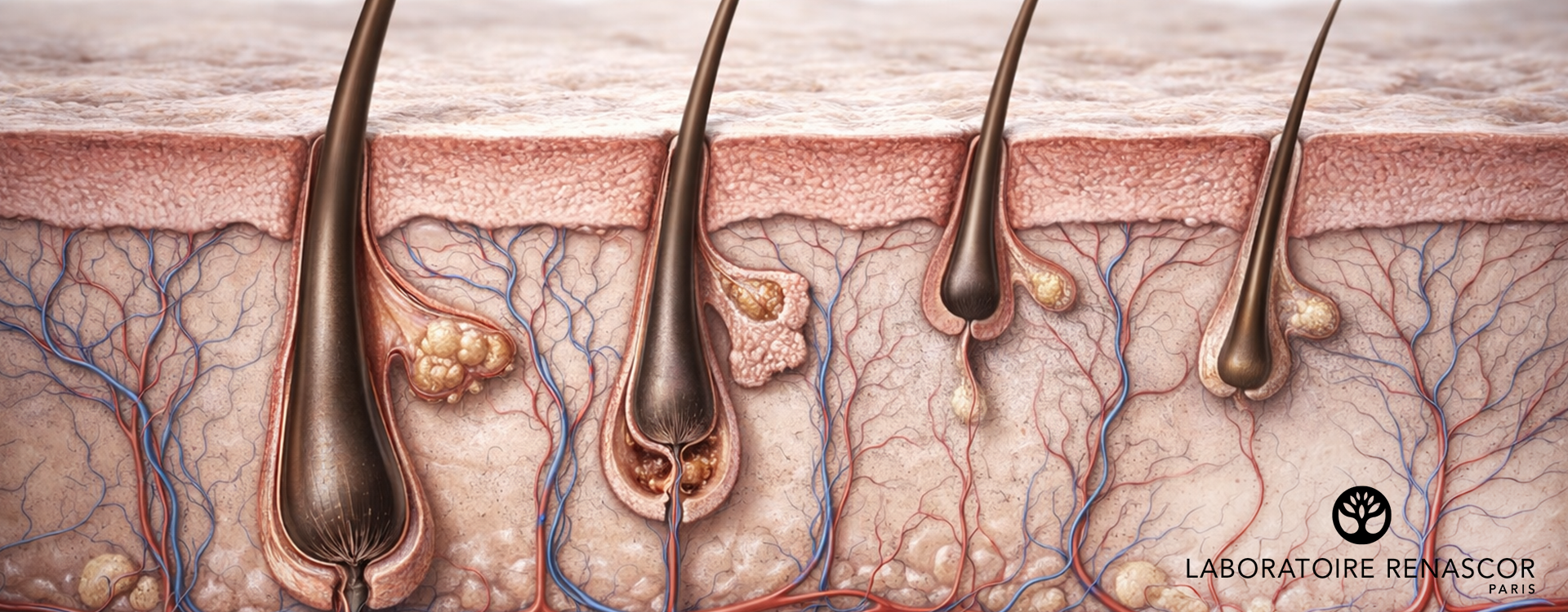
The hair follicle is not just a simple "root".
It is a miniature organ, extremely complex, made up of cells that renew faster than those in the bone marrow.
Every day, it produces between 0.3 and 0.5 mm of hair fiber thanks to:
-
the follicular matrix (cell division area),
-
keratinocytes,
-
melanocytes (pigmentation),
-
sheathed structures that give the hair its shape.
It is an extremely active biological machinery... and therefore extremely sensitive to treatments.
2. Why do cancer treatments directly affect it?
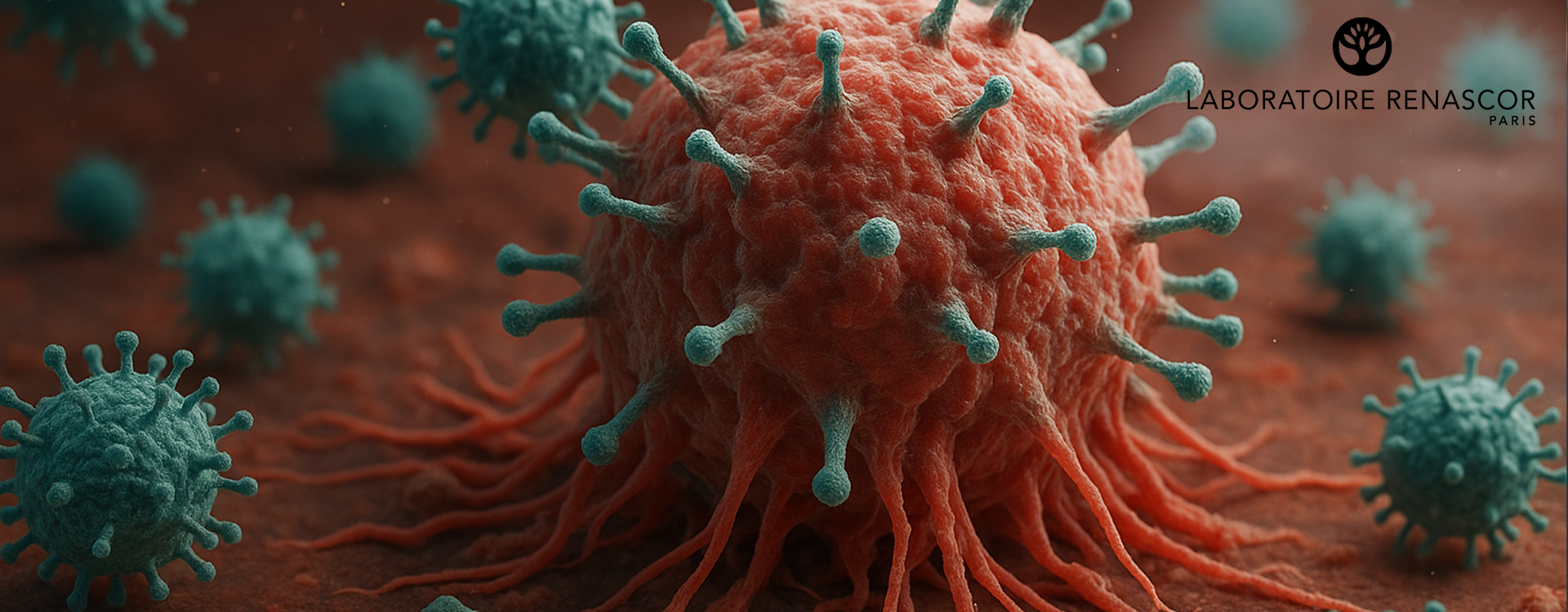
Chemotherapies and some targeted treatments attack cells that divide quickly. This is their mechanism of action.
Now, the hair follicle is one of the most proliferative tissues in the human body.
It then becomes:
-
an involuntary target,
-
a vulnerable tissue,
-
an organ that suddenly stops functioning.
This triggers:
-
an effluvium (growth cessation),
-
a massive fall within days or weeks,
-
a completely interrupted hair cycle.
This is not a cosmetic issue.
It is a biological and physiological consequence, perfectly logical.
3. Inflammation: an unavoidable reaction
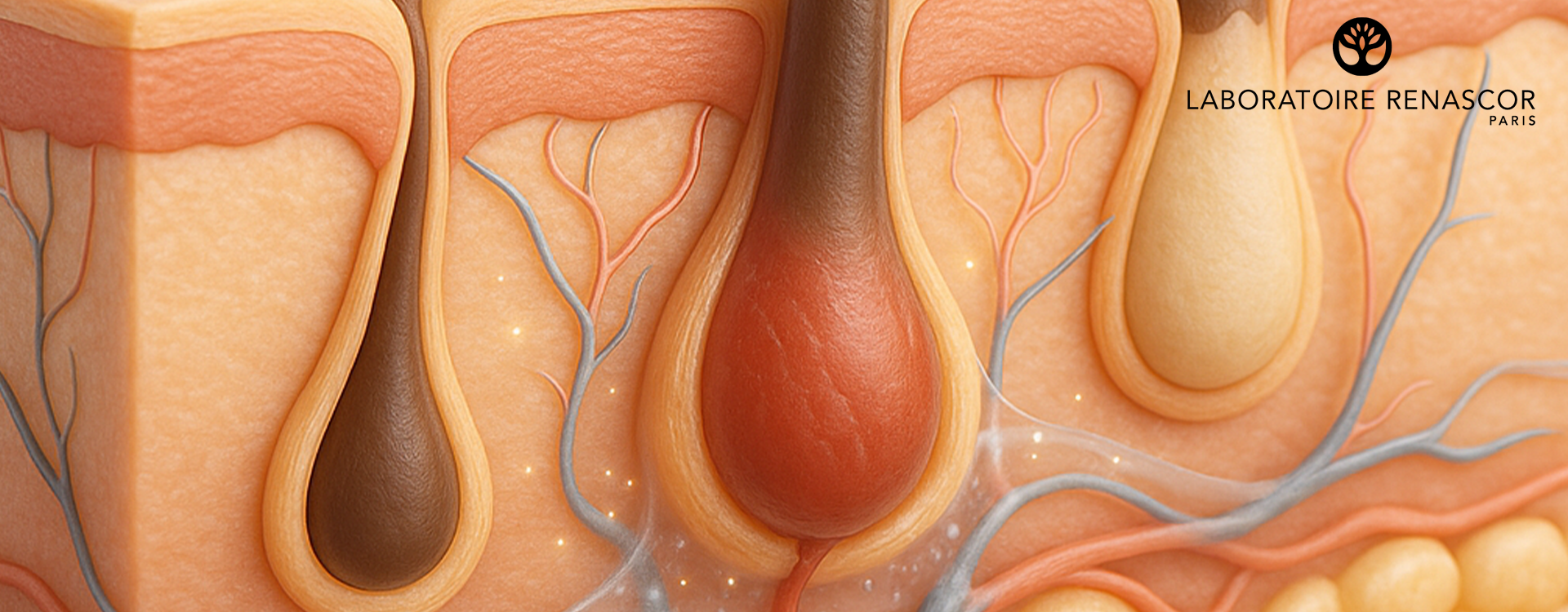
When the follicle undergoes this shock, a local inflammation appears.
It can:
-
modify the local blood circulation,
-
disrupt the signals necessary for growth,
-
make the scalp sensitive or drier,
-
slow down the reconstruction of the bulb.
This inflammatory phase is often invisible but crucial.
It explains why, during regrowth:
-
the fiber is different,
-
the scalp is more fragile,
-
the first weeks are unstable.
The hair reconstruction is not immediate:
it is a true biological convalescence.
4. The follicle must then "reprogram" itself
After treatments, the follicle must fully restore:
-
its cycle: move from rest (telogen) to growth (anagen),
-
its shape: redraw the internal curvature that determines whether the hair will be straight or curly,
-
its keratinization: restart creating solid and even fiber,
-
its pigmentation: restart the work of melanocytes,
-
its environment: regain a stable, hydrated, oxygenated scalp.
The slightest variation in any of these parameters is enough to change the texture, appearance, or shape of the hair.
The change is therefore not "aesthetic":
it is biological, mechanical, and structural.
5. Why is regrowth sometimes "chaotic"?
When follicles restart, they do not all restart at the same time or with the same intensity.
Some rebuild quickly, others slowly.
This is why the first centimeters of regrowth can be:
-
curly at the root,
-
irregular,
-
thicker or thinner,
-
of a different color.
This is not an anomaly.
It is the signature of a reborn follicle.
Over time, the cycles harmonize again.
6. How to support this reconstruction of the follicle?
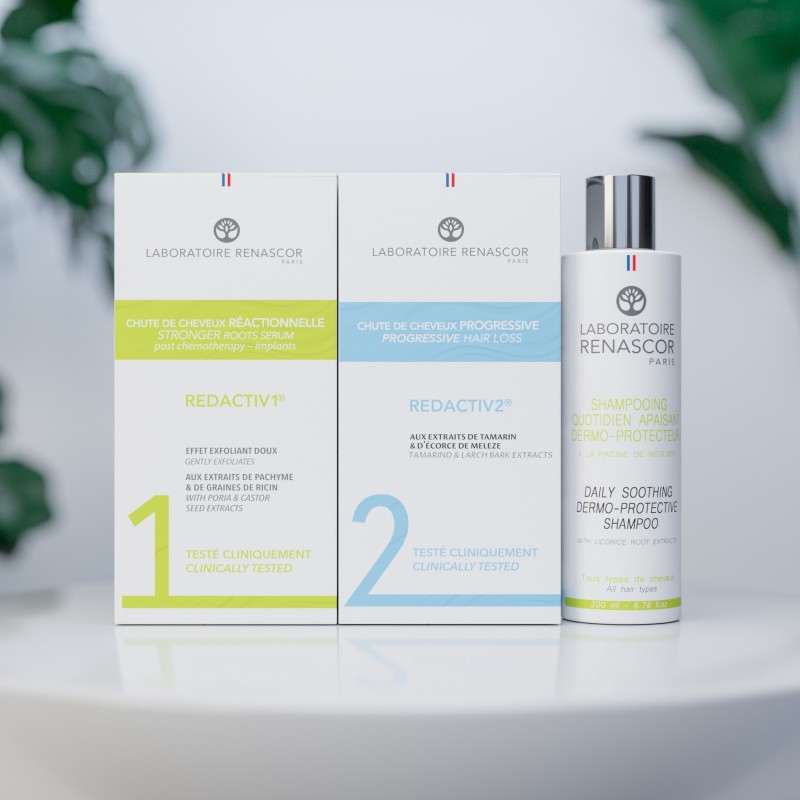
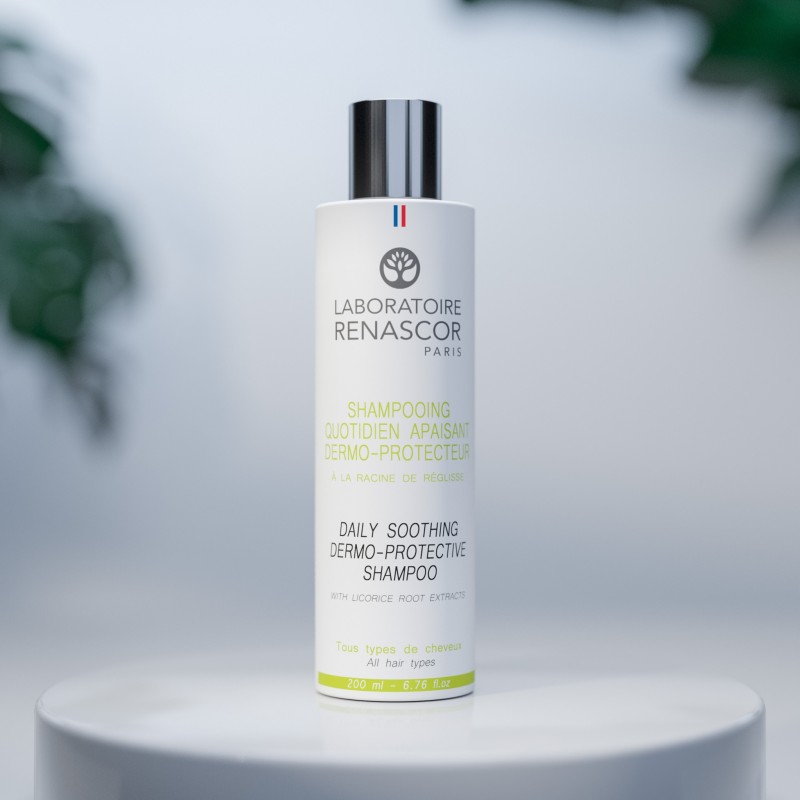
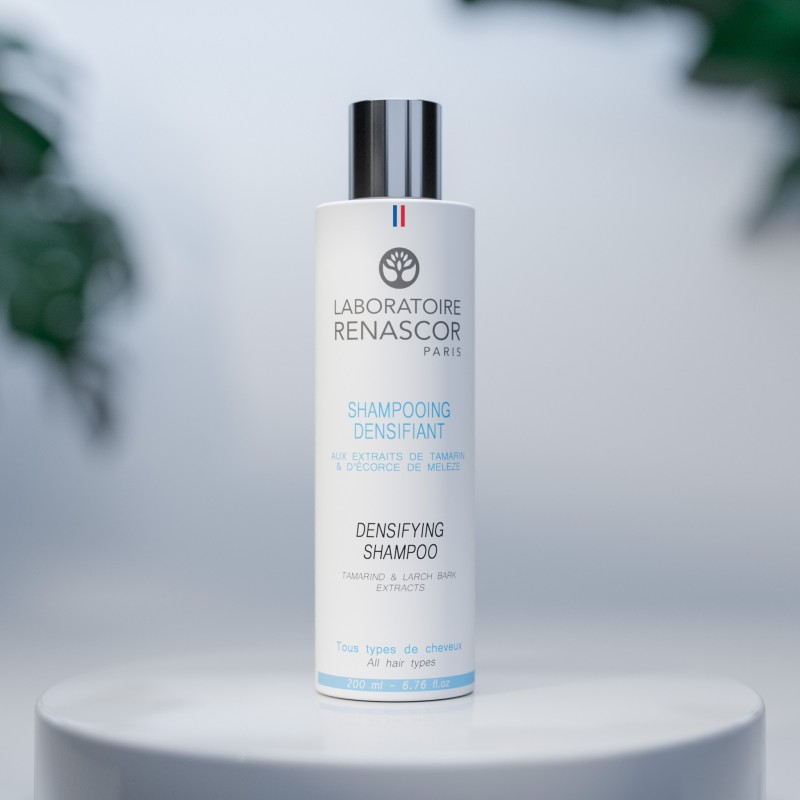
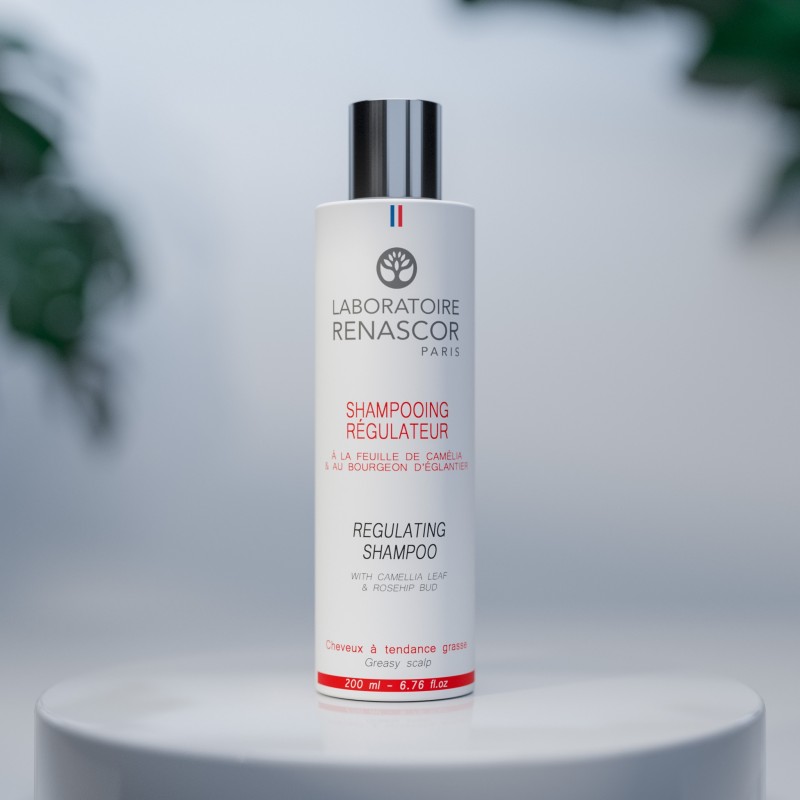
This is precisely the mission of Laboratoire RENASCOR:
to rebuild a weakened follicle to stabilize regrowth.
The care protocol acts on:
-
the revival of the anagen cycle,
-
the reduction of follicular inflammation,
-
the normalization of keratinization,
-
local vascularization,
-
the balance of the scalp.
The reconstruction of the follicle is not "spontaneous".
It must be supported, soothed, guided.
Conclusion: an organ that rebuilds, like a living tissue
The hair follicle is one of the most sensitive organs to cancer treatments.
It undergoes trauma, followed by a deep repair phase that explains each change in texture, form, or behavior of the hair.
Understanding this allows one to experience regrowth differently:
as a logical, progressive biological process, full of hope.