

Why do hair become dry, coarse, or brittle after chemotherapy?
Post-chemotherapy hair regrowth is often marked by a dry, coarse texture, less flexibility, and more difficulty in styling.
This phenomenon is not trivial: it signals a lasting disruption of the biology of the hair follicle and a profound alteration of the keratinization and hydration mechanisms of the hair.
Understanding these changes is essential to effectively support hair reconstruction after oncological treatment.
1. Impact of oncological treatments on the follicular matrix
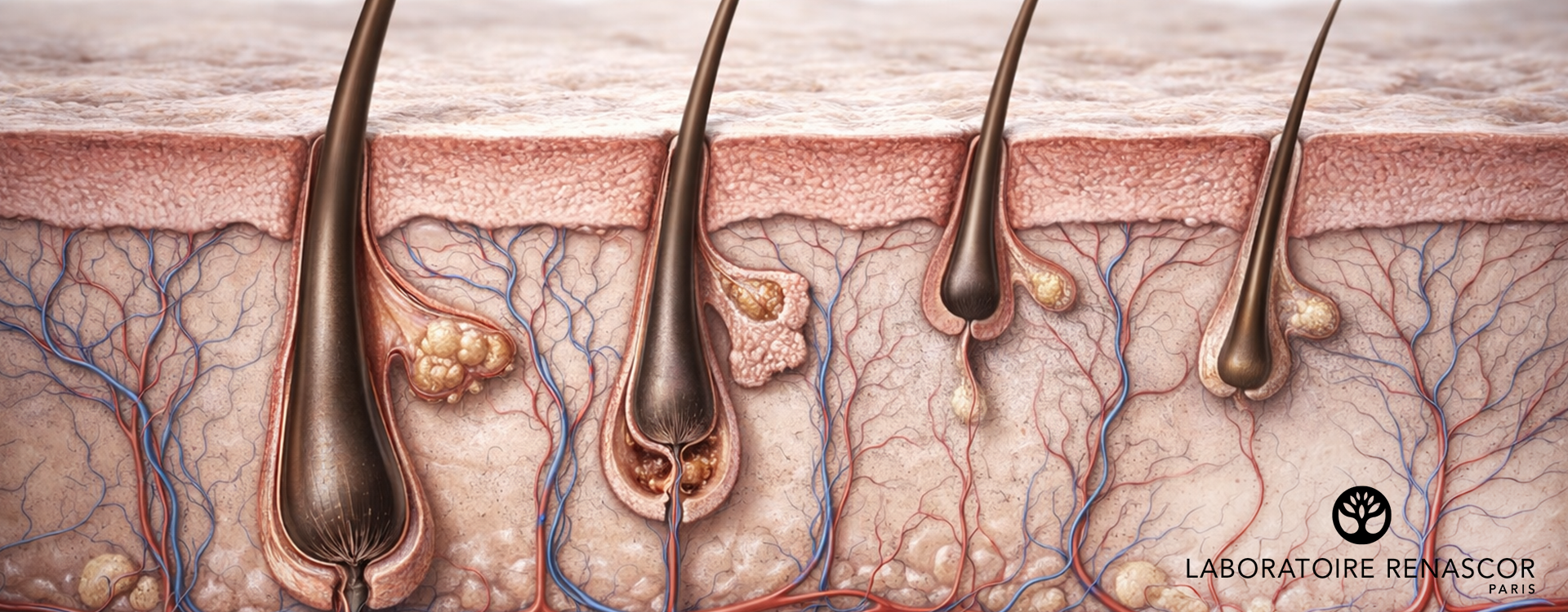
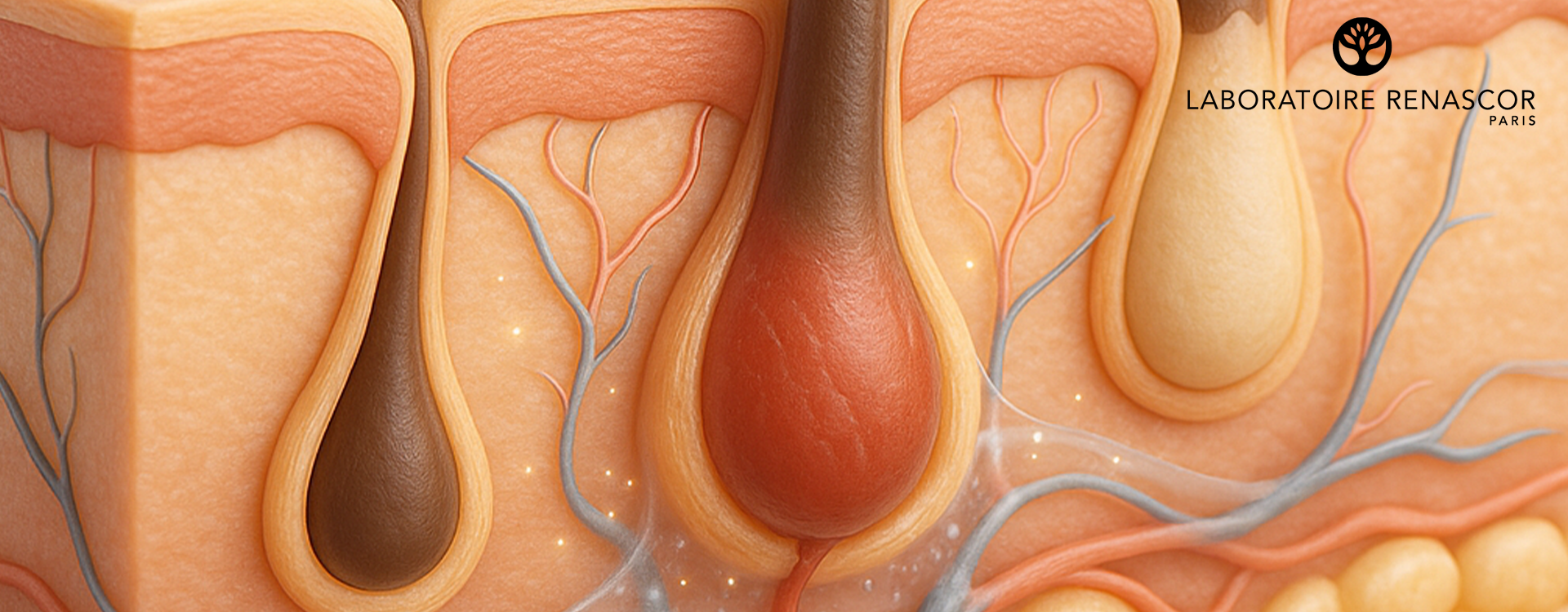
Chemotherapy affects the matrix area of the follicle – the region responsible for hair fiber formation – leading to:
-
an interruption and desynchronization of the anagen cycle,
-
a disruption of keratin precursors,
-
a decrease in the activity of cuticle-producing cells,
-
an asymmetric and incomplete reconstruction of follicular sheaths.
When the matrix restarts, it is not immediately capable of producing a cohesive, hydrated, and mechanically robust fiber.
The first centimeter of regrowth is therefore often irregular, porous, and fragile.
2. Sebum deficit and alteration of the hydrolipid film
Sebum, produced by sebaceous glands, plays a central role in:
-
the lubrication of the fiber,
-
the cohesion of the cuticle,
-
the protection against dehydration,
-
the flexibility and shine of the hair.
However, after chemotherapy:
-
sebum production is significantly reduced,
-
the distribution of sebum along the fiber is disturbed,
-
the scalp may remain dry for several months.
In the absence of a functional hydrolipid film, the hair fiber becomes:
-
dry,
-
coarse,
-
more brittle,
-
less protected against external aggression.
3. Disorganization of the cuticle and increased porosity
The cuticle is the outer layer of the hair.
It ensures mechanical integrity and prevents water loss.
After chemotherapy, one often observes:
-
irregular or disjointed scales,
-
an incomplete or thin cuticle,
-
abnormally high porosity,
-
increased sensitivity to friction and dehydration.
This porosity explains why the fiber:
-
absorbs moisture but does not retain it,
-
becomes rough to the touch,
-
breaks more easily during styling.
4. Low-grade inflammation and consequences on fiber quality
A residual follicular inflammation can persist for several months after treatment ends.
This inflammation:
-
disrupts the quality of keratinization,
-
induces micro-irritations that alter the hair base,
-
weakens the junction between the cuticle and cortex,
-
slows down the normalization of the hair cycle.
The combination of these factors leads to a dysfunctional fiber, frequently dry and irregular.
5. An objective marker of follicular reconstruction
Dry and coarse post-chemo hair is not a minor aesthetic effect:
it constitutes a marker of incomplete reconstruction, revealing:
-
a follicle that has not regained its biochemical rhythm,
-
an unstable keratinization,
-
insufficient hydration of the scalp,
-
an immature hair cycle.
Ignoring this signal risks:
-
prolonging hair fragility,
-
delaying the return to a normal texture,
-
compromising density in future cycles.
6. Necessity of a targeted protocol to restore fiber integrity
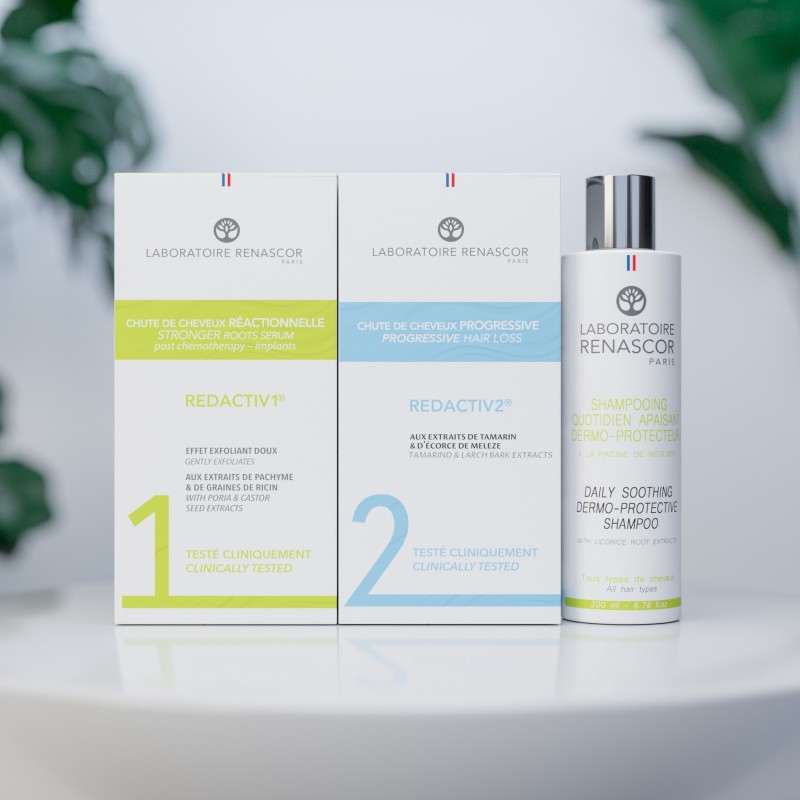
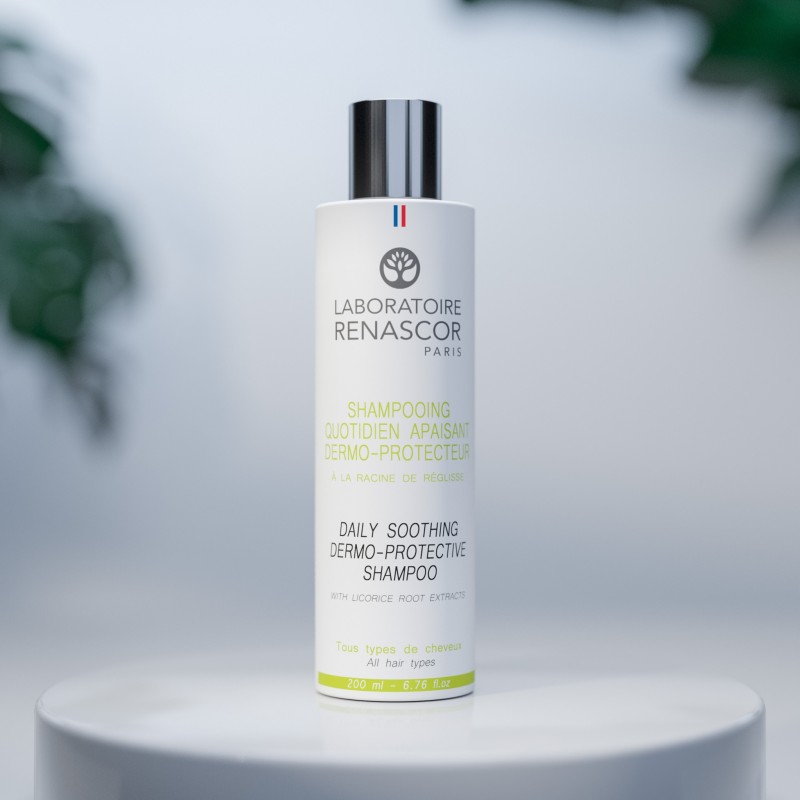
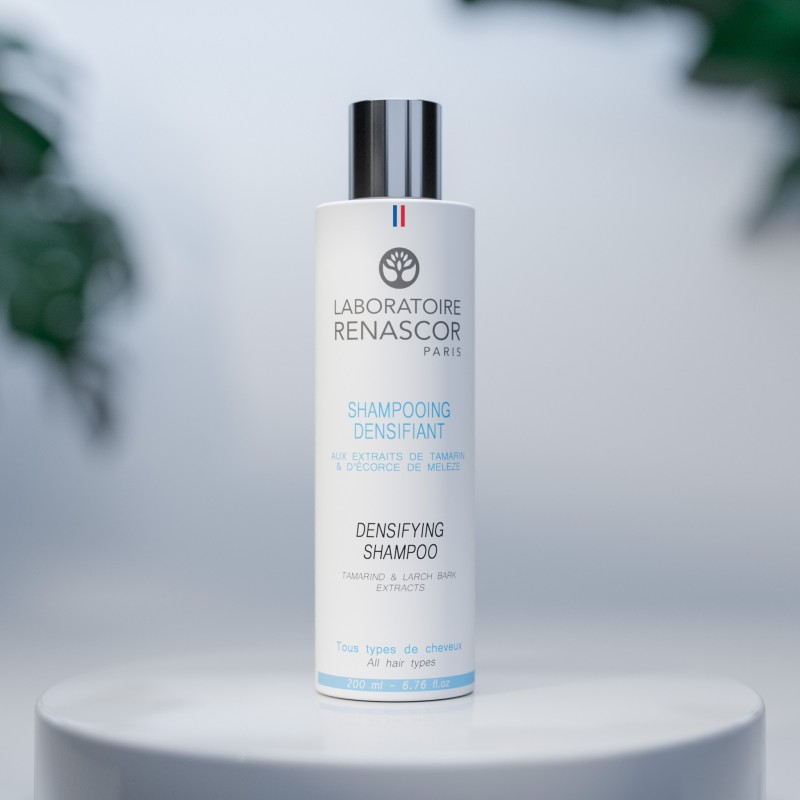
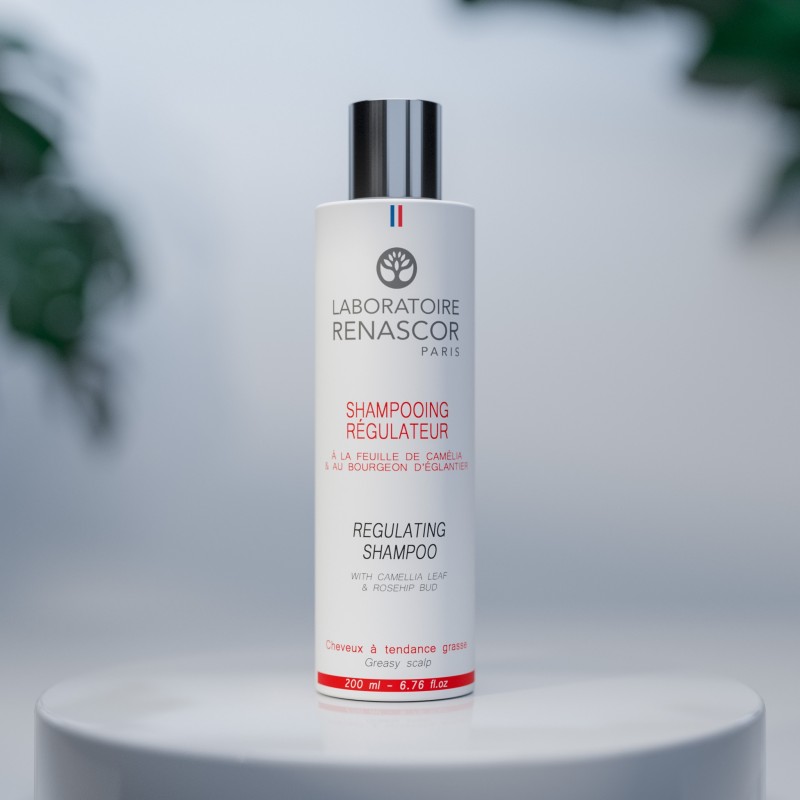
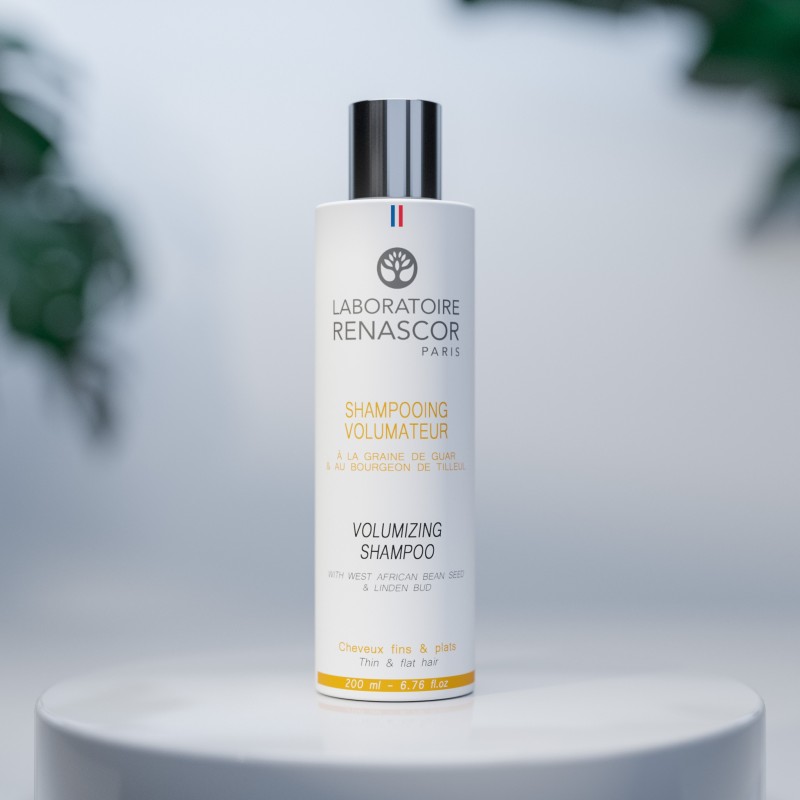
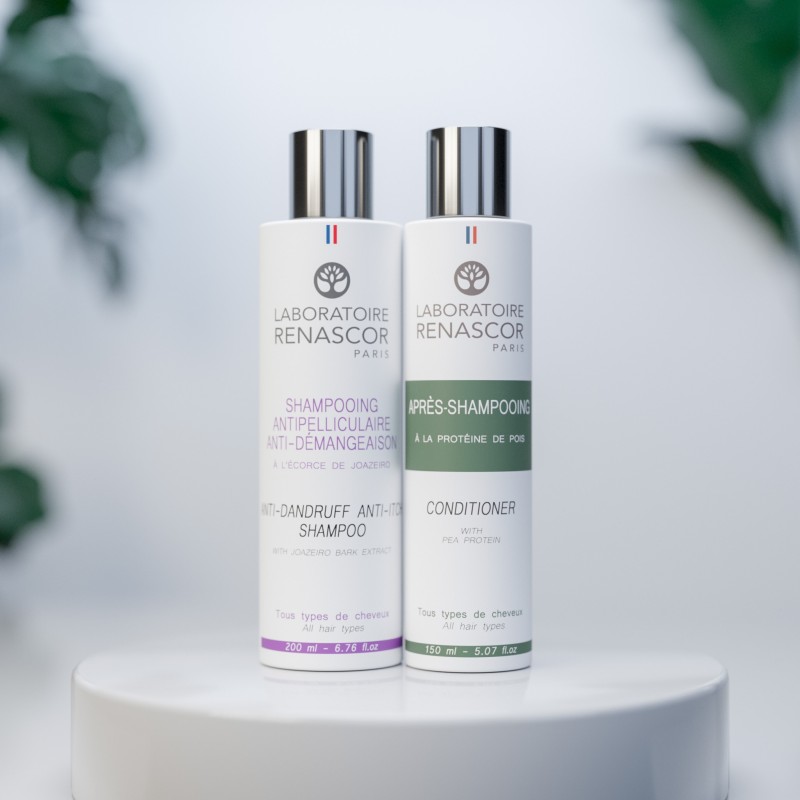
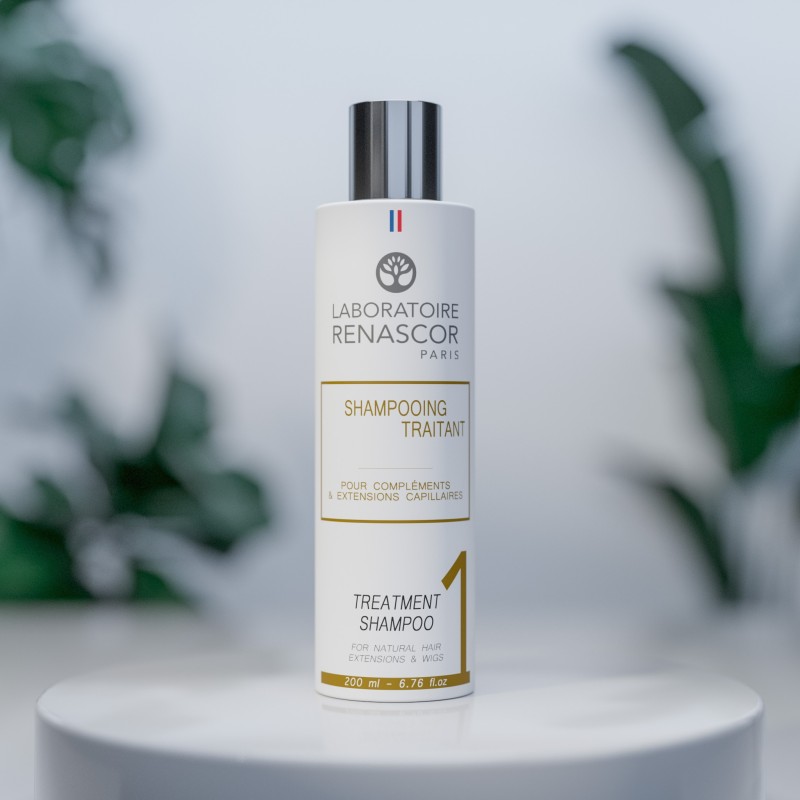
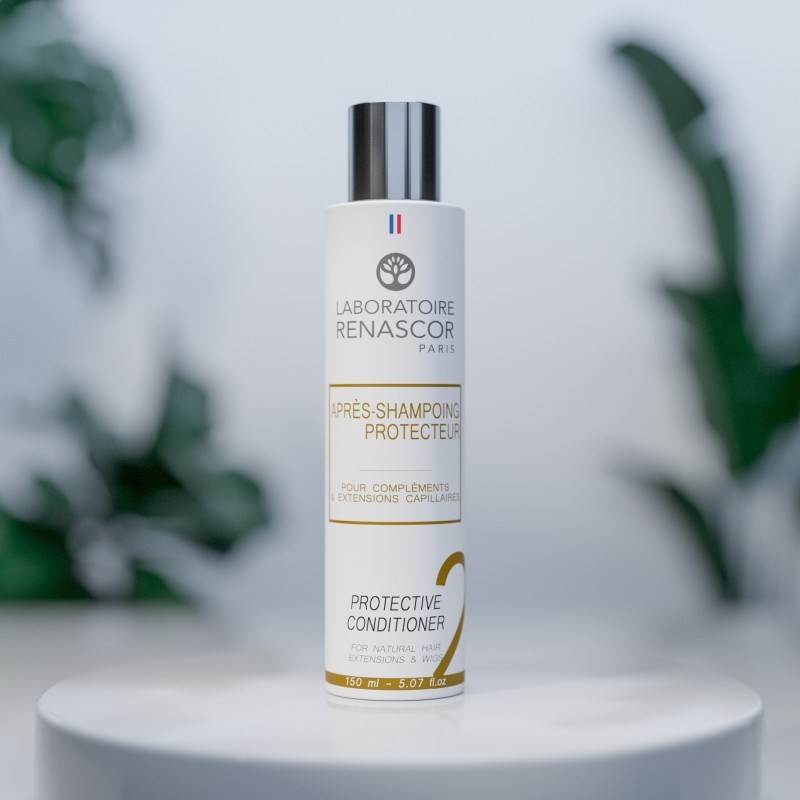
The post-chemotherapy reconstruction protocol from Laboratoire RENASCOR specifically addresses the anomalies observed in this phase:
• Reduction of perifollicular inflammation
(essential for normalizing keratinization)
• Improvement of cuticle cohesion
via keratin and structural regulating actives.
• Support for the anagen cycle
for a more regular and better-formed fiber.
• Optimization of microcirculation
to restore a stable biological environment around the follicle.
• Gradual normalization of sebum
to restore the protective hydrolipid film.
The goal is not to provide superficial cosmetic hydration,
but to restore the biological parameters that allow the hair to be naturally hydrated and resilient.
Conclusion
The dryness, roughness, and fragility of post-chemo hair reflect a profound alteration of the fiber structure and the functioning of the follicle.
This phenomenon, far from being trivial, serves as a clinical indicator of incomplete reconstruction.
A specific, rigorous, and scientifically constructed protocol — such as that from Laboratoire RENASCOR — is essential to restore cohesion, integrity, and quality of the fiber during the early cycles of regrowth.