


Assessing the effectiveness of a hair treatment: the 4 essential criteria (and the mistakes to avoid)
In the field of hair reconstruction, it’s not enough for a treatment to look appealing or to be publicized to be effective.
Advertising often reflects the financial power of the manufacturer, not necessarily the biological or clinical quality of the treatment.
What matters is the reality of the results, the rigor of the formulation, and the consistency of hair improvement over time.
1. Ingredients: beware of appearances
The composition of a treatment is one of the first criteria to examine, but it must be interpreted with caution.
Many users rely on the presence of active ingredients highlighted in advertising, without knowing their actual concentration or the formulation logic.
🔹 The order of ingredients on the INCI list (International nomenclature) theoretically follows a ranking from the most concentrated to the least concentrated.
But in reality, this rule is only valid for ingredients present at more than 1%.
Below this threshold, the manufacturer can list them in any order, which means that the second half of the list no longer reflects the actual proportion of the actives.
🔹 Thus, some ingredients may be present in tiny doses — sometimes essential for stability, tolerance, or preservation, but with no major impact on effectiveness.
🔹 Conversely, components that are less “visible” from a marketing perspective may play a crucial role in the delivery of actives, skin penetration, or cell stimulation.
The quality of a treatment is not measured by the length of its composition or the notoriety of its ingredients, but by the coherence of the formula and the clinical proof of its effectiveness.
2. Visible results: consistency above all
A quality hair treatment acts over time, restoring the biological functions of the scalp and strengthening the fiber.
The first tangible signs often appear after several weeks of regular use.
✅ Good indicators to observe:
-
Natural and even shine.
-
Softer hair, easier to style.
-
Reduced breakage and better resistance to damage.
-
Appearance of new hair in sparse areas.
A truly effective treatment shows slow but constant progress, a sign of deep cellular action.
3. Professional support: a reliable benchmark
A professional diagnosis remains the best guarantee to avoid interpretation mistakes.
A hair expert or a socio-esthetician will know how to:
-
Identify the real causes of hair loss (hormonal, nutritional, post-chemotherapy…).
-
Adapt treatments according to the scalp's nature.
-
Establish a gradual and measurable regrowth protocol.
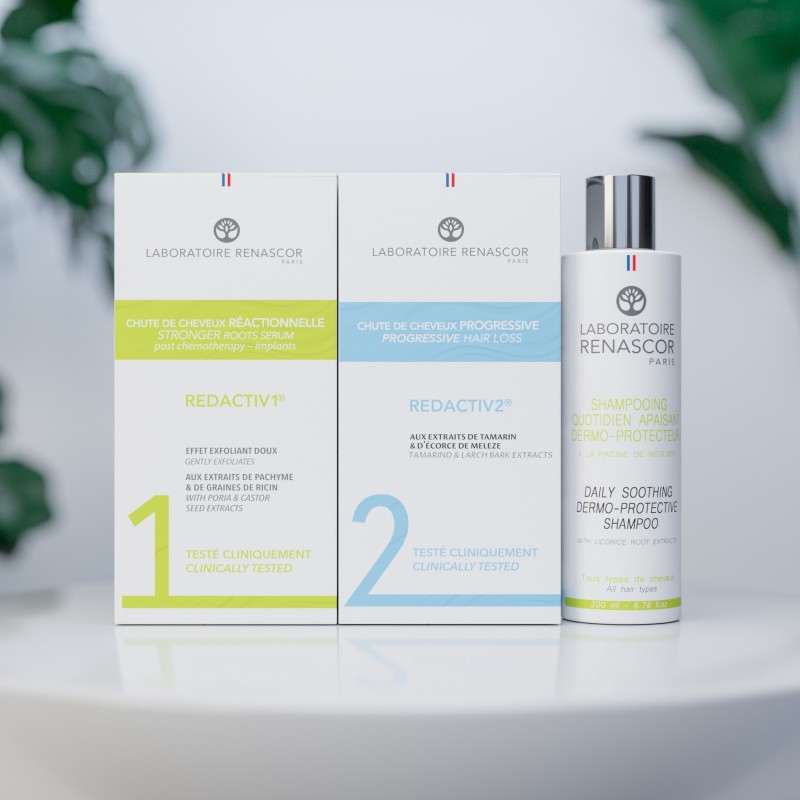
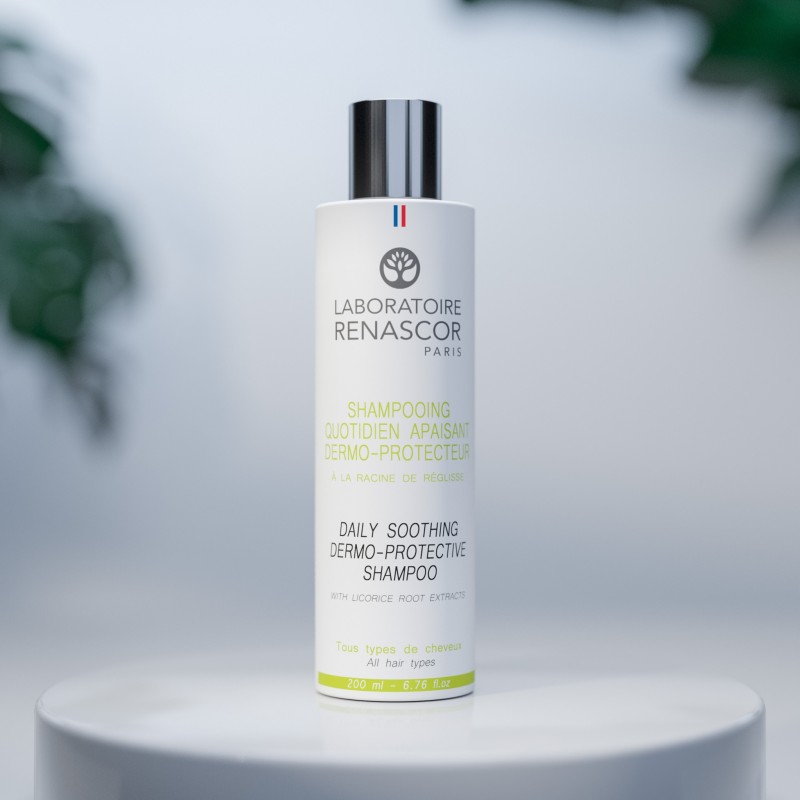
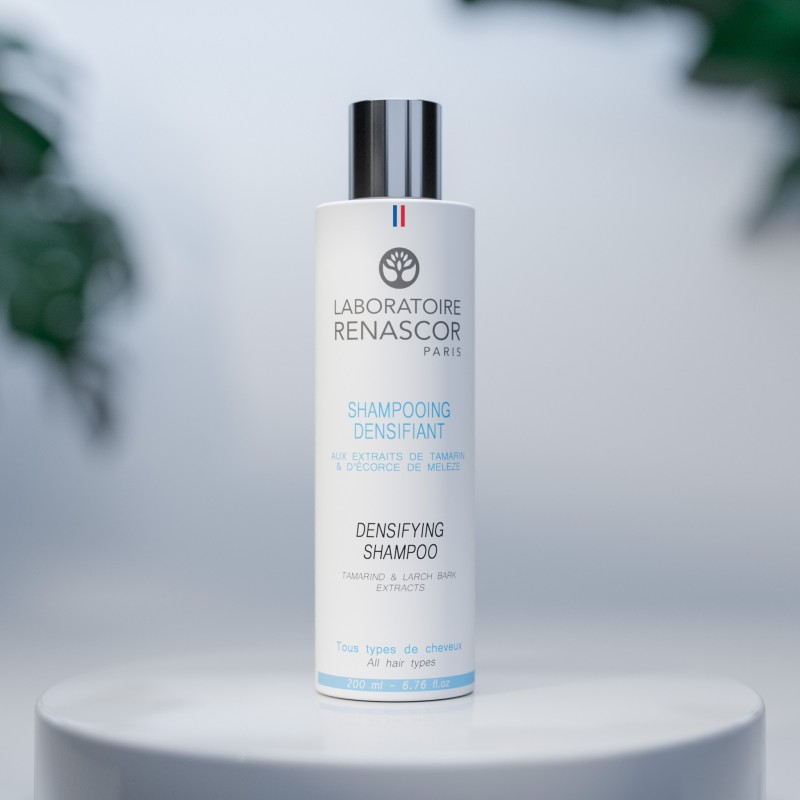
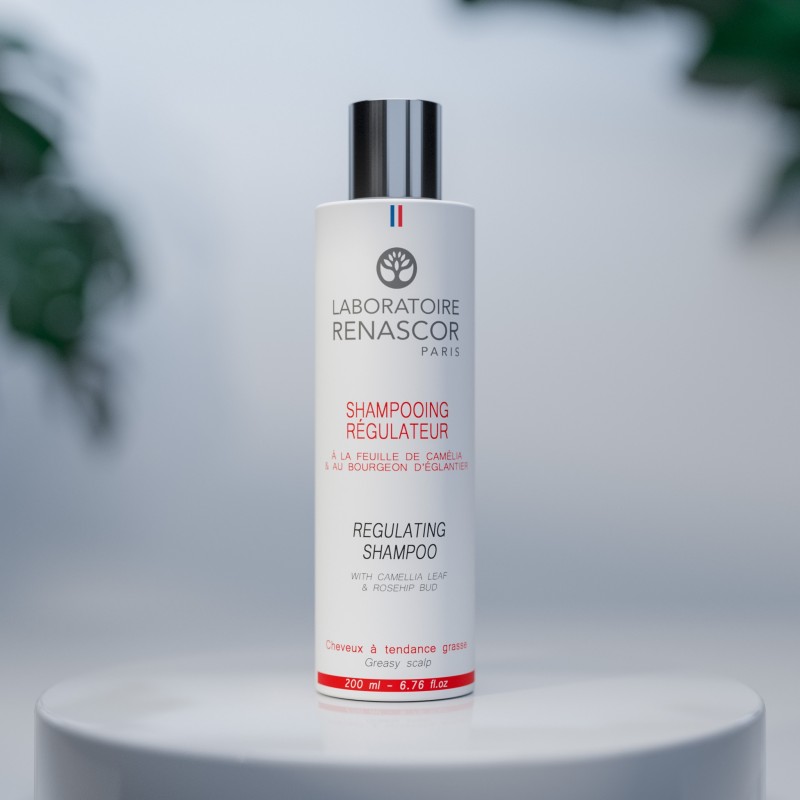
At the RENASCOR Laboratory, each protocol is part of a scientific and human approach, far from marketing promises.
4. Communication and reviews: learning to read between the lines
Appealing advertisements and influencer campaigns do not guarantee the quality of a treatment.
They primarily reflect the financial power of the manufacturer, not their scientific seriousness.
It is better to prioritize brands capable of presenting their clinical results, their tolerance tests, and the real testimonials of patients or professionals.
Authentic feedback talks about visible improvement after several weeks, better texture, and a boost in confidence, rather than an immediate transformation.
In conclusion
Evaluating a hair treatment requires clarity:
-
not letting oneself be influenced by advertising,
-
knowing how to read a composition without overinterpreting,
-
observing concrete and lasting results,
-
and relying on qualified professionals.
The RENASCOR Laboratory, backed by its biotechnological research and expertise in post-cancer and hormonal hair reconstruction, is committed to a transparent approach focused on measurable effectiveness and the biological truth of results.