


Winter nutrition and hair health: understanding the biological links to better preserve your hair
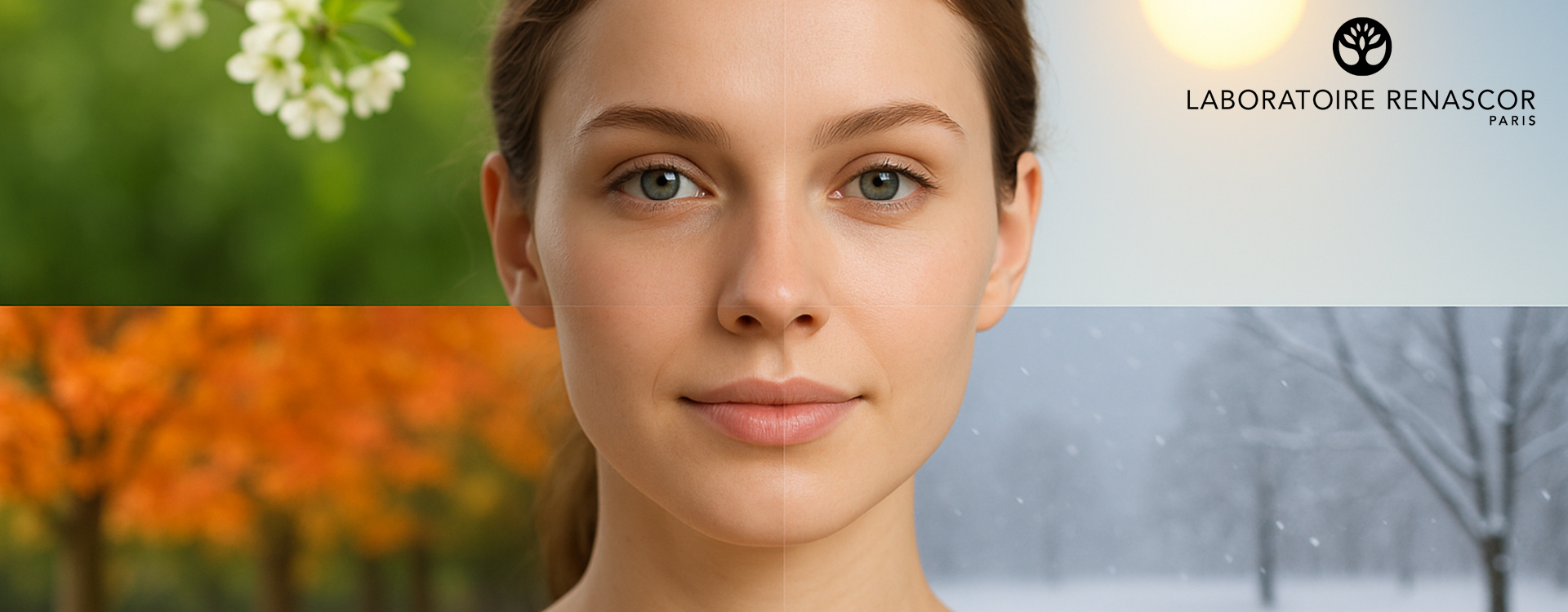
When winter sets in, the human body enters a phase of physiological adaptation. Reduced sunlight, cold temperatures, dry air, seasonal hormonal changes and dietary changes directly influence the condition of the scalp and hair.
Hair health is not exempt from these adjustments, and certain vulnerabilities can appear or worsen: drier hair, seasonal shedding, slowing of the hair growth cycle, more sensitive scalp.
In this context, nutrition plays a fundamental role, but it is only one of the levers for hair health. Understanding its limits makes it possible to adopt a fairer, more effective and more sustainable approach.
Why does winter make hair more fragile?
On the biological level, several phenomena accumulate during the winter period:
-
Decreased vitamin D synthesis, linked to reduced sun exposure, which can influence the hair growth cycle
-
Peripheral vasoconstriction, reducing blood supply and oxygenation of the scalp
-
Cold outdoor air and indoor heating, promoting skin dehydration
-
Change in eating habits, sometimes richer but less balanced in terms of micronutrition
These factors can lead to a less well-nourished scalp, a weakened hair fiber and a temporary decrease in hair density.
Essential nutrients for hair health during winter
An appropriate diet helps support the biological mechanisms involved in the hair life cycle: cell division, keratin synthesis, follicular vascularization and protection against oxidative stress.
Proteins: the structural basis of hair
Hair is composed mainly of keratin, a fibrous protein. Insufficient protein intake can slow the production of new hair or weaken existing fibers.
Interesting food sources in winter:
-
fish
-
eggs
-
poultry
-
legumes (lentils, chickpeas)
-
fermented dairy products
Essential fatty acids: support for the scalp
Omega-3 fatty acids contribute to:
-
scalp suppleness
-
regulation of inflammatory processes
-
maintenance of the hydrolipidic film
They are found notably in:
-
fatty fish (salmon, sardine, mackerel)
-
nuts
-
flax or chia seeds
-
certain high-quality vegetable oils
Vitamins involved in cellular renewal
-
Vitamin A: contributes to the renewal of scalp cells
-
Vitamin E: protects cells against oxidative stress
-
B-group vitamins (including biotin): involved in hair growth and vitality
Pertinent food sources:
-
green vegetables
-
carrots
-
sweet potatoes
-
avocados
-
dried fruits
Key minerals for hair growth
-
Iron: essential for follicle oxygenation
-
Zinc: involved in cell division and tissue repair
-
Selenium: contributes to protection against oxidative stress
These minerals are present in:
-
seafood
-
meats
-
eggs
-
green vegetables
-
whole grains
Nutrition and hair health: a necessary base but sometimes insufficient
A balanced diet constitutes an indispensable foundation for hair health.
However, in certain situations — chronic fatigue, long-standing deficiencies, significant physiological stress or intensive medical treatments — nutritional intake alone may not be sufficient to effectively restart the hair life cycle.
In these cases, the scalp remains biologically fragile despite a rigorous lifestyle. This is precisely where targeted scalp support becomes meaningful.
Hair reconstruction: RENASCOR Laboratory’s holistic approach
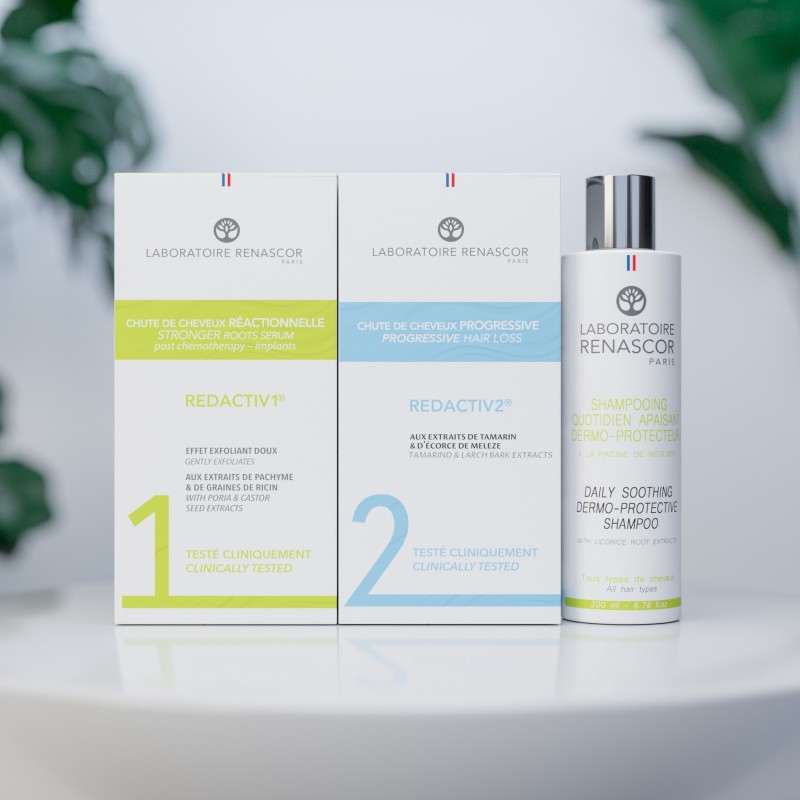
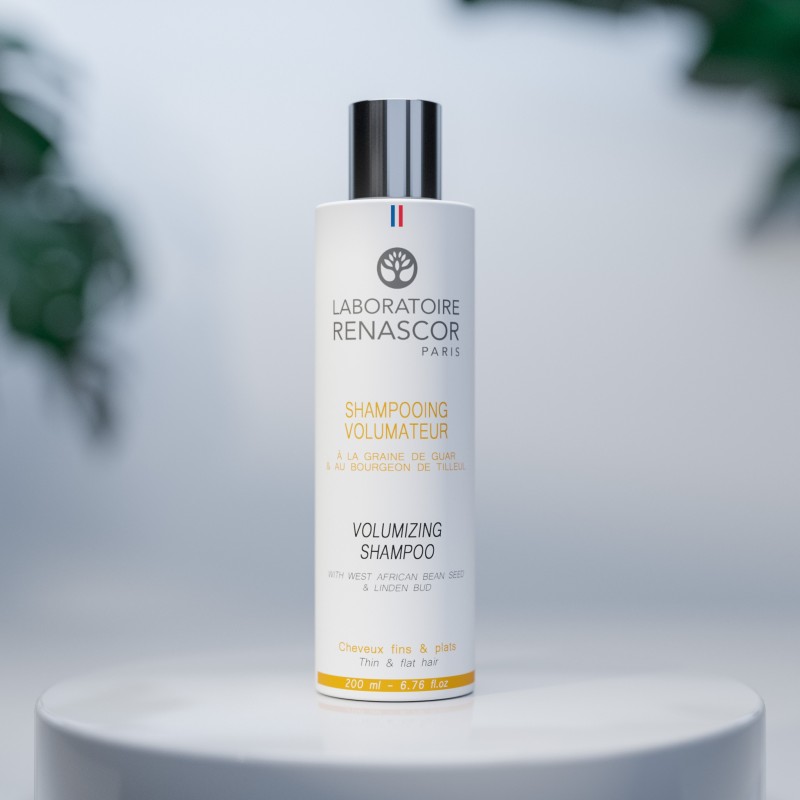
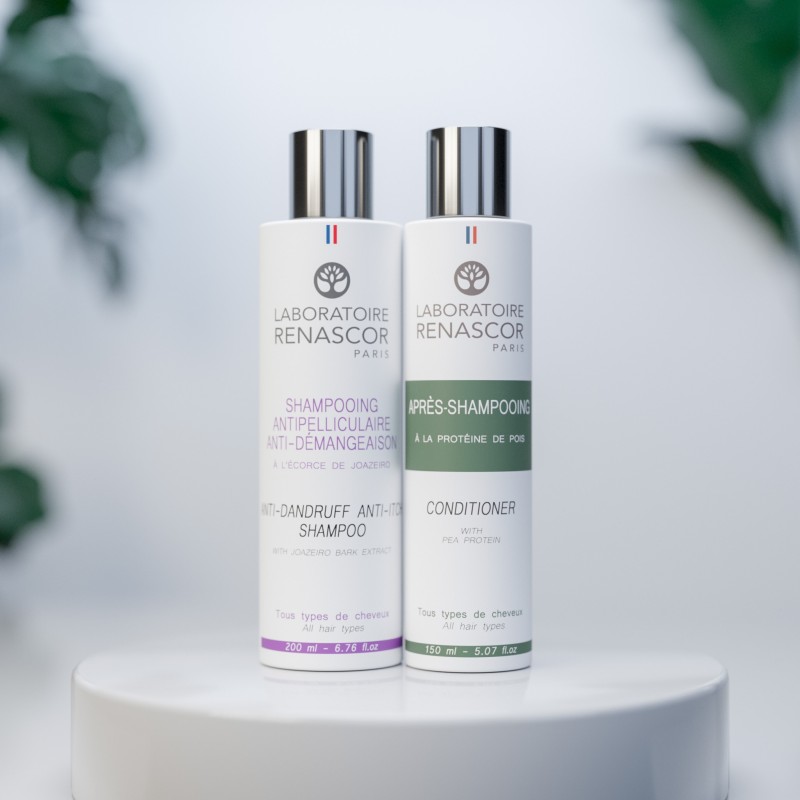
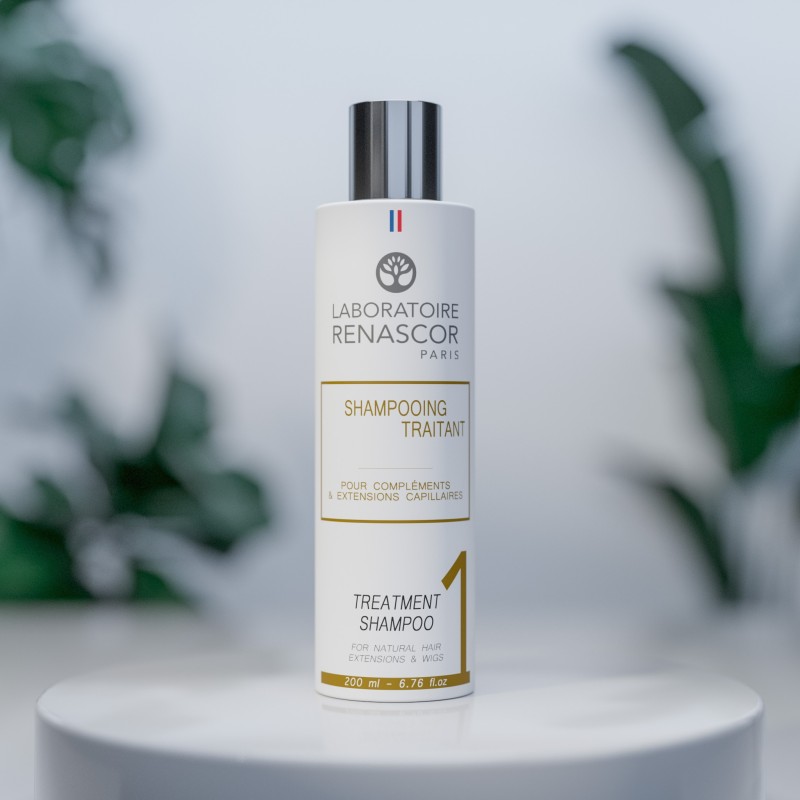
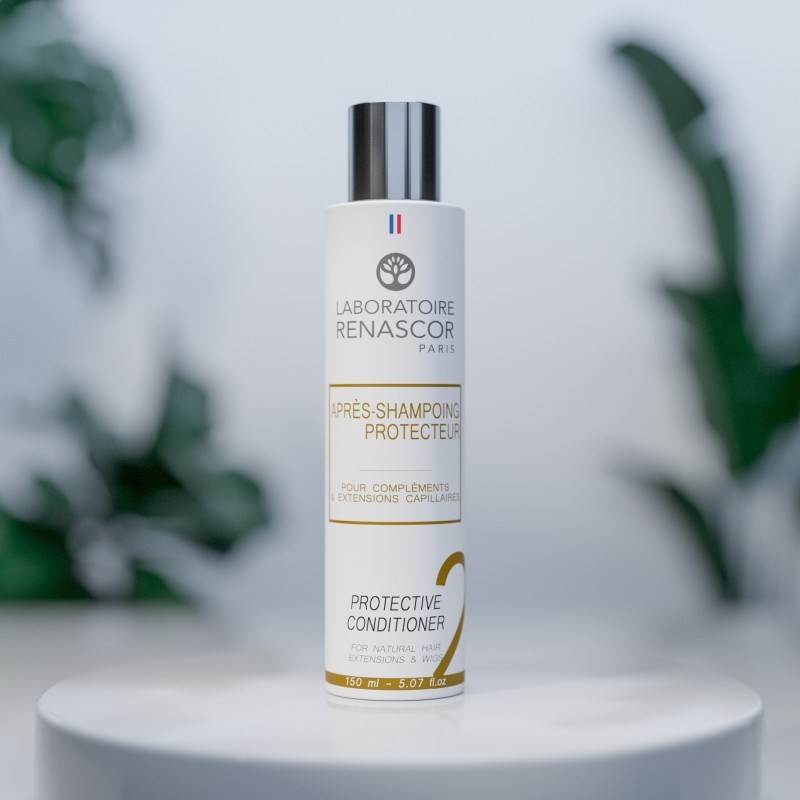
RENASCOR Laboratory has specialized in hair reconstruction, working directly at the level of the scalp and the hair follicle environment.
This approach is based on a detailed understanding of the biological mechanisms of the hair cycle and on respecting the natural physiological processes of regrowth.
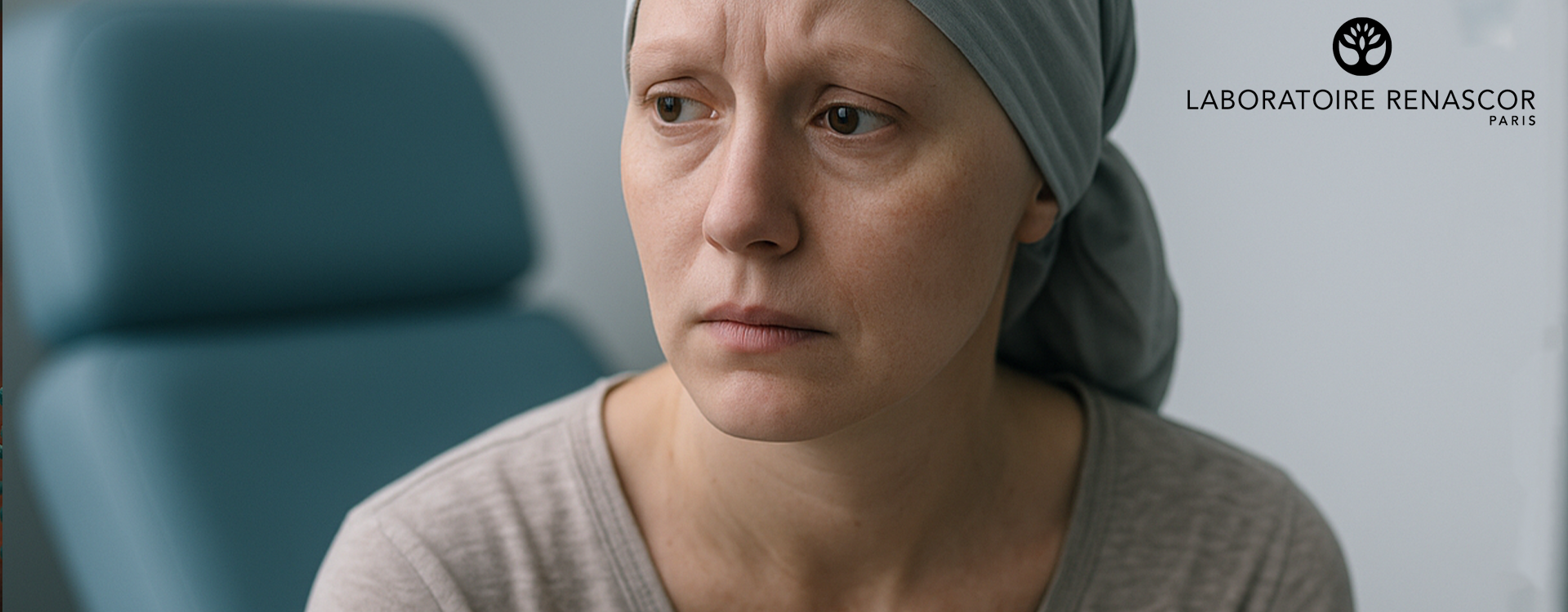
After certain medical treatments, notably in oncology, the body takes time to regain its metabolic balance. Even with an appropriate diet, the hair cycle can remain slowed and regrowth disorganized.
In these situations, nutrition lays the groundwork, while scalp support helps sustain the biological conditions necessary for a gradual and coherent hair reconstruction.
It is in this complementarity that RENASCOR Laboratory’s approach is framed, today recognized as a worldwide reference in post-treatment hair reconstruction.
Hydration and environment: often underestimated factors in winter
In winter, the sensation of thirst decreases while the body's water needs remain the same. Insufficient hydration can accentuate:
-
scalp dryness
-
hair fiber fragility
-
feelings of discomfort or itching
Maintaining regular hydration and adopting scalp-appropriate care helps limit these seasonal imbalances.
Conclusion: getting through winter by supporting the hair's natural cycle
Preserving hair health in winter requires a global, coherent approach that respects hair biology.
Nutrition plays a fundamental role in preparing the ground, but it cannot alone correct certain deep alterations of the hair cycle.
It is in the combination of nutrition, hydration and targeted scalp support that RENASCOR Laboratory’s philosophy is expressed, with expertise based on hair reconstruction and support for fragile scalps, notably after intensive treatments.
Understanding these interactions allows approaching winter not as an inevitable period of fragility, but as a phase of support and preparation for lasting hair renewal.