

Colorectal cancer: understanding, preventing and better supporting patients
Colorectal cancer, which includes cancers of the colon and rectum, is among the most common cancers in France. It affects women almost as much as men and ranks, by number of cases, just behind breast, prostate and lung cancers.
In 2023, the number of new cases diagnosed in France is estimated at nearly 47,600, with about 26,200 men and 21,400 women affected. The median age at diagnosis is around 71 years for men and 72 years for women.
Despite medical advances, around 17,000 deaths per year are still attributed to this cancer, making it one of the main causes of cancer mortality.
However, it is also a disease for which the chances of cure are high if it is detected early enough. Hence the importance of prevention and screening.
How does colorectal cancer develop?
Colorectal cancer most often develops slowly, over about ten years or more. It arises from the transformation of benign polyps, called adenomas, present on the mucosa that lines the inside of the colon and rectum. The majority of these polyps never become cancerous, but some progress gradually, undergoing mutations that lead to uncontrolled cell proliferation.
Several risk factors increase the likelihood of developing colorectal cancer:
-
Age: the risk increases sharply after age 50.
-
Genetic predispositions: certain hereditary conditions such as familial adenomatous polyposis or Lynch syndrome carry a much higher risk.
-
Chronic inflammatory bowel diseases: Crohn’s disease and ulcerative colitis, when present for many years, increase the risk of cancerous transformation.
-
Lifestyle: smoking, alcohol consumption, a diet high in red and processed meats, low fiber intake, overweight and physical inactivity.
What are the warning signs?
Colorectal cancer can develop silently for a long time, without any signs. This explains why it is sometimes discovered at an advanced stage. However, certain symptoms should prompt a rapid consultation:
-
The presence of blood in the stool, sometimes visible, sometimes detectable only by a test,
-
Persistent digestive problems such as unusual, prolonged diarrhea or constipation,
-
Repeated abdominal pain or a feeling of bloating,
-
The feeling of a lump in the abdomen,
-
Unexplained weight loss, associated with fatigue and loss of appetite.
These signs are not specific to colorectal cancer but should lead to a thorough medical examination.
Screening: an effective tool
Because colorectal cancer progresses slowly, there is a valuable window of opportunity to detect and treat it early. That is why France has set up a national screening program aimed at people aged 50 to 74 years.
The test offered is simple: it consists of looking for the presence of occult blood in the stool, invisible to the naked eye. This test should be carried out every two years. If the result is positive, a colonoscopy is performed to identify the source of the bleeding and, if necessary, immediately remove suspicious polyps before they progress.
This screening saves thousands of lives each year, because a cancer detected early is much more treatable than one discovered at an advanced stage.
How is colorectal cancer treated?
Treatment is tailored to each patient depending on the stage of the cancer, its location and the overall health status. Therapeutic decisions are always discussed in a multidisciplinary consultation meeting (RCP) among oncologists, surgeons, gastroenterologists and radiation oncologists.
-
Surgery remains the main treatment, particularly in early stages. It involves removing the affected part of the colon or rectum, sometimes with the creation of a stoma (bringing the colon to the skin) temporary or permanent.
-
Chemotherapy is used to reduce the risk of recurrence or to treat advanced forms.
-
Radiotherapy is mainly indicated for rectal cancers.
-
In some cases, a combination of treatments is implemented to maximize the chances of cure.
Alongside these specific treatments, patients also benefit from supportive care: physiotherapy, nutrition, pain management, psychological support, socio-aesthetics and social hairdressing. These services aim to improve comfort and quality of life during and after the care pathway.
Prevention: adopting a protective lifestyle
While screening is essential, prevention also involves daily lifestyle choices:
-
Engage in regular physical activity,
-
Maintain a healthy weight,
-
Limit the consumption of red meat, processed meats and processed foods,
-
Consume more fiber (fruits, vegetables, legumes, whole grains),
-
Reduce alcohol and quit smoking.
These simple measures not only reduce the risk of colorectal cancer, but also help prevent other chronic diseases.
After the disease: reconstruction with RENASCOR
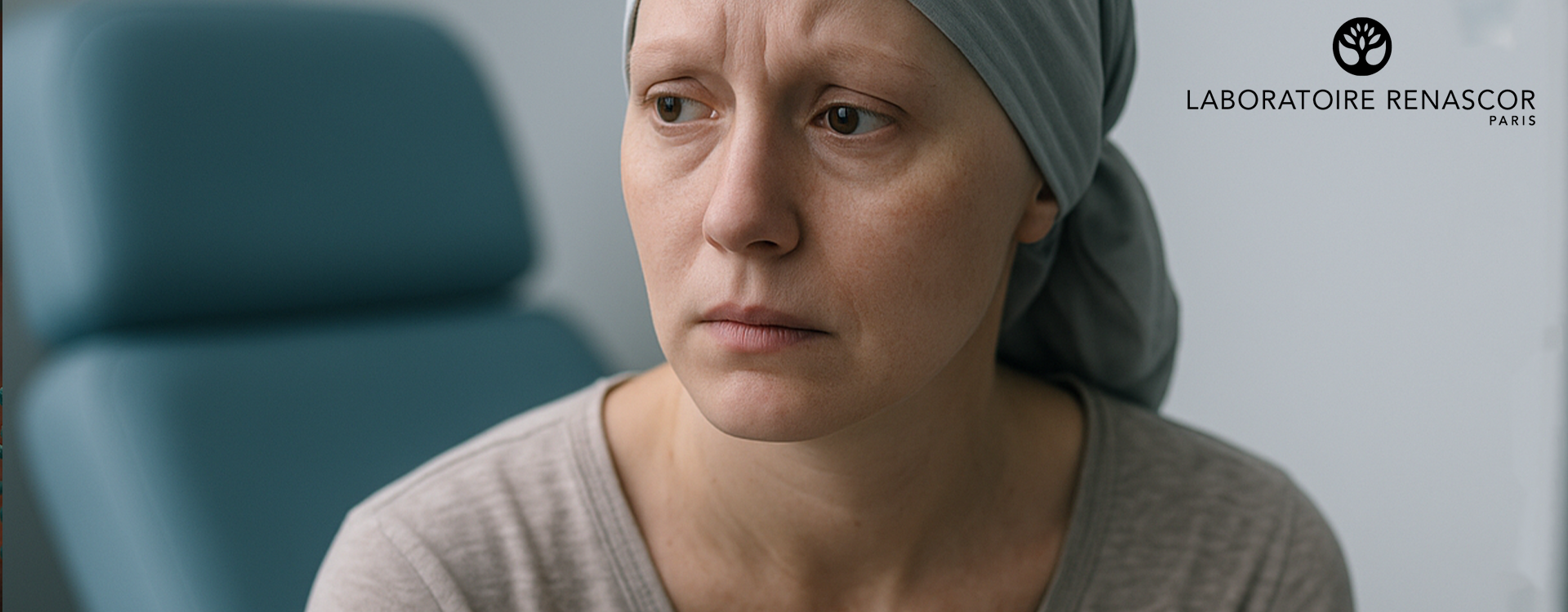
The fight against cancer does not end with the completion of treatments. Many patients must then reclaim their bodies and regain self-confidence. Hair loss due to chemotherapy remains one of the most painfully experienced side effects, as it directly affects self-image.
It is precisely at this stage that the Laboratoire RENASCOR steps in. A world specialist in post-cancer hair reconstruction, it offers unique solutions to support patients in their rebirth:
-
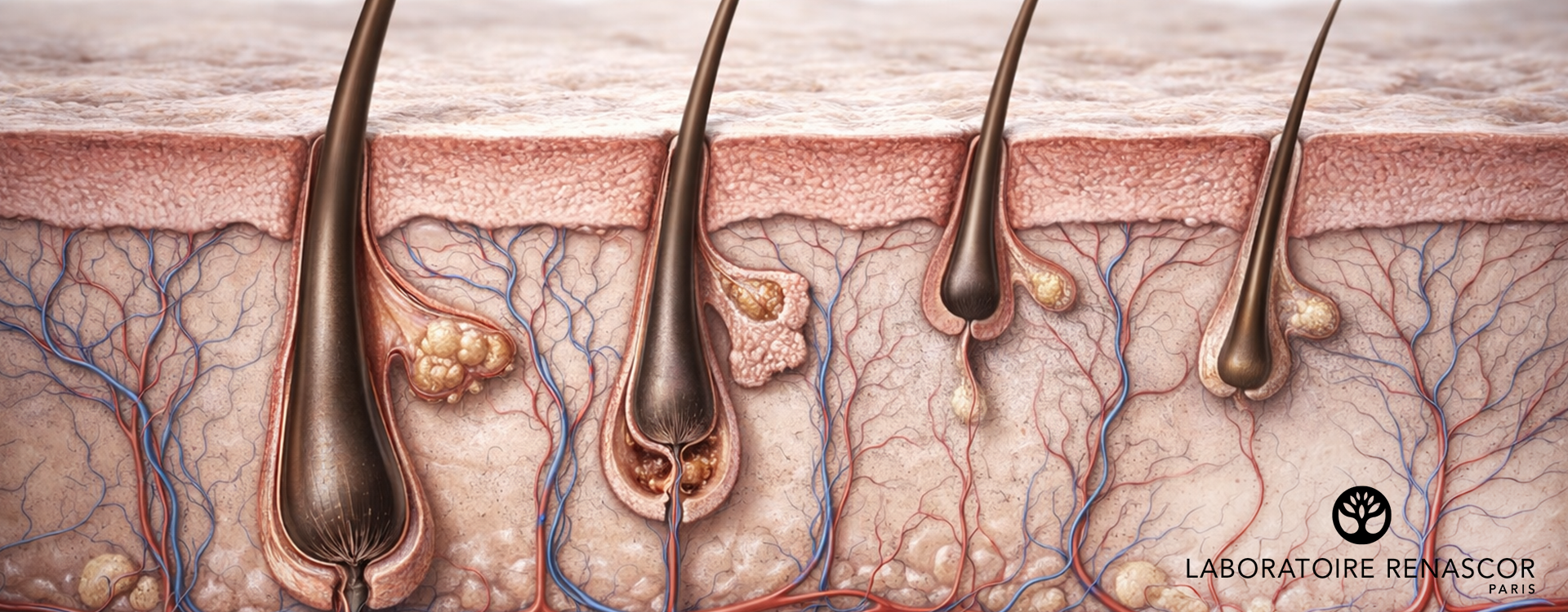
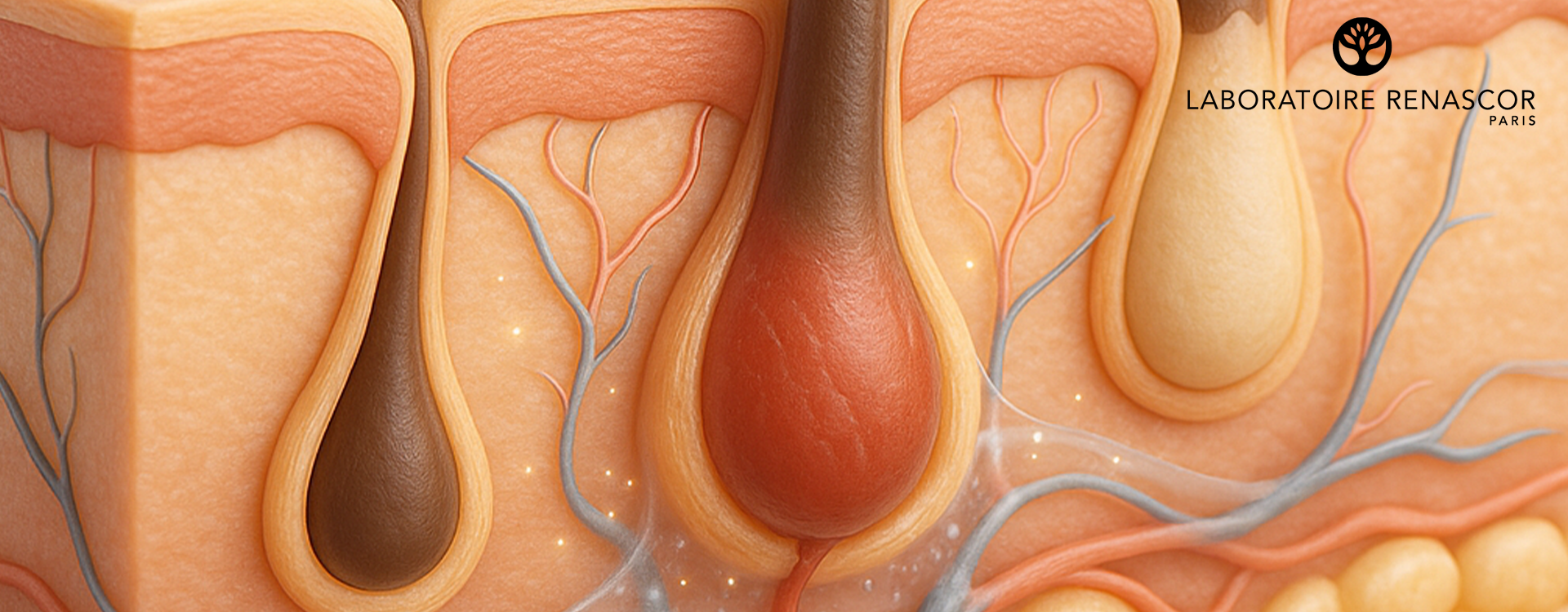
REDACTIV1®: a serum-gel specially formulated for smooth scalps, which stimulates microcirculation and reactivates dormant follicles.
-
REDACTIV2®: designed for the regrowth phase, it promotes hair density, vitality and the anchoring of the hair.
Beyond these treatments, RENASCOR works closely with socio-hairdressers and socio-beauticians who offer patients comprehensive support: personalized advice, aesthetic and human support, reconciliation with their image.
Key points
-
Colorectal cancer affects nearly 47,600 people each year in France, mostly after age 50.
-
Regular screening between ages 50 and 74 saves lives.
-
Treatments are effective, especially when initiated early.
-
Prevention involves a balanced diet, physical activity and reducing risk factors.
-
The Laboratoire RENASCOR is committed to supporting patients in hair reconstruction and self-esteem after treatments.
A preventive measure, timely screening, appropriate support: all actions that save lives.