


Childhood cancer: understand, prevent and support
Cancer in children is a disease that is increasingly treatable, especially in developed countries. But behind the encouraging statistics, each failure remains an irreparable tragedy for a family, a deep wound in the life of a child and their loved ones. No figure, however positive, erases the pain of a single broken smile.
That is why the fight against pediatric cancer is not measured only by survival rates, but also by hope, dignity and support.
According to the journal International Incidence of Childhood Cancer, around 300,000 children and adolescents aged 0 to 19 are diagnosed with cancer each year worldwide. The most common cancers are leukemias, cancers of the lymphatic system and brain tumors.
While in wealthy countries cure rates exceed 80%, they fall to 20% in low-resource countries, where the lack of screening and appropriate treatments leads to thousands of preventable deaths.
The crucial role of early diagnosis
The causes of childhood cancers remain poorly understood. Researchers agree on distinguishing :
-
genetic factors, still impossible to avoid,
-
and environmental factors, on which parental vigilance can act (balanced diet, reducing pollution, healthy lifestyle).
In many countries, the difference between life and death comes down to a single word: screening.
A timely, accurate and supported diagnosis allows targeting the right therapy and greatly increases the chances of survival, regardless of the child's age.
Screening, therapy and support: an inseparable chain
Scientific advances now offer effective tools against many pediatric cancers :
-
chemotherapy,
-
surgery,
-
radiotherapy,
sometimes combined with innovative treatments such as immunotherapy.
But in poor countries, children do not have access to them. Due to lack of financial resources, medical infrastructure or training of healthcare workers, many do not receive the care that could save them.
Even in developed countries, going through cancer remains a traumatic ordeal: hospitalizations, pain, fatigue, physical changes... These upheavals require more than medication: they call for comprehensive human support.
Life after cancer: rebuilding
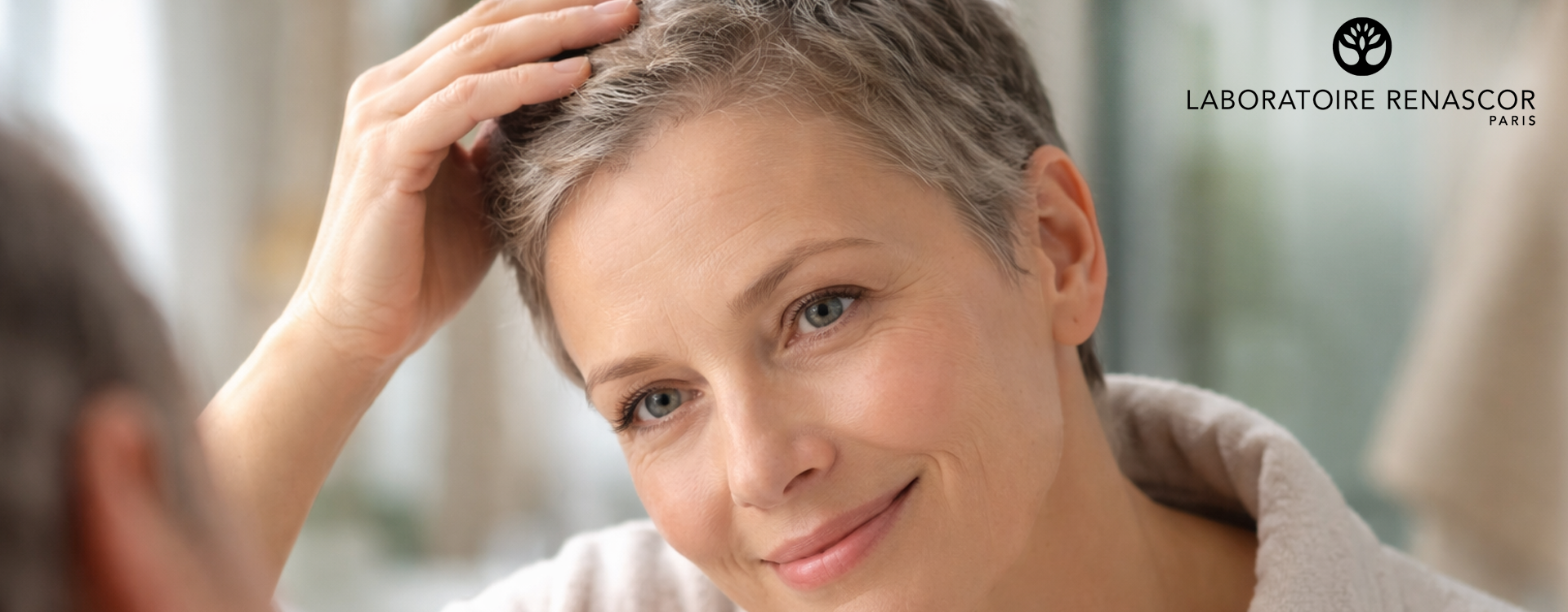
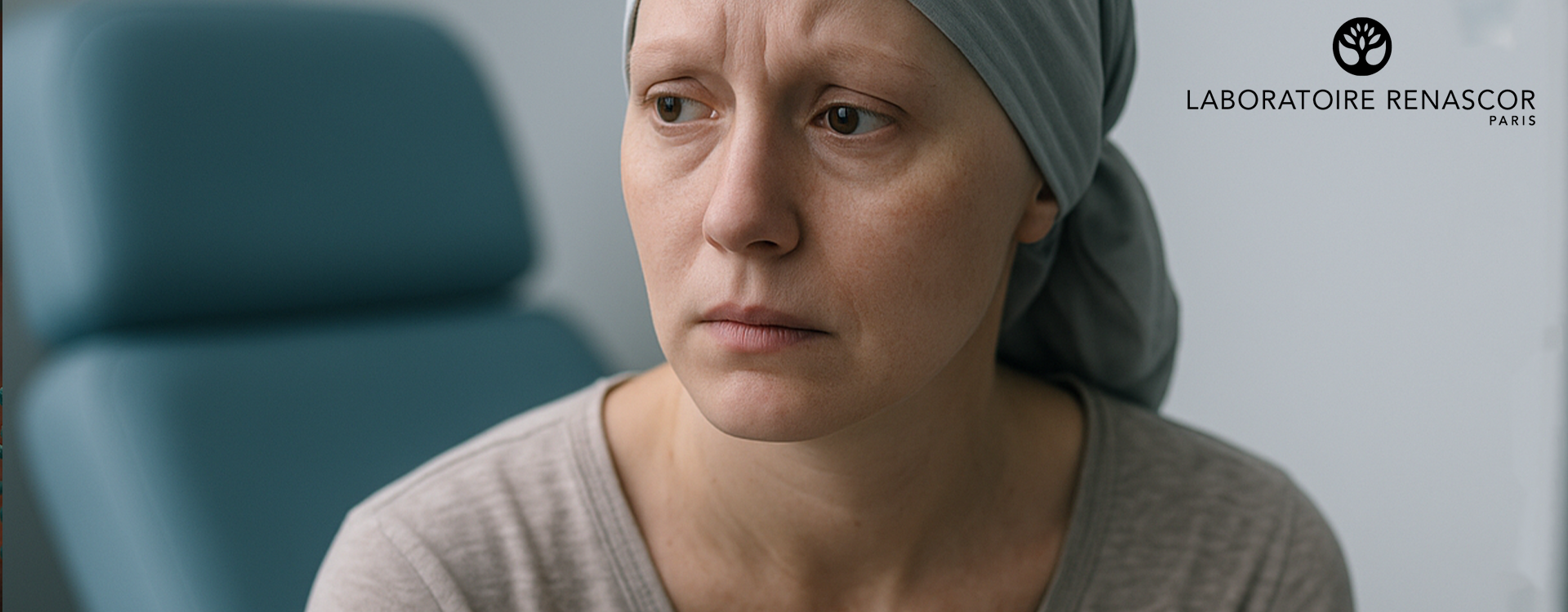
For a child, recovery does not only mean that the disease has receded. It also means regaining energy, joy and a carefree spirit. Yet sequelae exist: persistent fatigue, emotional fragility, and hair loss, experienced as an identity ordeal.
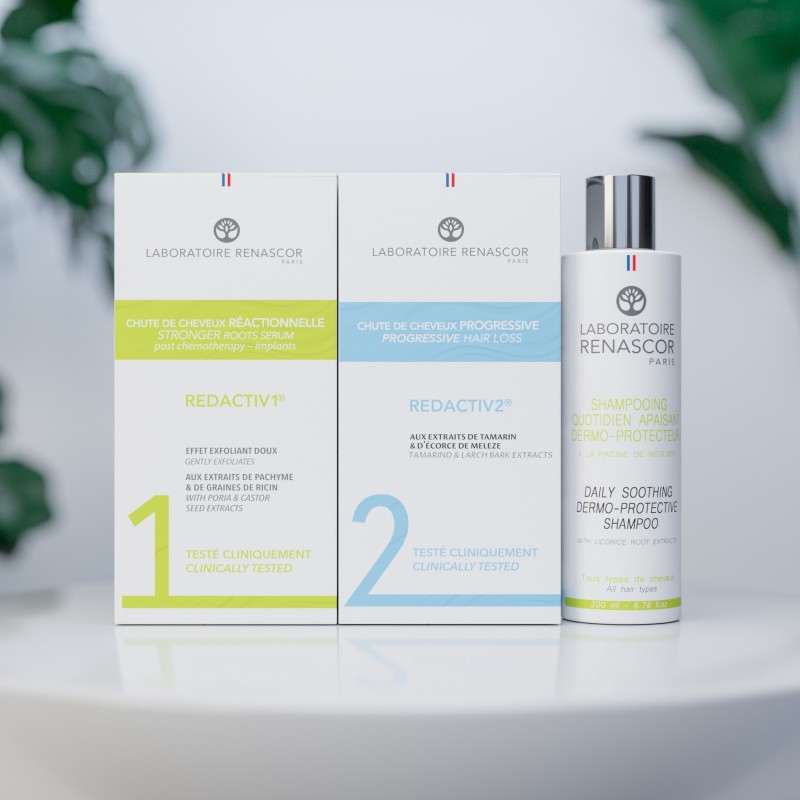
The RENASCOR Laboratory, a world expert in post-oncological hair reconstruction, also supports children. Our care protocols (REDACTIV1 and REDACTIV2) were designed to :
-
promote scalp healing,
-
stimulate denser and longer-lasting regrowth,
-
restore the child's confidence in their reflection and in their future.
This support is part of a broader approach: that of the rebirth after the ordeal, with the support of socio-beauticians and socio-hairdressers trained to ease this transition.
Conclusion: beyond recovery, restoring childhood
Childhood cancer is not only a medical challenge: it is a human struggle. Behind every statistic hides a first name, a story, a family.
To cure a child is to give them back their future. But supporting them also gives them back their present, their smile, their right to be carefree.
This is the whole meaning of our mission: to put science and care at the service of life, and to remind that, in this fight, medicine heals… but love and presence also save.