


Nutrition & Chemotherapy: understanding what can really help
During chemotherapy, the body is put under great strain. Fatigue, loss of appetite, nausea and weight changes often make eating difficult... while it plays a vital role in the body's ability to tolerate treatment and to recover.
The goal is not to 'cure oneself with food', but to support the body, to limit certain side effects and to preserve the necessary energy to better get through this period.
1. Why does nutrition become a central issue during chemotherapy?
Illness and treatments can lead to:
-
a decrease in appetite,
-
a change in taste,
-
loss of muscle mass,
-
reduced energy reserves,
-
a more fragile overall condition.
When the body lacks nutrients, it becomes harder to tolerate treatments, fatigue increases and recovery is slower.
The most important thing: maintain balanced eating habits for as long as possible.
Even if appetite is inconsistent, every small improvement matters.
2. Maintaining good overall condition: a key factor to better tolerate treatments
Malnutrition is common in cancer patients and can:
-
reduce the effectiveness of treatments,
-
increase side effects,
-
decrease quality of life.
Hence the importance of:
-
getting enough calories,
-
preserving protein intake,
-
maintaining an overall balanced diet.
This is not a 'special diet', but a way of supporting the body so it can better cope.
3. Should you favor organic food?
An organic diet can have benefits, notably in reducing exposure to pesticides and additives.
Some observational studies show a possible link between regular consumption of organic products and a lower risk of developing certain cancers, without demonstrating a direct effect.
In other words:
Eating organic is not a treatment,
but it can reduce exposure to certain substances and encourage a more natural diet.
4. Foods particularly beneficial during chemotherapy
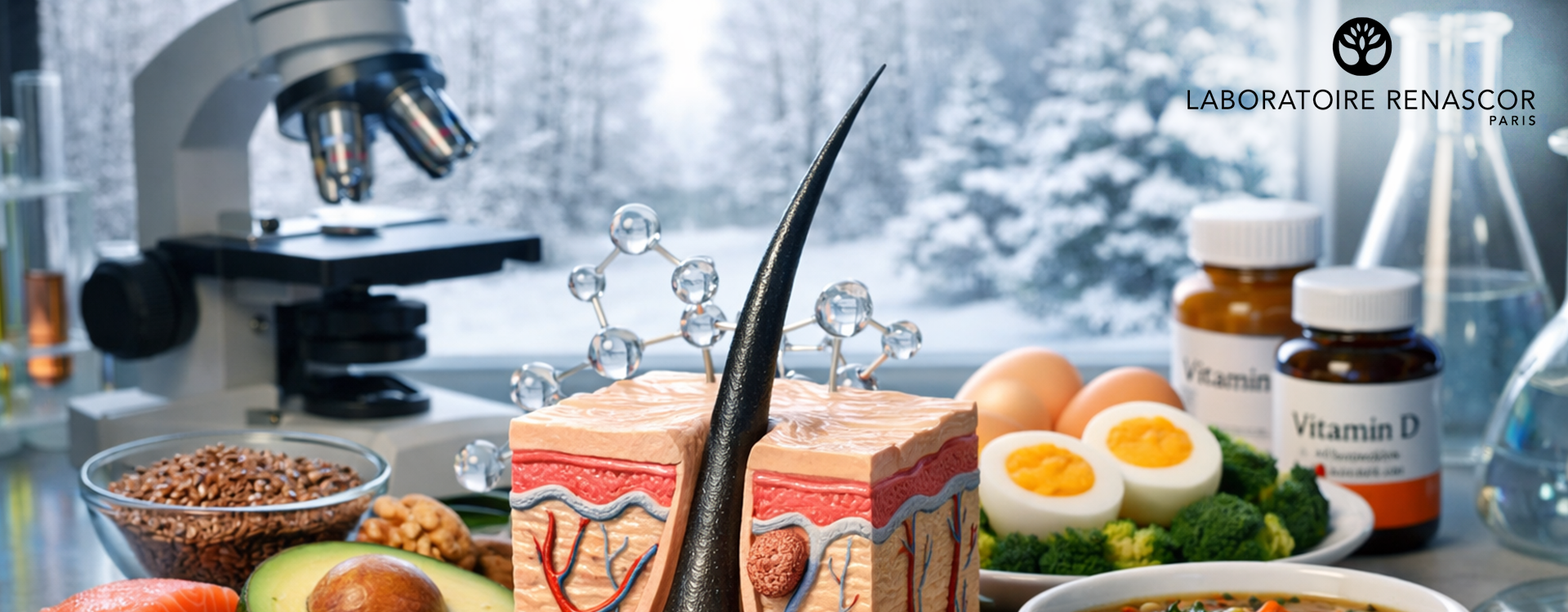
Some foods are rich in fiber, antioxidants, vitamins and minerals that naturally support the body:
✔ Vegetables and fruits (7 to 10 servings per day if possible)
Hydration, fiber, vitamins and essential micronutrients.
✔ Highly nutritious foods
Without considering them 'miraculous', some plant foods have an interesting nutritional density:
-
broccoli,
-
spinach,
-
berries (blueberries, raspberries, goji berries),
-
chia or flax seeds,
-
tomatoes.
✔ Proteins
Essential for maintaining muscle mass: fish, eggs, legumes, tofu, poultry…
✔ Whole starchy foods
To maintain energy.
5. Nutrition is not a treatment… but it supports the body during treatment
It is essential to remember:
❌ Nutrition does not cure cancer.
✔ But it can help better tolerate chemotherapy.
A complete and adapted diet can help to:
-
limit fatigue,
-
better control weight,
-
reduce certain side effects,
-
improve digestive comfort,
-
strengthen the body overall.
It can even promote better quality of hair regrowth after treatment, because a better-nourished body rebuilds skin, nails and hair more efficiently.
6. How to adapt your diet when undergoing treatment?
The most important principles:
-
Reduce simple sugars and saturated fats
-
Increase dietary fiber
-
Consume more fruits and vegetables
-
Limit red meat and processed meats
-
Reduce alcohol and tobacco
These recommendations never replace the advice of an oncologist or a specialized dietitian, but they provide a simple foundation to support the body.
7. Why does weight play a role in cancer?
Neither excessive weight gain nor significant weight loss is desirable.
Excess adipose tissue — particularly abdominal fat — can disrupt certain hormones and increase inflammation. Conversely, too much muscle loss weakens the patient.
The goal is to maintain a stable, functional weight.
FAQ – Nutrition and Chemotherapy
1. Can you eat normally during chemotherapy?
Yes, but appetite fluctuates a lot. The important thing is not to 'eat a lot', but to eat regularly, even in small amounts, to maintain energy and avoid muscle loss.
2. Which foods are hardest to digest during treatment?
Very fatty, very sugary, fried or spicy foods are often poorly tolerated. Strong smells can also trigger nausea. Simple, easy-to-digest meals are generally better tolerated.
3. Are dietary supplements useful during chemotherapy?
They can be useful only if a healthcare professional recommends them. Some supplements are contraindicated during treatment: you should never self-supplement.
4. Can you lose or gain weight because of chemotherapy?
Yes, both are possible. Some treatments reduce appetite, others cause water retention or food cravings. The goal is to maintain a stable weight, not to follow a diet.
5. Does nutrition influence hair regrowth after treatment?
Indirectly, yes. A diet sufficient in protein, vitamins and minerals helps the body rebuild tissues. This does not trigger regrowth, but improves the quality of what regrows.
In conclusion
During chemotherapy, eating well is not optional: it is an essential support. Nutrition does not treat the disease, but it profoundly influences strength, energy, recovery, treatment tolerance and quality of life.
Eating well is taking care of yourself during a complex period — a daily act that really makes a difference.