


Cancer and Sun: Precautions, Risks, and Essential Advice<\/h2>\n
The sun is both an ally and an enemy. An essential source of vitamin D and good mood, it can also become dangerous when not approached correctly. For people with cancer or in remission, the relationship with the sun deserves special attention. Treatments weaken the skin, scalp, and body, which changes the way sun exposure should be considered.<\/p>\n
The Role of the Sun in Health<\/h3>\n
In small doses, the sun plays an essential role:<\/p>\n
- \n
- \n
Vitamin D Production<\/strong>, which supports immunity and bone strength.<\/p>\n<\/li>\n
- \n
Mood Improvement<\/strong>, thanks to increased serotonin.<\/p>\n<\/li>\n
- \n
Regulation of Biological Rhythm<\/strong>, by synchronizing the internal clock.<\/p>\n<\/li>\n<\/ul>\n
These benefits explain why many naturally seek the warmth and light of the sun. But for cancer patients, the benefits must be carefully weighed against the risks.<\/p>\n
Cancer and Sun Exposure: What Risks?<\/h3>\n
The sun is the leading cause of skin cancers<\/strong>: basal cell carcinomas, squamous cell carcinomas, and especially melanoma. For a person weakened by illness, sun exposure is even riskier.<\/p>\n
- \n
- \n
Oncological Treatments<\/strong>: some medications, particularly in chemotherapy or hormone therapy, cause photosensitization<\/strong>. The skin reacts violently to UV rays, even after very short exposure.<\/p>\n<\/li>\n
- \n
Radiotherapy<\/strong>: the irradiated area remains fragile for life. Direct sun exposure can lead to burns, pigmentation spots, or irreversible lesions.<\/p>\n<\/li>\n
- \n
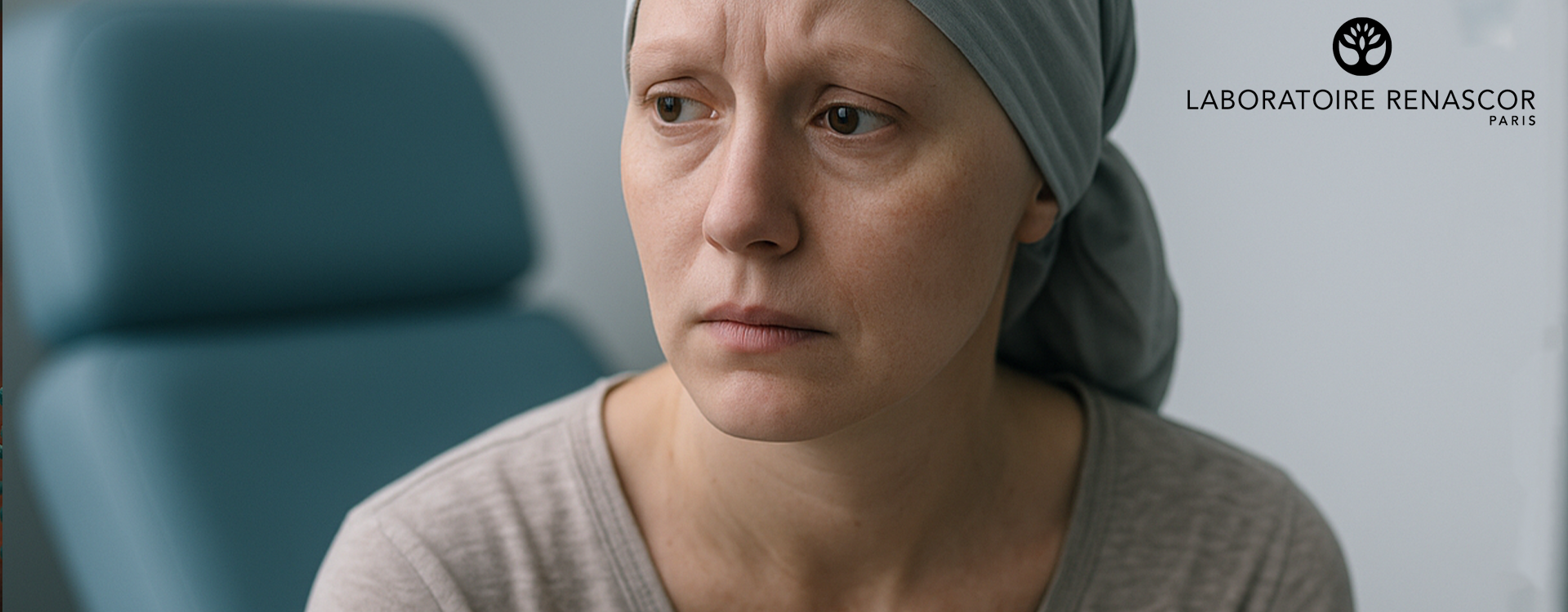
Scalp<\/strong>: after hair loss due to chemotherapy, the scalp is directly exposed to UV rays and can burn in just a few minutes.<\/p>\n<\/li>\n<\/ul>\n
Patients Under Treatment: Increased Vigilance<\/h3>\n
During cancer treatments, sun exposure must be strictly controlled<\/strong>:<\/p>\n
- \n
- \n
The skin is extremely sensitive and can suffer severe burns.<\/p>\n<\/li>\n
- \n
Surgical scars can permanently pigment under the sun's effect.<\/p>\n<\/li>\n
- \n
Some medications increase skin reactivity and accelerate premature aging of exposed skin.<\/p>\n<\/li>\n<\/ul>\n
In practice, oncologists often advise avoiding any direct exposure<\/strong> during treatment and in the weeks that follow.<\/p>\n
After Cancer: Can One Enjoy the Sun?<\/h3>\n
Remission does not mean that all precautions are lifted. It is possible to enjoy the sun, but under certain conditions:<\/p>\n
- \n
- \n
Gradual Resumption<\/strong>: avoid long exposures and favor short outings, outside of the hottest hours.<\/p>\n<\/li>\n
- \n
Maximum Protection<\/strong>: sunscreen SPF 50+, reapplied every two hours.<\/p>\n<\/li>\n
- \n
Dermatological Monitoring<\/strong>: any mole, spot, or suspicious lesion should be examined by a doctor.<\/p>\n<\/li>\n<\/ul>\n
The sun remains beneficial when consumed in moderation and with intelligence, but it must be closely monitored after cancer.<\/p>\n
Hair, Scalp, and Sun After Cancer<\/h3>\n
The scalp is a particularly vulnerable area. After chemotherapy, regrowth is gradual, and the skin of the skull remains fragile for a long time.<\/p>\n
- \n
- \n
Without protection, sunburn<\/strong> is almost immediate.<\/p>\n<\/li>\n
- \n
The weakened scalp needs appropriate care<\/strong> to restore its barrier function.<\/p>\n<\/li>\n
- \n
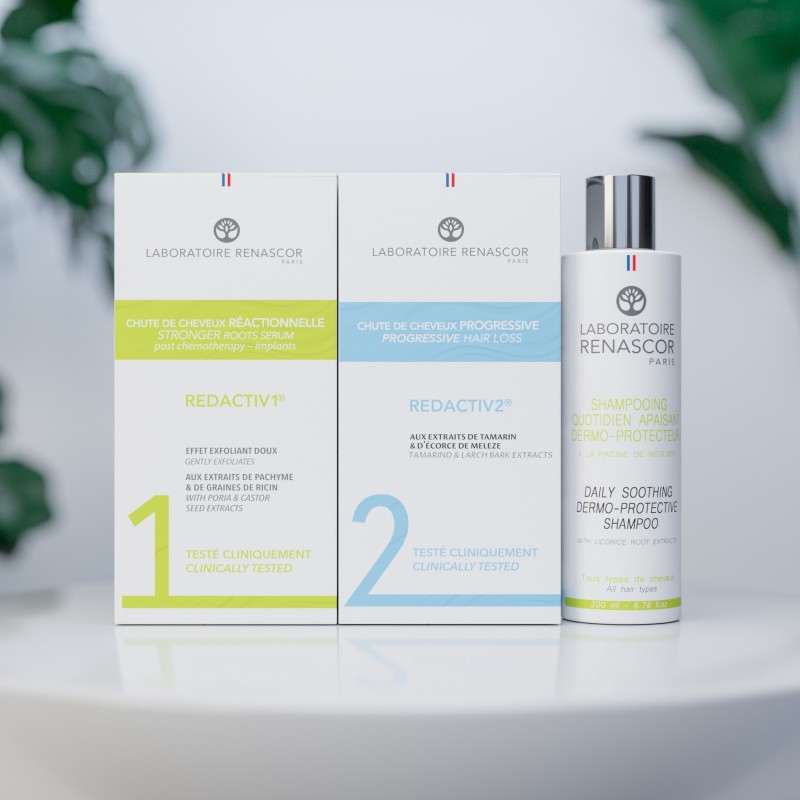
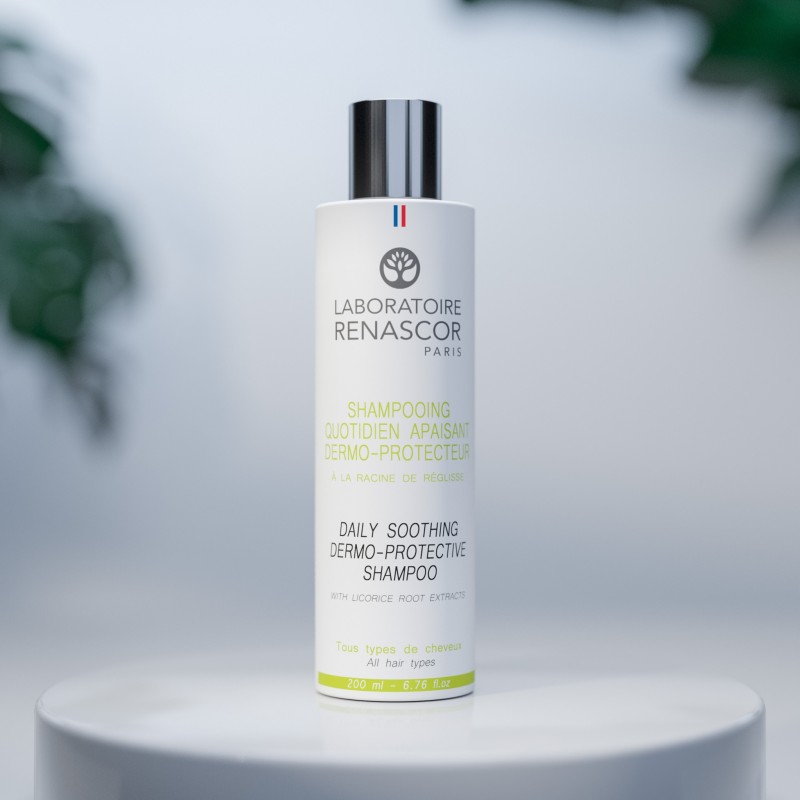
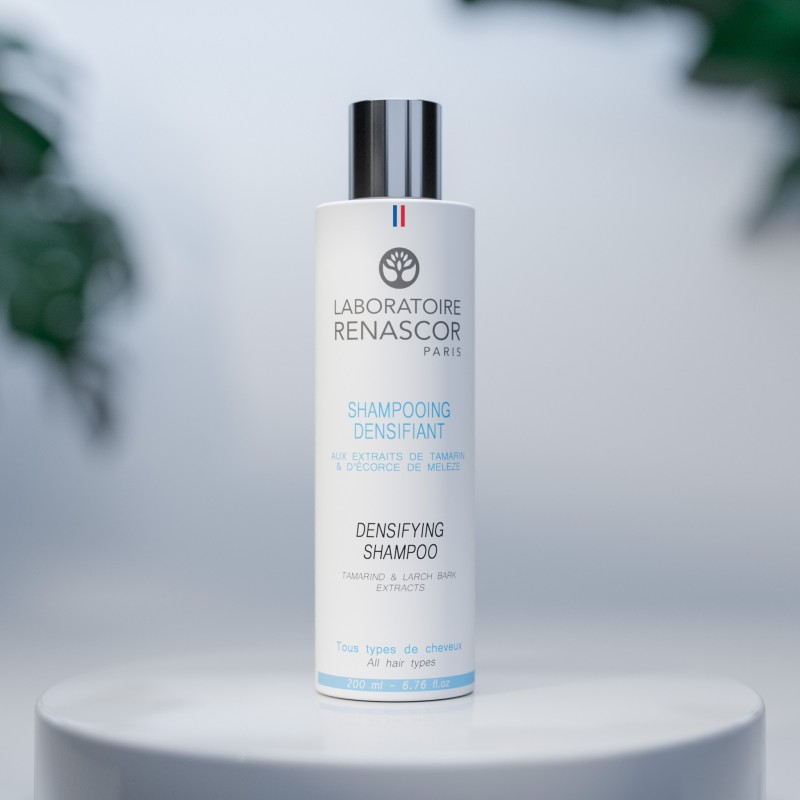
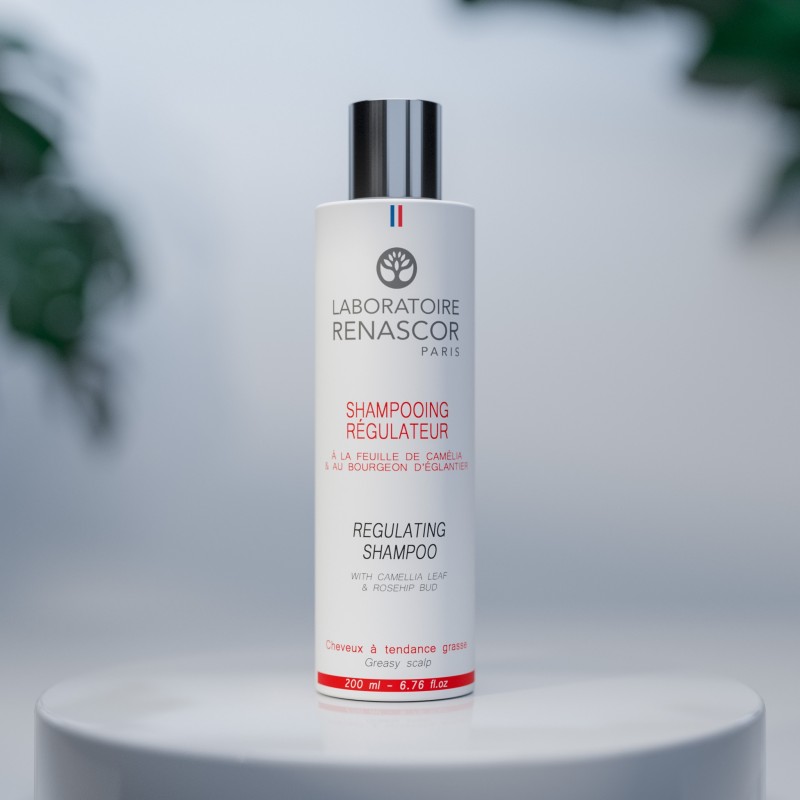
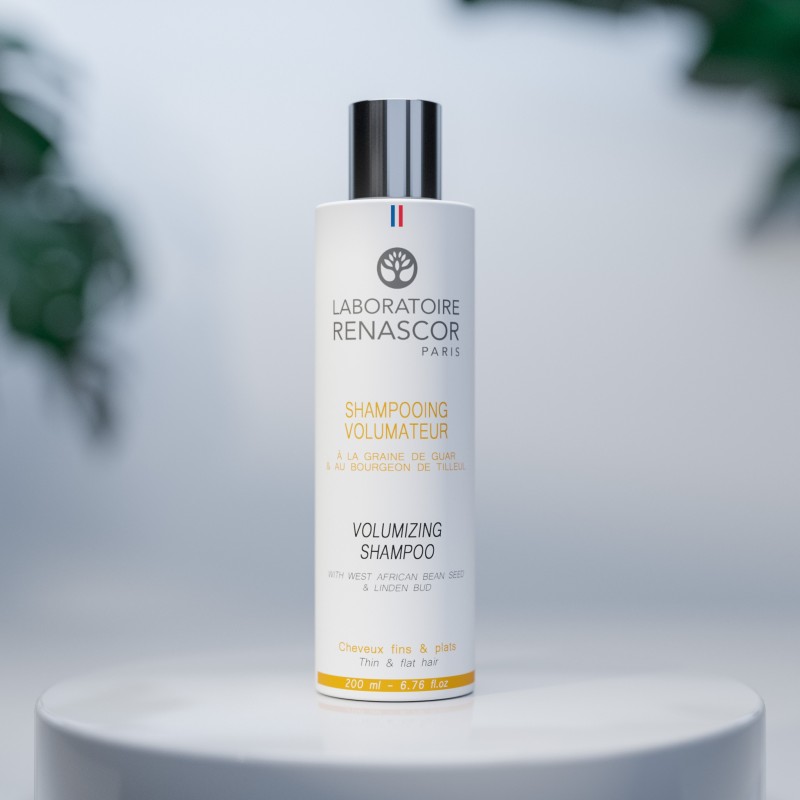
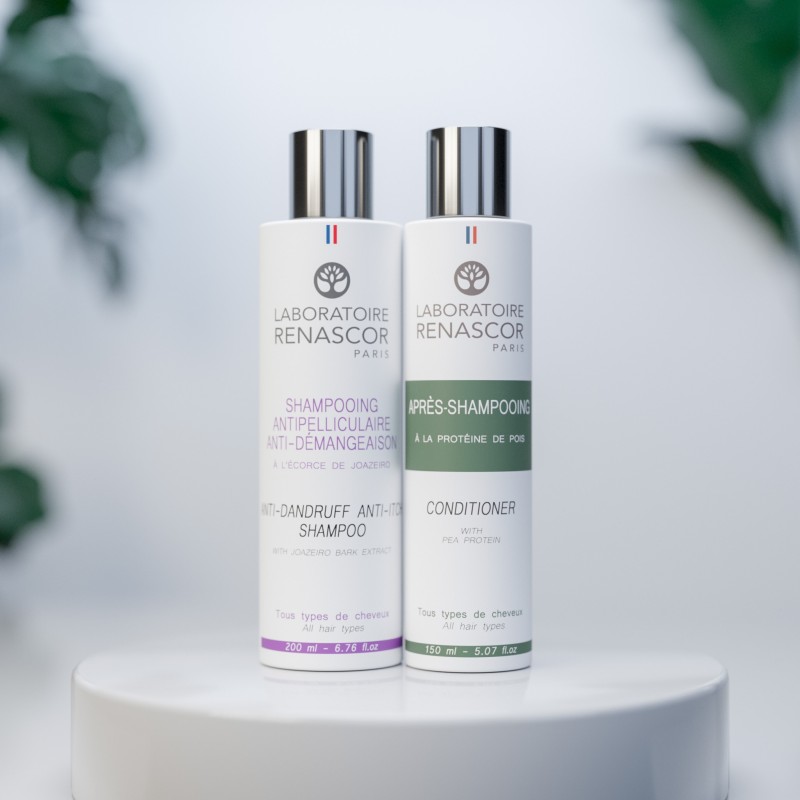
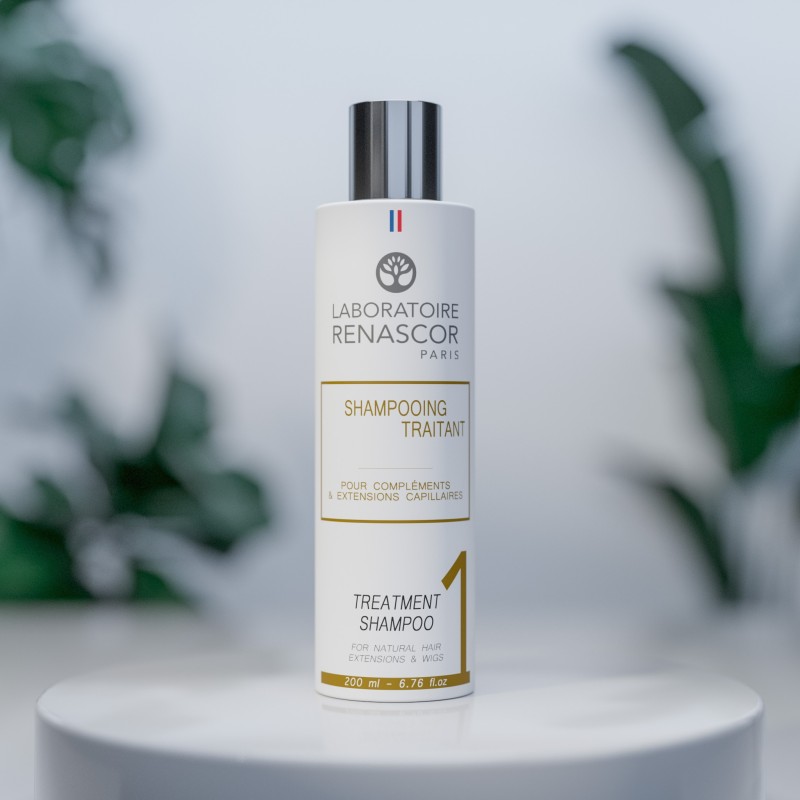
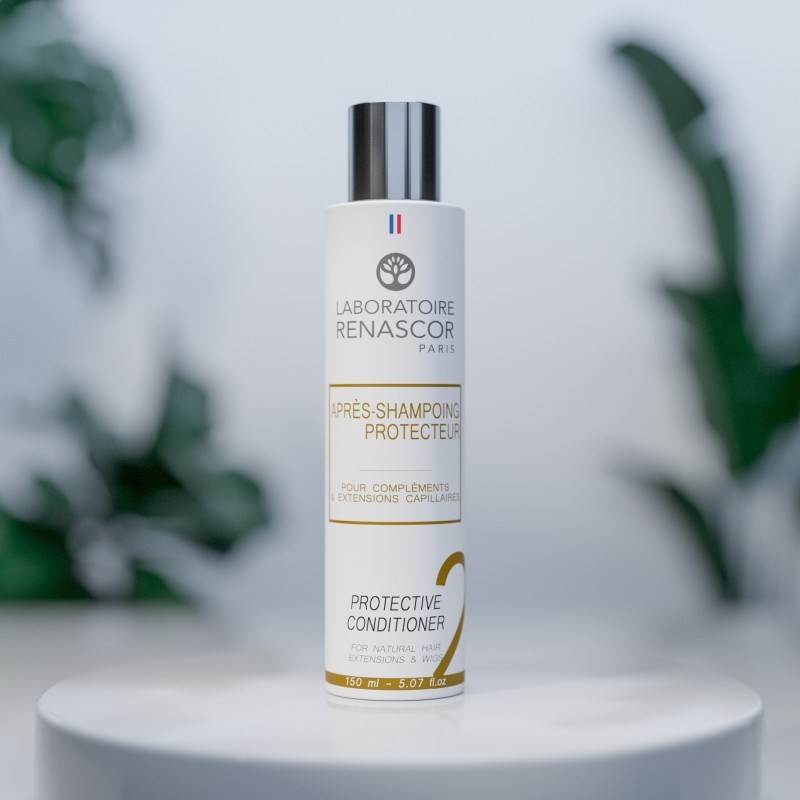
The hair care products from Laboratoire RENASCOR<\/strong> support this delicate stage, promoting regeneration and protecting the scalp from external aggressions, except for the sun.<\/p>\n<\/li>\n<\/ul>\n
Practical Advice for Safe Exposure<\/h3>\n
To limit risks, a few simple but essential rules:<\/p>\n
- \n
- \n
Expose yourself before 11 AM or after 5 PM<\/strong>.<\/p>\n<\/li>\n
- \n
Use a sunscreen SPF 50+<\/strong>, even on cloudy days.<\/p>\n<\/li>\n
- \n
Wear a hat, scarf, or cap<\/strong> to protect the scalp.<\/p>\n<\/li>\n
- \n
Drink enough water to avoid dehydration.<\/p>\n<\/li>\n
- \n
Consult a dermatologist regularly, especially if the skin shows fragile or abnormal areas.<\/p>\n<\/li>\n<\/ul>\n
Conclusion<\/h2>\n
The sun is not forbidden for people affected by cancer, but it must be approached with caution. The skin, hair, and scalp remain fragile for a long time and require increased attention. With the right actions, everyone can continue to enjoy the light and benefits of the sun while limiting dangers.<\/p>\n
Laboratoire RENASCOR<\/strong>, a global expert in post-cancer hair reconstruction, supports patients in this stage, helping them regain confidence, vitality, and daily protection.<\/p>\n
<\/p>
- \n
- \n
- \n
- \n
- \n
- \n