


Working during cancer: between necessity and personal reconstruction
A challenge both physical and psychological
Receiving a cancer diagnosis disrupts life. Beyond medical treatment, the question of work quickly arises.
Should one continue working? How to reconcile fatigue, side effects and an active life?
Each situation is unique, but one constant remains: work, far from being merely a constraint, can also play a therapeutic role in personal reconstruction.
The benefits of maintaining professional activity
Continuing to work during cancer is not always possible, but when it is, the benefits are multiple and go far beyond the professional sphere:
-
Maintain a structured routine: illness often imposes medical appointments, heavy treatments and a loss of reference points. Work, even part-time, helps maintain a daily rhythm and avoid isolation.
-
Preserve social connections: keeping in touch with colleagues, clients or partners offers a sphere of life where one is not perceived solely as “sick”. This helps maintain a balanced professional and social identity.
-
Strengthen self-esteem: continuing one’s professional role, even in an adapted way, affirms the person. It demonstrates to oneself and others that despite treatments, it is still possible to be active, useful and recognized.
-
Maintain financial independence: beyond psychological well-being, work provides economic stability, essential to get through a period where medical expenses may increase.
-
Look ahead to life after cancer: staying connected to the world of work helps avoid too abrupt a break and facilitates the return to full professional life once treatments are over.
Thus, work sometimes becomes a form of invisible therapy: a way to fight the feeling of loss of control by keeping an active role in society.
Challenges encountered
Despite these advantages, it would be unrealistic to deny the difficulties related to maintaining activity during oncological treatment:
-
Chronic and unpredictable fatigue: chemotherapy, radiotherapy or immunotherapy often cause intense exhaustion, which does not always disappear with rest. This fatigue can make concentration, travel or even simple daily tasks difficult.
-
Physical side effects: nausea, joint pain, digestive disorders, dry skin, loss or change of hair… All these effects directly impact quality of life at work.
-
Cognitive problems: some treatments can cause what is commonly called “chemo brain”: decreased memory, difficulty concentrating, slowed thinking. These phenomena undermine confidence and effectiveness in a professional setting.
-
Change in body image: hair loss, scars or weight gain/loss change appearance and complicate relationships with others. Colleagues' looks, sometimes well-meaning but awkward, can intensify a feeling of fragility.
-
Medical constraints: regular appointments, hospitalizations, delayed treatment effects… These obligations create recurring absences that are difficult to reconcile with the demands of a job.
-
Lack of workplace adaptation: not all employers have the same ability to adjust schedules, workload or working conditions. Some people face implicit pressure, or even a lack of understanding from their management.
These obstacles remind us of the importance of a comprehensive support: medical, psychological and social support… but also concrete solutions to restore self-image.
Regaining hair to reclaim one’s place in society
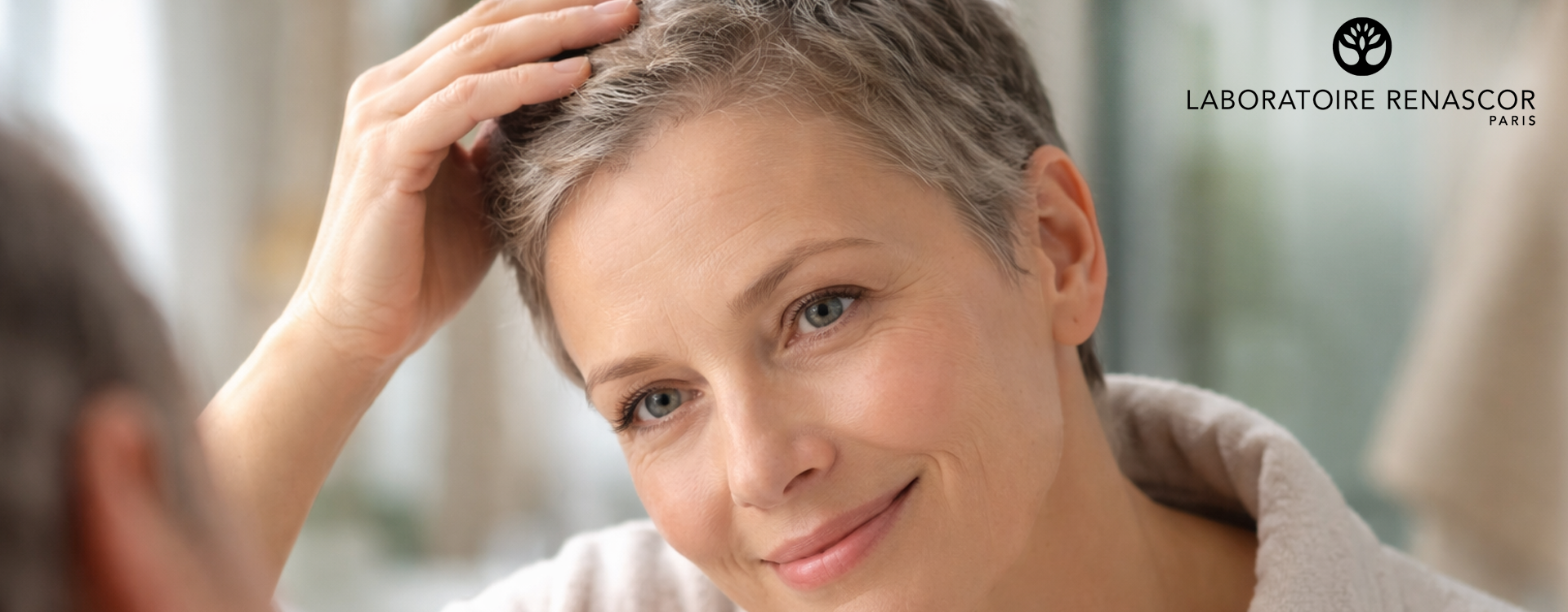
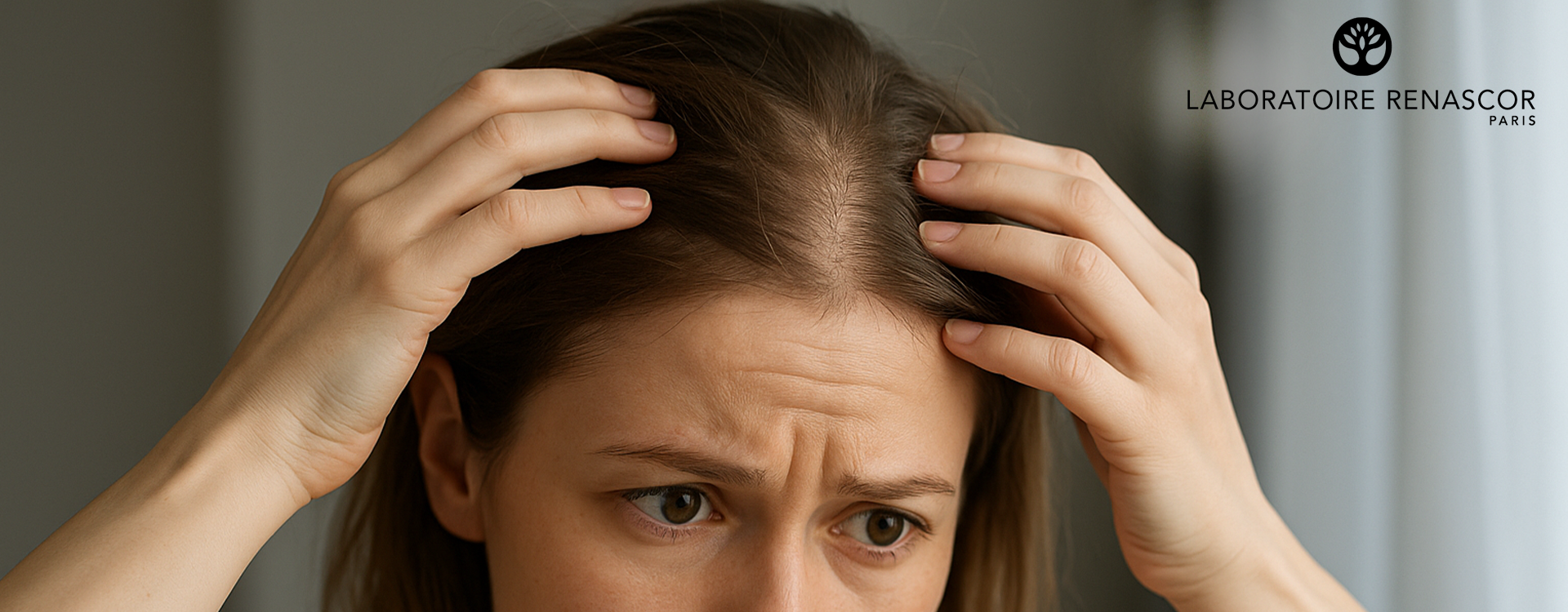
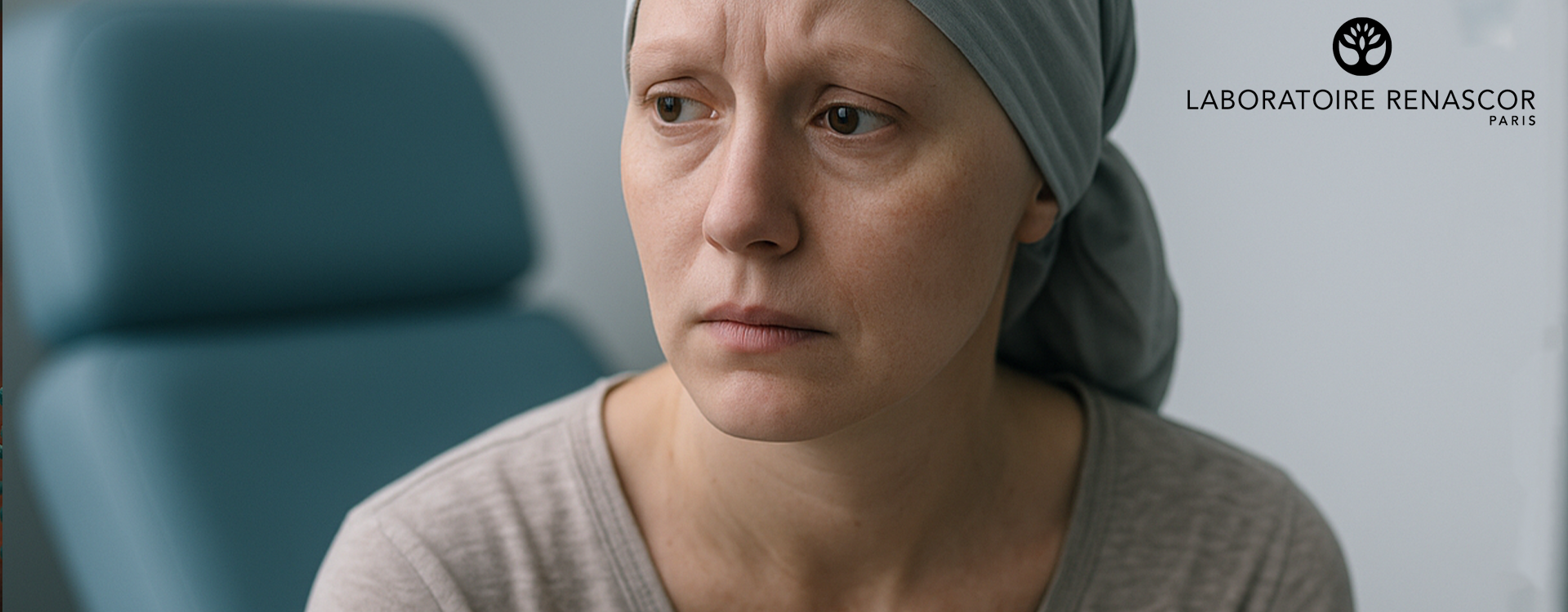
Hair loss is often one of the most visible and hardest-to-live-through side effects. It deeply changes self-image and signals to others that one is ill. In a professional context, this visibility can become an additional barrier:
-
A social stigma: the absence of hair constantly reminds of the illness, sometimes even when the person wishes to move on.
-
A barrier to returning to work: many patients fear seeing their colleagues or clients until their hair has grown back, for fear of being perceived only through the prism of cancer.
-
A matter of confidence: regaining one's hair is also regaining femininity, masculinity, confidence — essential assets to assert oneself again in the professional world.
-
A key to reintegration into the group: in a society where appearance plays a strong role, being able to present oneself with natural hair again makes it easier to reclaim a place within the company and social life.
Thus, rapid hair regrowth is not an aesthetic detail: it is a determining factor in facilitating the return to active life and social reintegration.
The role of the RENASCOR Laboratory
At the RENASCOR Laboratory, we know that the aesthetic and identity dimension occupies an essential part of this journey.
-
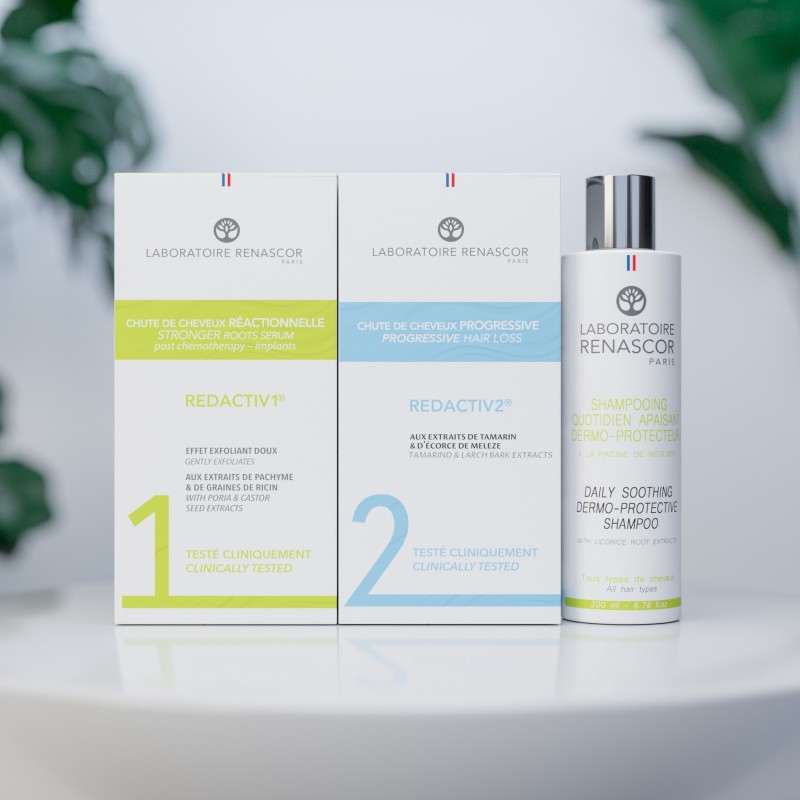
Our post-chemotherapy hair protocols (REDACTIV1 and REDACTIV2) enable patients to regain their hair more quickly, and thus preserve their image in a professional context.
-
In collaboration with socio-estheticians, we provide concrete support to accompany the hair and psychological reconstruction.
-
Because working during cancer is not only about performing, it’s also about remaining oneself despite the illness.
Finding a new balance
This is not about denying the difficulties, but finding a balance between self-care and professional life. For some, continuing to work is obvious. For others, a break is necessary. In all cases, the essential thing is to respect one’s limits and rely on existing measures.
With increasingly early screening solutions and hair reconstruction protocols like those from the RENASCOR Laboratory, it becomes possible not only to survive cancer, but also to fully regain one’s place in society and at work.