

Why does hair change after chemotherapy?
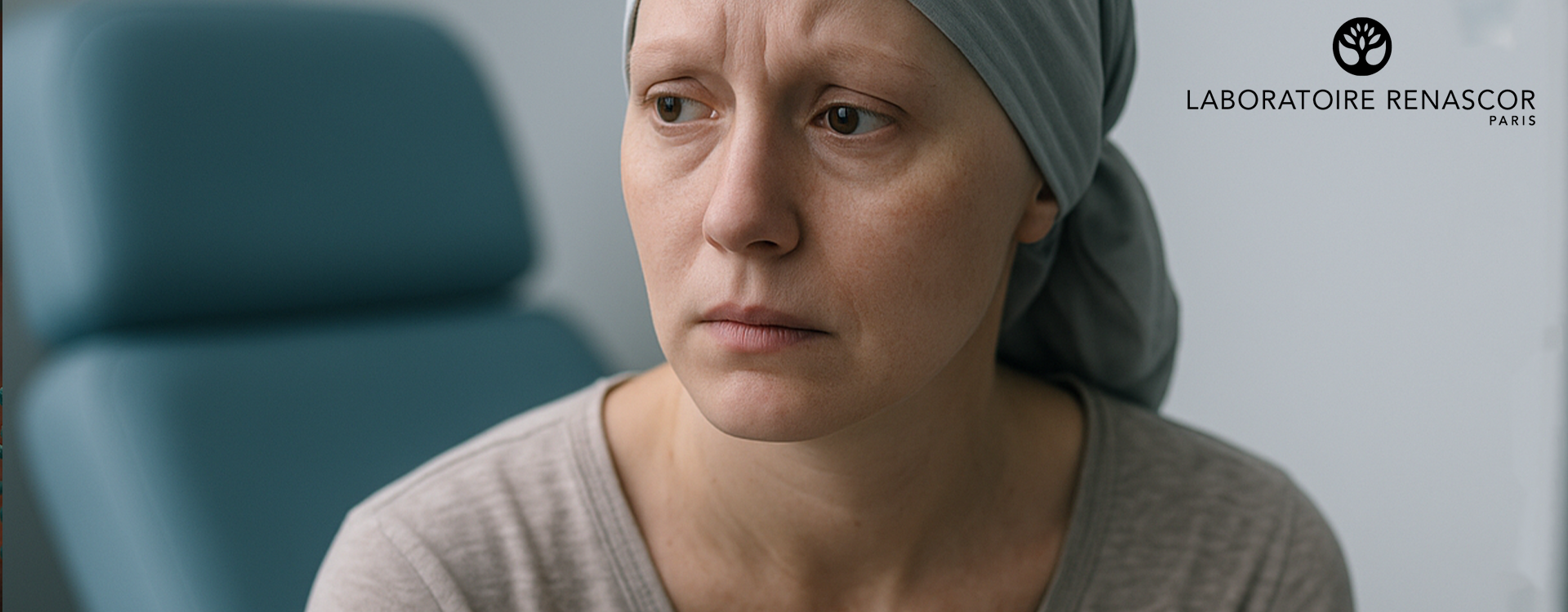
After chemotherapy, hair regrowth is a highly anticipated stage.
However, it does not always happen as before: in 2% of cases, hair does not regrow, only 13% experience perfect regrowth, and the vast majority experience unsatisfactory regrowth – thinner, more sparse, or less dense hair.
These realities, often little known, can be a cause for concern. It is precisely here that the RENASCOR Laboratory, a world expert in the post-oncological hair reconstruction, steps in to transform this unpredictable stage into a true rebirth.
The impact of chemotherapy on hair
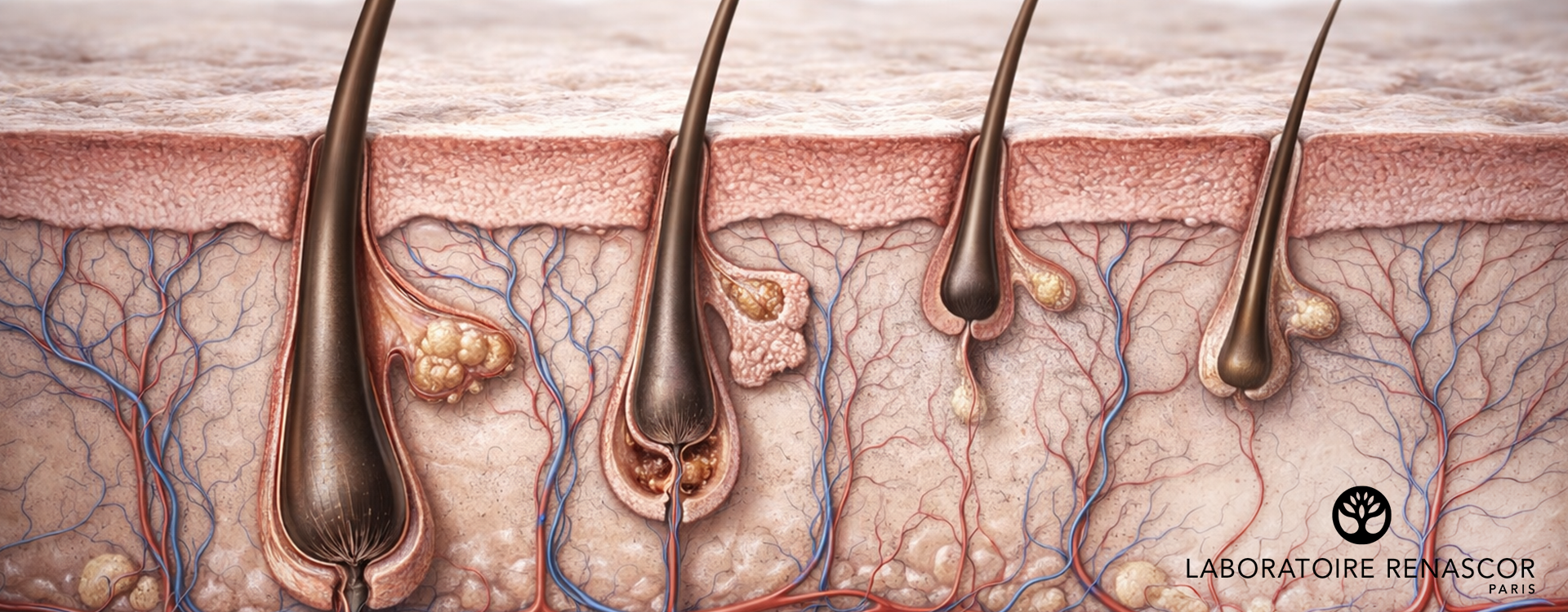
Chemotherapy targets rapidly dividing cells to fight cancer. Hair follicles, which produce hair, are among these vulnerable cells.
Result: an almost systematic loss, followed by regrowth whose quality varies greatly.
-
2% of patients: no regrowth, a rare but very difficult situation to live with.
-
13% of patients: perfect regrowth, dense and uniform.
-
85% of patients: unsatisfactory regrowth (thin hair, lack of density, different texture or color).
These figures show that, contrary to popular belief, regrowth "as before" is far from the norm.
What changes are most commonly observed?
The new hair can have very different characteristics:
-
Thinner, more sparse hair: reduced density, sometimes difficult to style.
-
Altered texture: unexpected waves or curls, sometimes called chemo curls.
-
Altered color: lighter hair, salt-and-pepper, or even white.
-
Slow and uneven regrowth: some areas grow faster, others more fragile.
These changes are the direct consequence of the shock endured by the hair matrix and the hormonal and immune disturbances caused by the treatments.
Why does hair regrow differently?
Three main explanations:
-
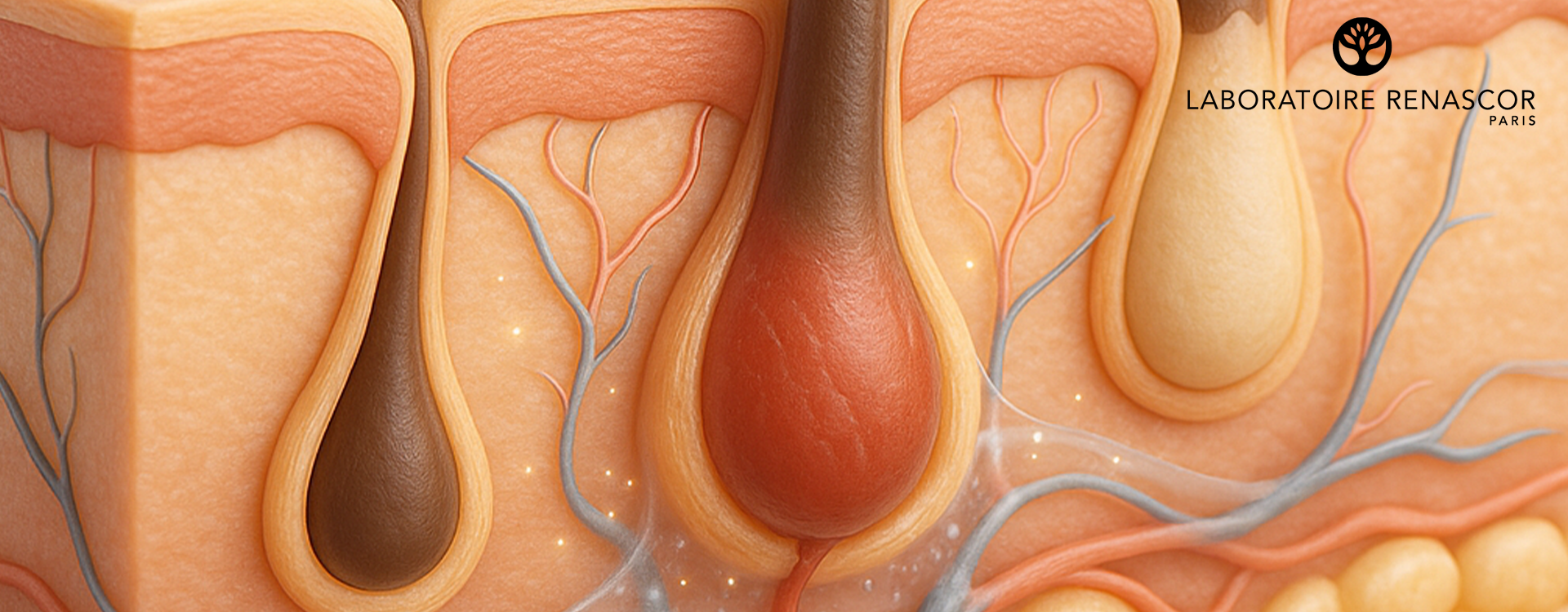
Micro-alterations of the hair matrix or connective sheath: the follicle or the membrane that gives the hair its shape are damaged, producing a different hair fiber.
-
Hormonal and immune disturbances: which influence the regrowth cycle.
-
Progressive reconstruction of the follicle: each bulb restarts in its own way, hence very variable results.
How to support hair regrowth after cancer?
Hair regrowth should not be seen as fate but as a stage to actively support.
-
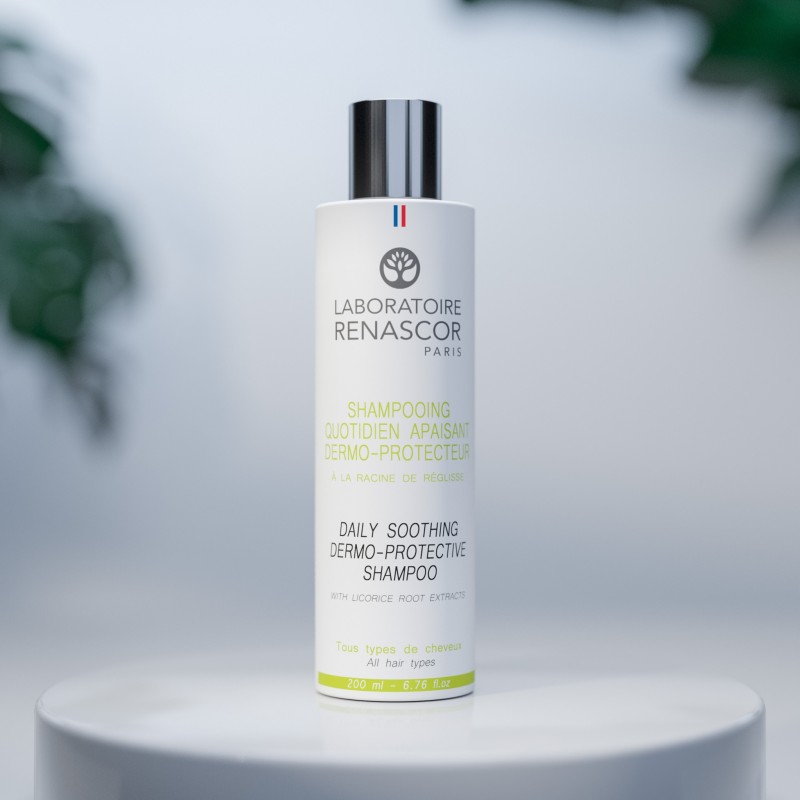
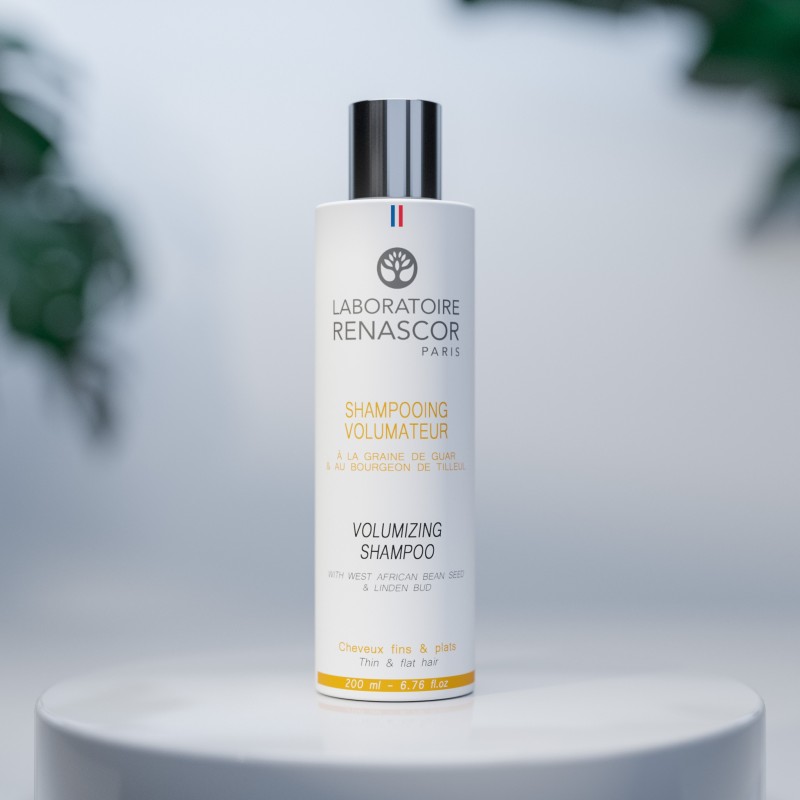
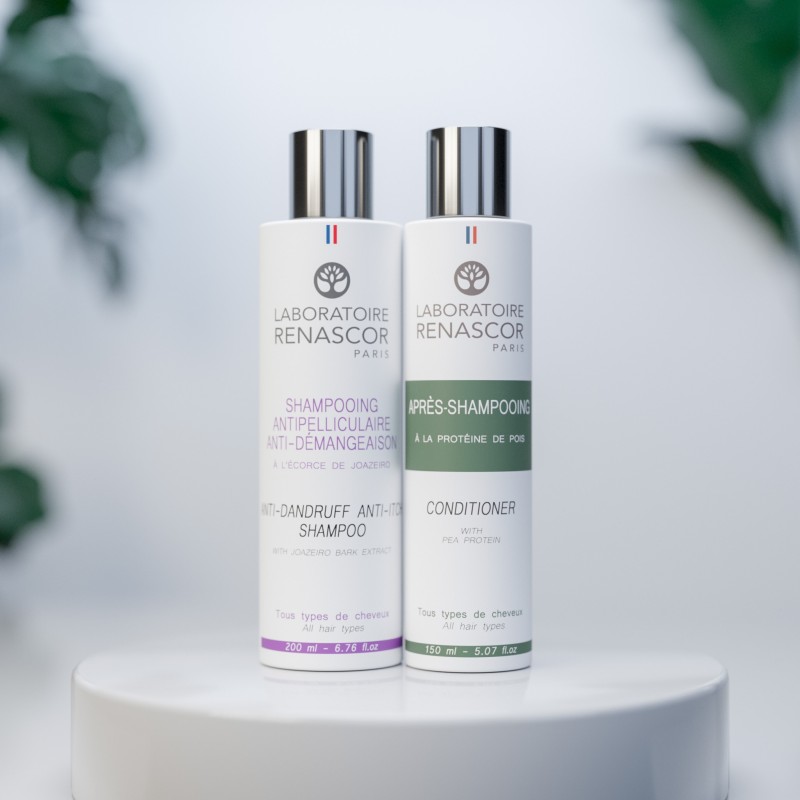
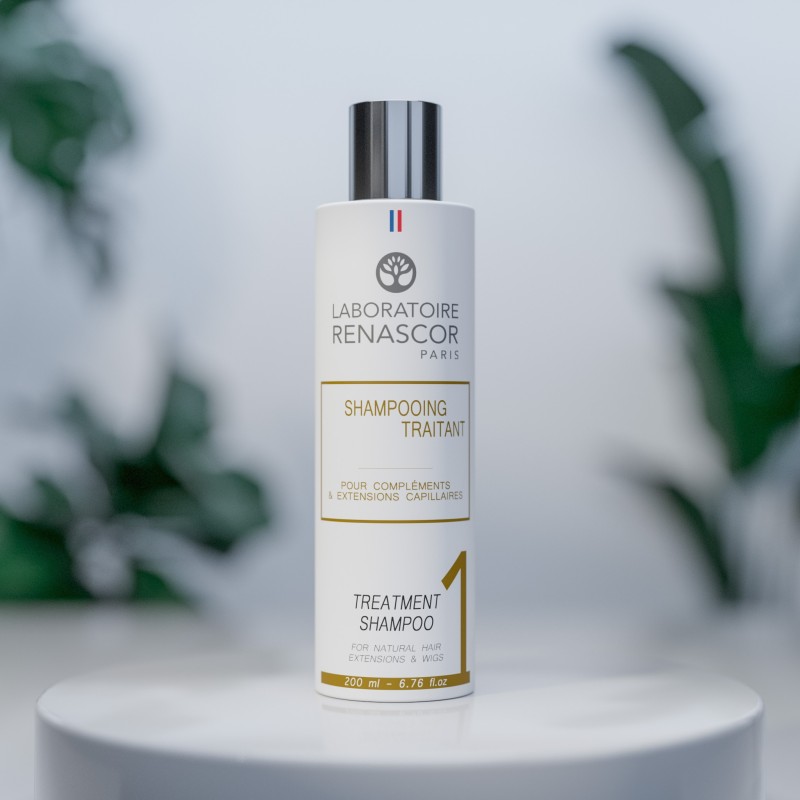
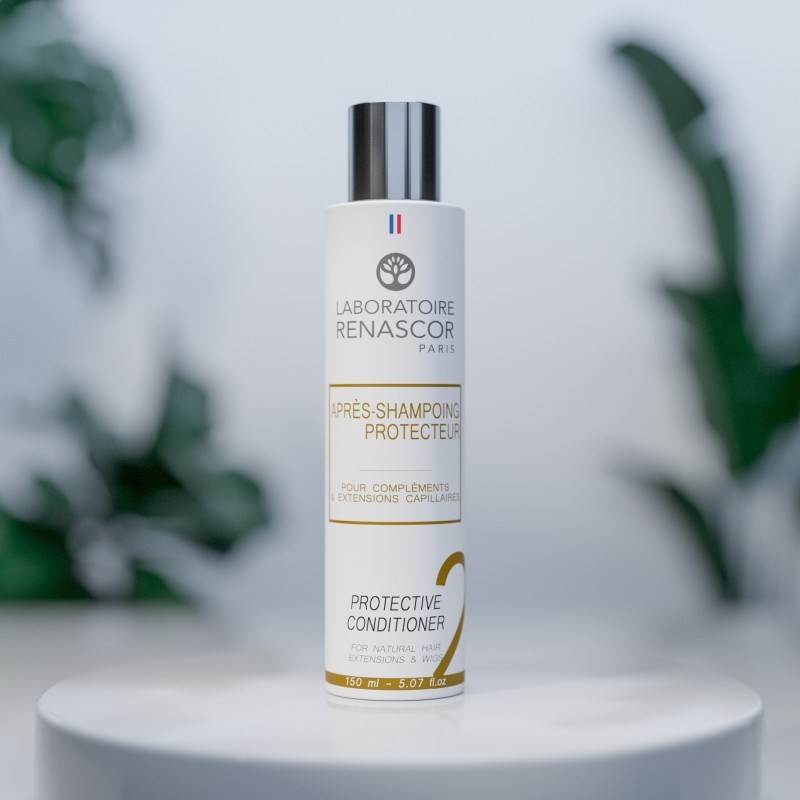
Gentle, appropriate care: sulfate-free shampoos, moisturizing conditioners, nourishing treatments.
-
Gradual stimulation: gentle scalp massages, protocols that promote microcirculation.
-
Limit aggressions: reduce the use of hot irons, straighteners, and harsh chemical products.
-
Aesthetic and psychological support: adapted hairstyles, wigs, hairpieces, to preserve self-image.
The RENASCOR Laboratory's response
The RENASCOR Laboratory is today the only laboratory in the world specialized in the post-cancer hair reconstruction. Our unique protocols provide a scientific and human solution to this complex issue.
-
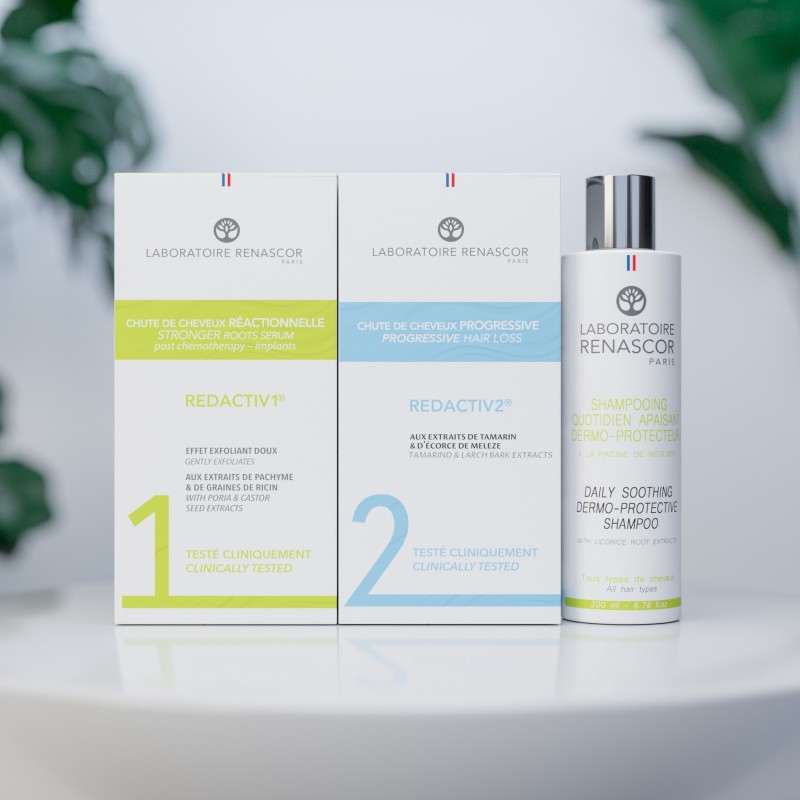
REDACTIV1: from the first days post-treatment, it promotes healing and prepares the scalp for regrowth.
-
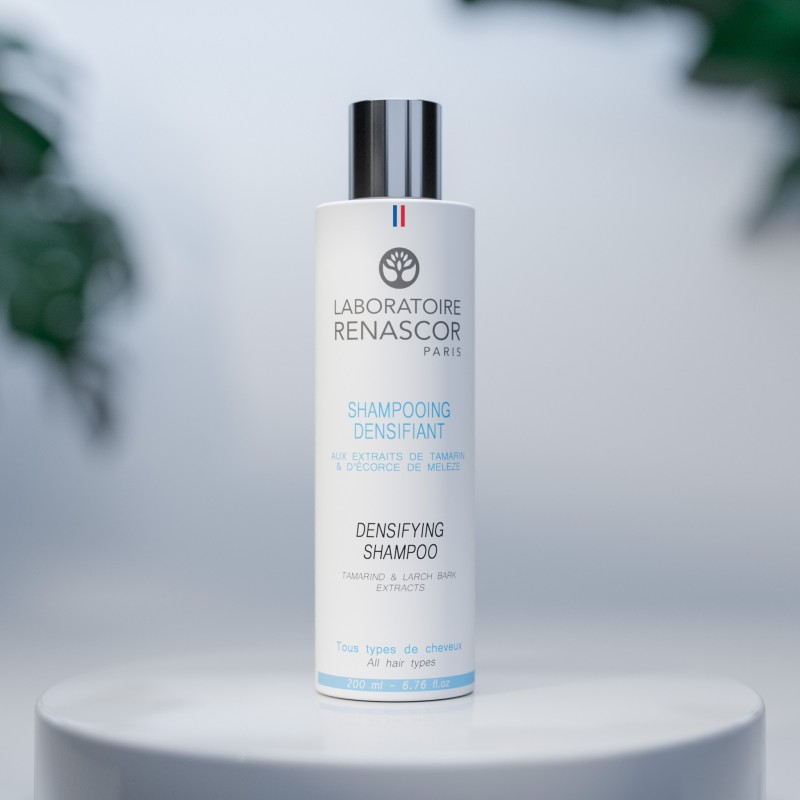
REDACTIV2: a treatment designed to stimulate growth, strengthen the fiber and improve density over time.
-
Human support: our experts and our socio-beauticians and socio-hairdressers partners support each patient with kindness and expertise.
With RENASCOR, regrowth is not limited to "waiting": it becomes a structured and monitored care pathway.
Conclusion: a possible hair rebirth
Regrowth after chemotherapy is rarely perfect: absent in 2% of cases, complete satisfaction in 13%, and for the majority, incomplete and frustrating regrowth.
That is why support is essential.
With its clinically validated protocols and unique expertise, the RENASCOR Laboratory transforms this difficult stage into a hair renaissance, restoring strength, density and confidence to patients around the world.