

Universal T Lymphocytes: A Revolutionary Treatment for Cancer?<\/h2>
A Promising Discovery Published in Nature Immunology<\/em><\/h3>
Recent research published in the scientific journal Nature Immunology<\/em> has generated significant interest: a team from Cardiff University has highlighted a particular lineage of T lymphocytes<\/strong> capable of identifying and neutralizing different types of cancer cells.<\/p>
According to Professor Andrew Sewell, this advance could pave the way for a "one-size-fits-all" cancer treatment, relying on a single type of T cell capable of targeting multiple forms of tumors in the population.<\/p>
How Do These T Lymphocytes Work?<\/h3>
These immune cells, naturally present in our blood, are capable of scanning the body<\/strong> thanks to a particular receptor: the TCR (T-Cell Receptor)<\/strong>. This "anti-cancer GPS" allows them to distinguish a large number of tumor cells while sparing healthy cells.<\/p>
In the laboratory, researchers have demonstrated that these lymphocytes can selectively destroy different cancer lineages<\/strong>, making them particularly promising.<\/p>
From Basic Research to Therapeutic Application<\/h3>
To transform this discovery into a treatment, the approach would be similar to that of CAR-T cells<\/strong>:<\/p>
Harvesting T lymphocytes from the patient.<\/p> <\/li>
Modification and amplification in the laboratory to enhance their effectiveness.<\/p> <\/li>
Reinjection into the body to target and eliminate cancer cells.<\/p> <\/li> <\/ol>
To date, the results are preclinical<\/strong> and have only been obtained in animal models. Clinical trials in humans are essential before confirming the effectiveness and safety of this approach.<\/p>
Between Hope and Caution<\/h3>
The idea of a universal cancer treatment<\/strong> appeals to both researchers and the general public. However, it is important to remain measured:<\/p>
Human testing has not yet begun.<\/p> <\/li>
Potential side effects need to be evaluated.<\/p> <\/li>
The timeline for clinical availability could be long.<\/p> <\/li> <\/ul>
Supporting Patients Today<\/h3>
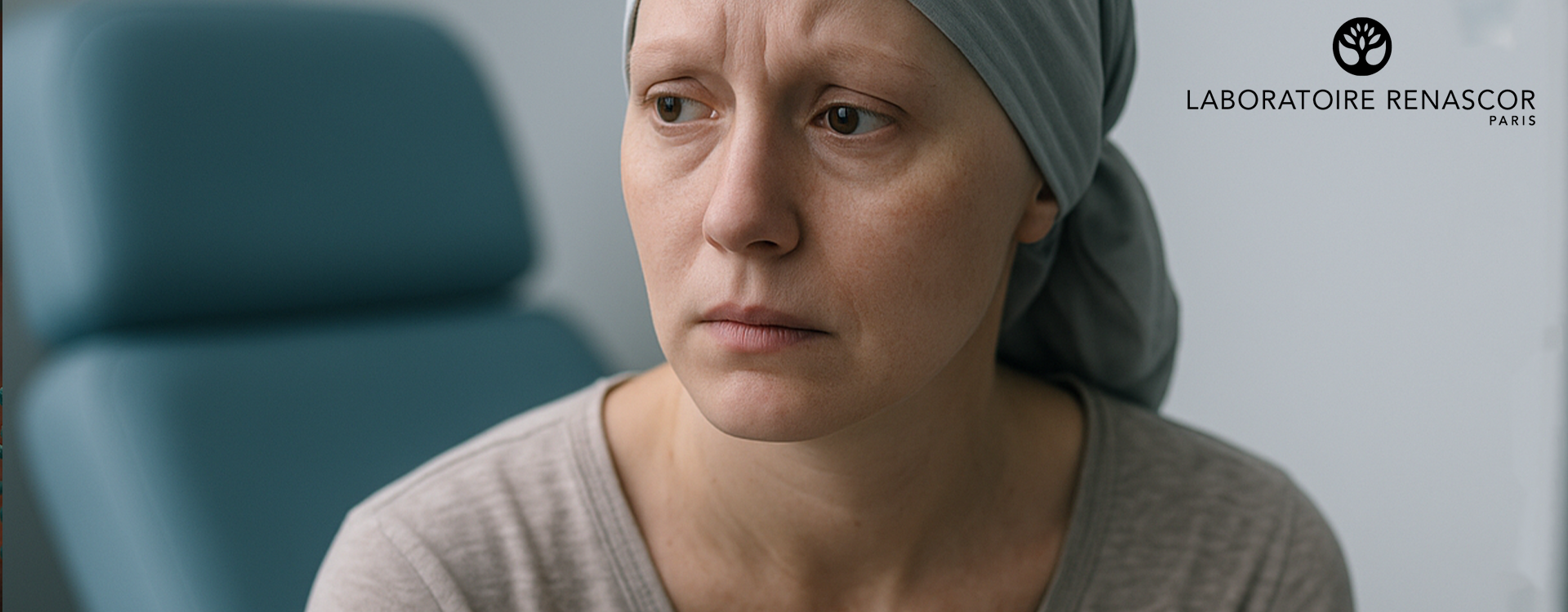
If this discovery represents hope for tomorrow, patients still have to face current treatments, which are often burdensome and challenging. The phase of reconstruction<\/strong>, both physical and psychological, remains essential.<\/p>
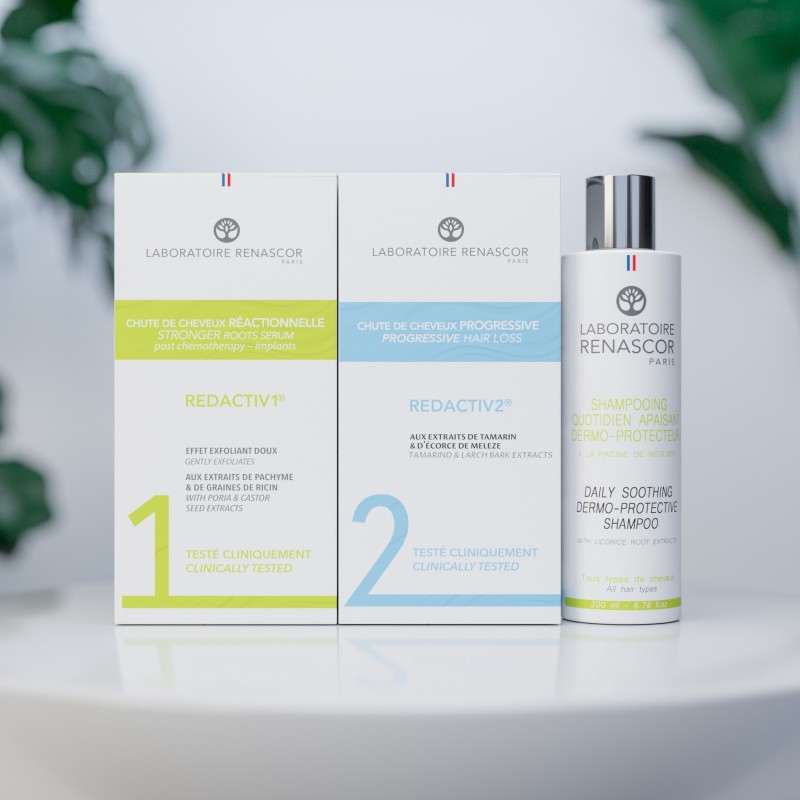
This is where Laboratory RENASCOR<\/strong>, a global expert in post-cancer hair reconstruction<\/strong>, already intervenes daily. Our innovative treatments allow patients to regain confidence, identity, and quality of life, alongside medical advancements.<\/p>
<\/p> <\/blockquote>
<\/p>
<\/p>
<\/p>
(Photo by Chris Chow on Unsplash)<\/em><\/p> <\/blockquote>
<\/p>
— Le Journal RENASCOR · Dossier
Universal T Lymphocytes: A Revolutionary Treatment for Cancer?
Researchers from Cardiff University have discovered a lineage of T lymphocytes capable of recognizing and destroying many types of cancer cells. A promising advance towards a potential universal cancer treatment, still in the preclinical phase.<\/p>