


The 5 misconceptions that still hinder breast cancer screening
Every October, the pink ribbon appears on our screens, our clothes and our shop windows. And yet, despite this wide awareness campaign, too many women still delay their screening.
Fear, misconceptions or lack of information continue to hinder a simple yet essential action: checking that everything is okay.
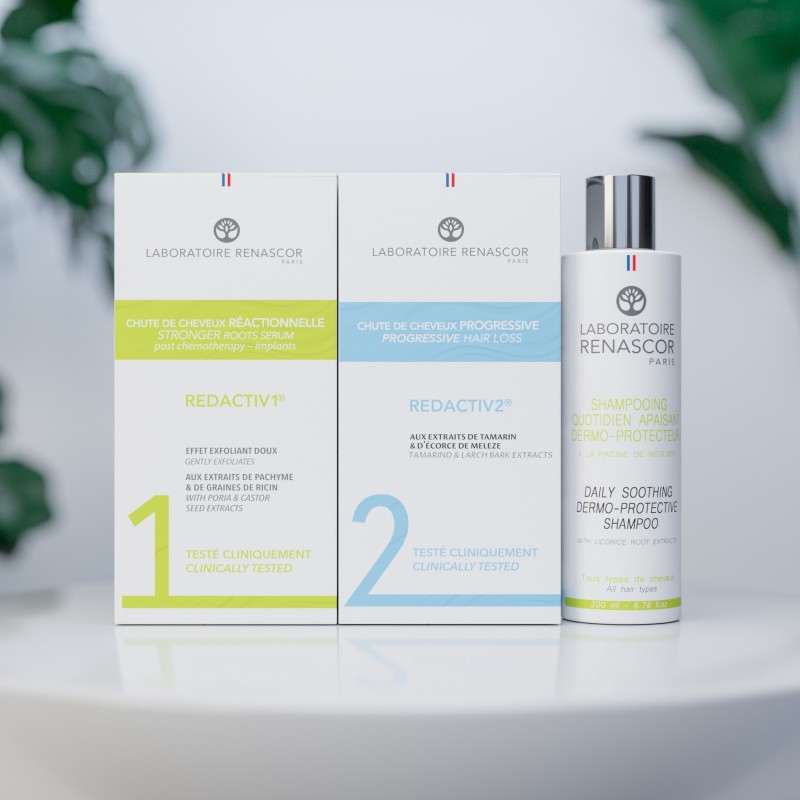
Laboratoire RENASCOR, a committed player in post-cancer reconstruction, reminds how early detection changes everything.
Here are 5 misconceptions that still persist and urgently need to be dispelled.
Misconception No. 1: “I'm too young to be affected.”
False.
Although the national screening program targets women aged 50 to 74, 1 in 10 women diagnosed is under 40.
Before that age, routine screening is not offered, but vigilance remains essential.
A regular self-exam, checking by touch if in doubt, and a prompt consultation with a doctor or midwife can save lives.
The right reflex : know your body, detect changes, never wait.
Misconception No. 2: “I have no history, so I'm not at risk.”
False.
Only 10% of women with breast cancer have a family history.
In 9 out of 10 cases, it is a so-called “sporadic” cancer, that is to say without a direct genetic link.
Screening is therefore not only for "at-risk" people: it concerns all women.
The right reflex : consider screening not as a burden, but as a universal health habit.
Misconception No. 3: “Mammography is painful.”
Not necessarily.
Mammography can be slightly uncomfortable, but the pain is very brief and bearable.
Current equipment is increasingly advanced, allowing a quick, precise and gentle exam.
And above all: a few seconds of discomfort can prevent months of intensive treatment.
The right reflex : tell the radiologist if your breasts are sensitive, so they can adjust the pressure and reduce discomfort.
Misconception No. 4: “I have no symptoms, so everything is fine.”
That's precisely why you need to be screened.
Breast cancer can develop silently for several years before causing any pain or visible change.
Mammography detects abnormalities even before they are palpable.
It is this early diagnosis that allows for quick intervention, lighter treatments, and greatly increases the chances of cure.
The right reflex : trust prevention, even when everything seems fine.
Misconception No. 5: “I've already had breast cancer, I no longer need screening.”
That's a dangerous idea.
Women who have already had breast cancer remain more exposed to a recurrence or a second cancer.
Regular and rigorous follow-up is therefore essential, even after recovery.
Screening then becomes an act of active vigilance, a way to protect oneself long-term and live more serenely.
The right reflex : maintain this follow-up with confidence, surrounded by a listening medical team.
Talking about it is already taking action
Screening is not a topic reserved for doctors.
It's a conversation between women, between generations, among loved ones.
Talking to your mother, your sister, or a friend might save her life.
Each year, thousands of cancers are detected in time thanks to this simple reflex.
The Laboratoire RENASCOR, global expert in post-cancer hair regrowth, then supports those who are going through the reconstruction period — that stage where one relearns to love oneself, to look at oneself, to be reborn.
Because before rebirth, there is prevention.
And Pink October must remain a month of action, dialogue and hope.