

The Mistakes That Delay Post-Oncological Hair Regrowth
Why some seemingly harmless actions actually hinder the reconstruction of the follicle after treatment.
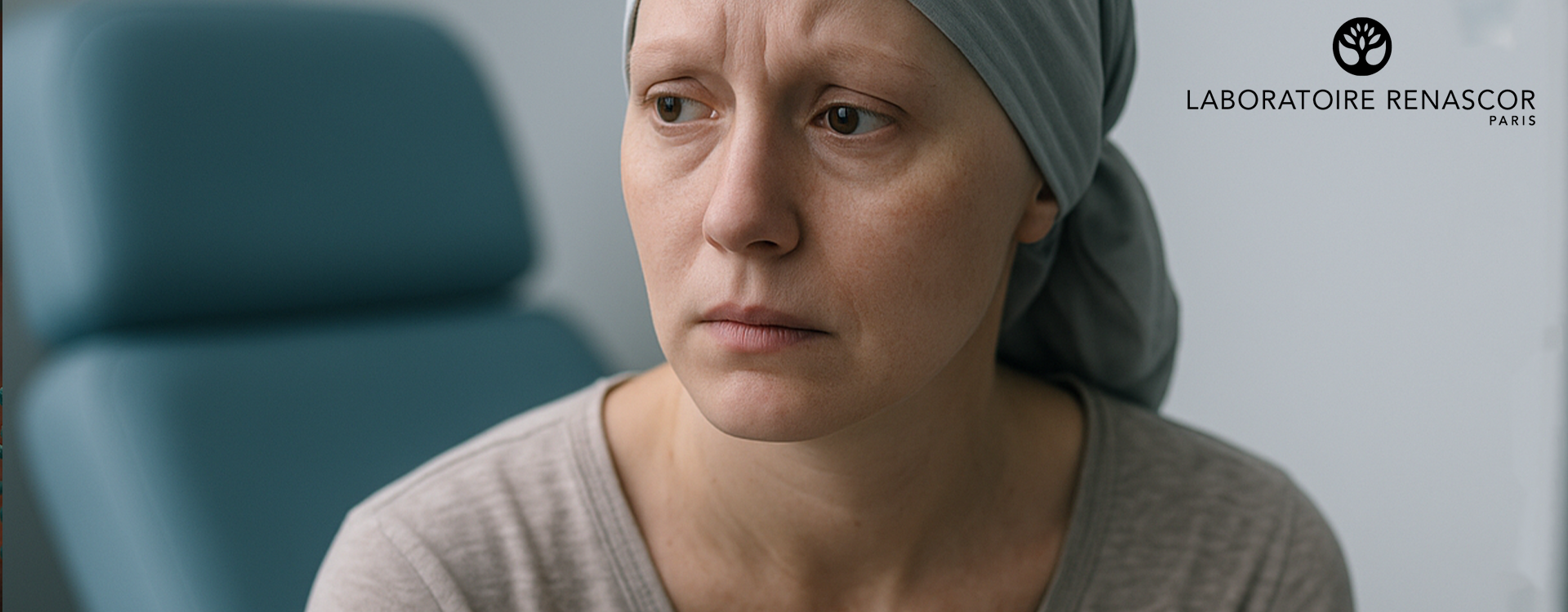
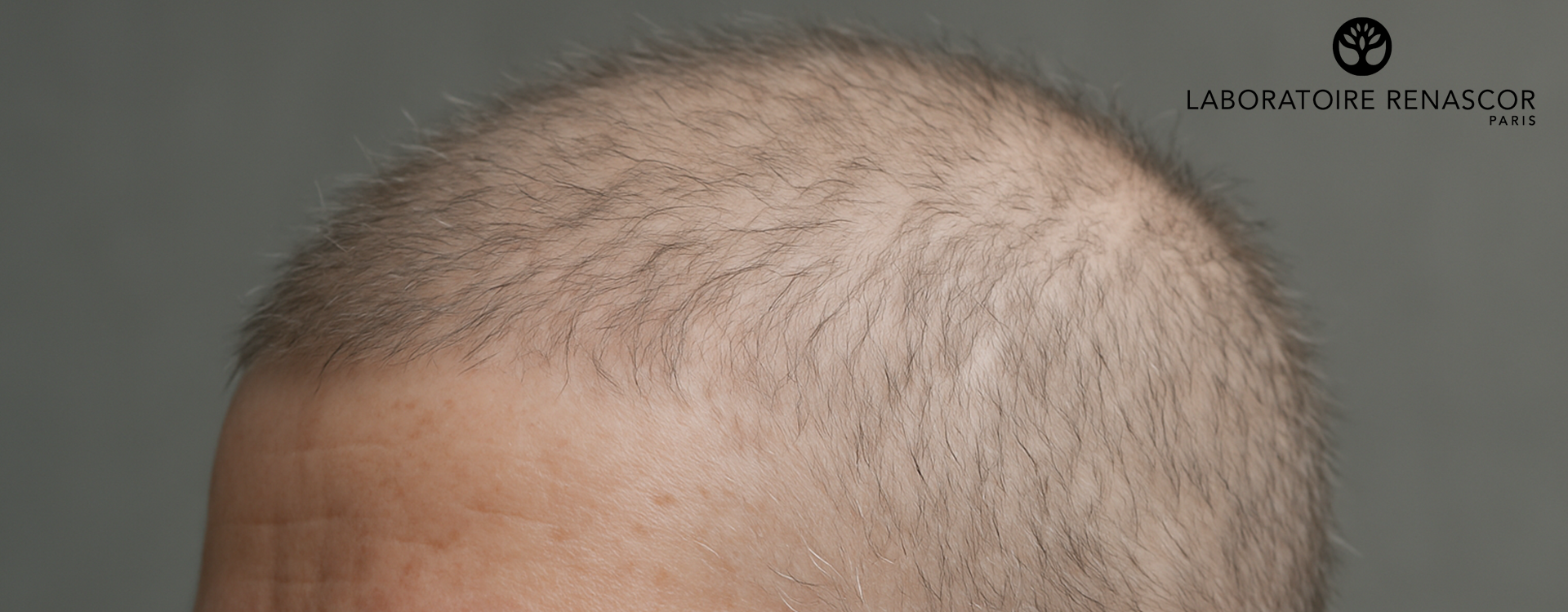
After chemotherapy, hair regrowth is never just a simple "return to normal".
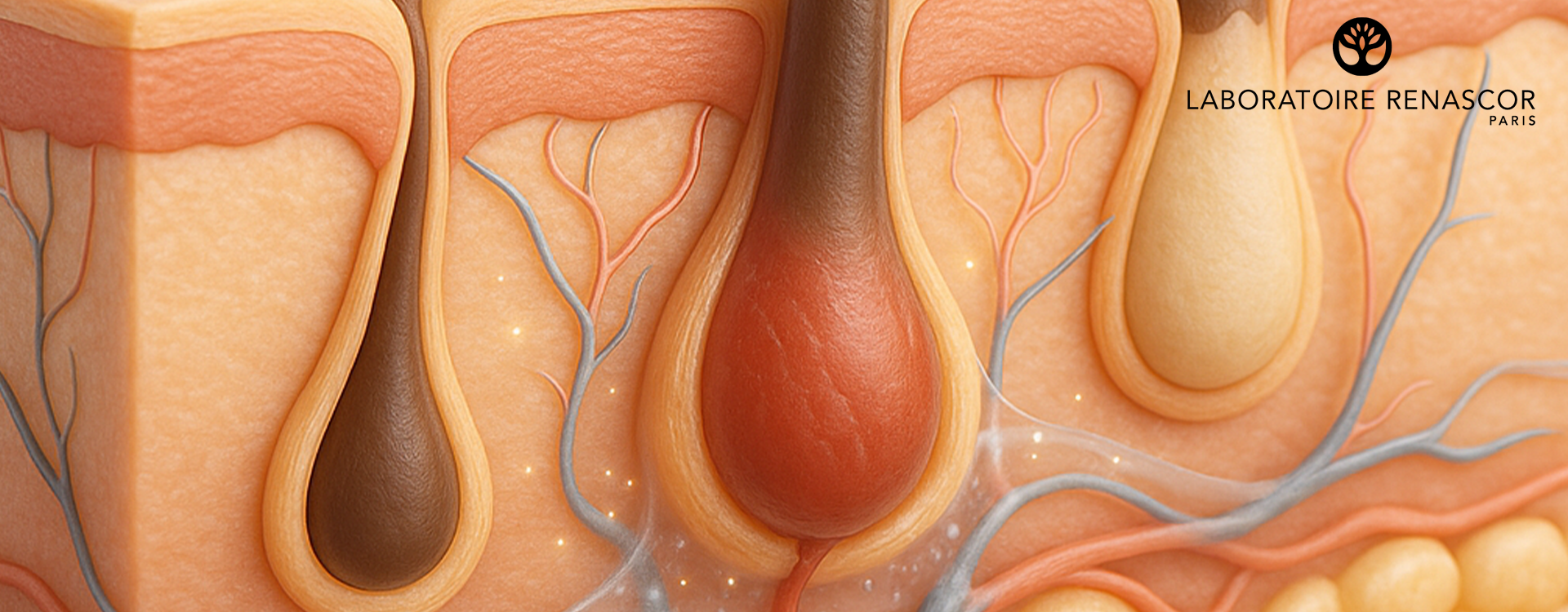
The follicle has gone through a period of intense stress, sometimes lasting several months of therapeutic aggressions targeting rapidly dividing cells, including those in the hair bulb.
When treatments stop, the follicle needs to get back on track:
it must calm the residual inflammation, restore its matrix, restart the anagen phase, and reorganize the entire hair cycle.
This complex process can be slowed down by everyday actions that are often done without negative intention.
These mistakes do not destroy the follicle — but they can prolong the latency phase, delay anagen, or disrupt the biological environment necessary for harmonious regrowth.
Here are the most frequent mistakes… and why they truly weigh on post-oncological hair density.
1. Doing Nothing Thinking "It Will Grow Back on Its Own"
The idea is tempting: the body has endured heavy treatments, it will eventually restart its hair growth.
Yes… but often more slowly and less densely than expected.
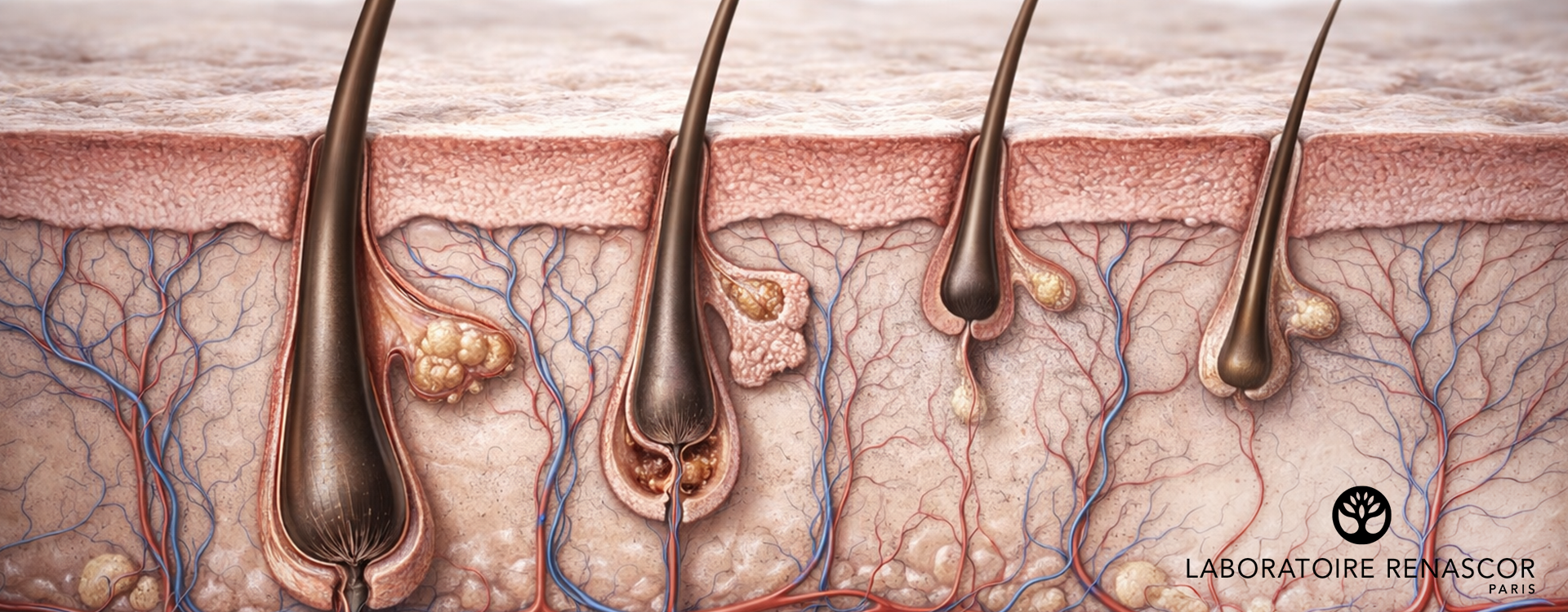
After chemotherapy, the follicle functions like a complex machine that has been abruptly stopped.
Restarting it requires:
-
a resumption of vascularization,
-
a reduction of local inflammation,
-
a gradual reactivation of stem cells,
-
a normalization of the scalp microbiome.
Without external help, this restart can be very slow.
Doing nothing is not dangerous, but it is one of the main reasons for "soft" or delayed regrowth.
2. Using Too Irritating or Inappropriate Treatments for the Post-Oncological Phase
The scalp, after treatment, becomes an extremely sensitive area.
It reacts more easily, dries out faster, and defends itself less effectively against external aggressions.
In this state, some conventional treatments turn into real obstacles to regrowth.
Aggressive shampoos, irritating surfactants, strong essential oils, or mechanical scrubs create unnecessary micro-inflammations.
Each irritation pushes back the restart of the anagen cycle, as if the scalp were asking for more time before it would agree to "work".
The goal, on the contrary, is to create a soothing biological environment, conducive to the natural return of the fiber.
3. Relying Solely on Dietary Supplements
Supplements can help the body function better, but they do not stimulate hair regrowth by themselves.
A weakened follicle does not simply restart because we provide it with nutrients:
it needs a biological signal, a local action that acts on inflammation, the matrix, and vascularization.
Supplements never replace a topical treatment formulated for the post-oncological scalp.
Why? Because a dietary supplement addresses a dietary problem or deficiency, not a biological one.
4. Spacing Shampooing Excessively
Many patients think that "the less we touch the hair, the better it will regrow".
This is a common mistake.
A rarely washed scalp accumulates:
-
dust,
-
oxidized sebum,
-
residues of sweat,
-
dead skin cells,
-
pollution.
These elements create an environment where the skin does not breathe well, where inflammation quietly sets in.
However, a follicle undergoing reconstruction needs a clean, light, balanced environment.
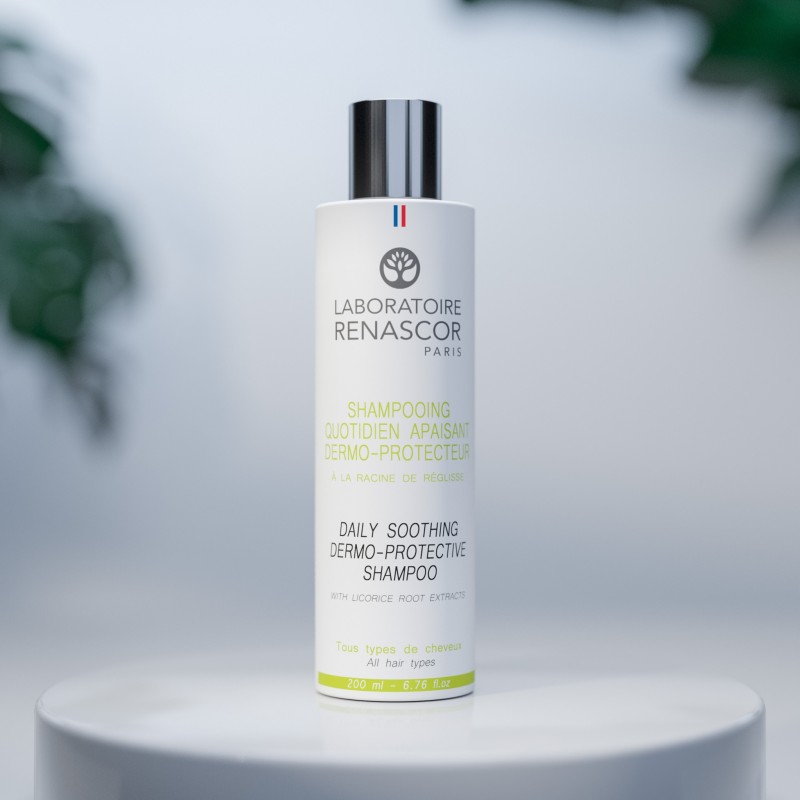
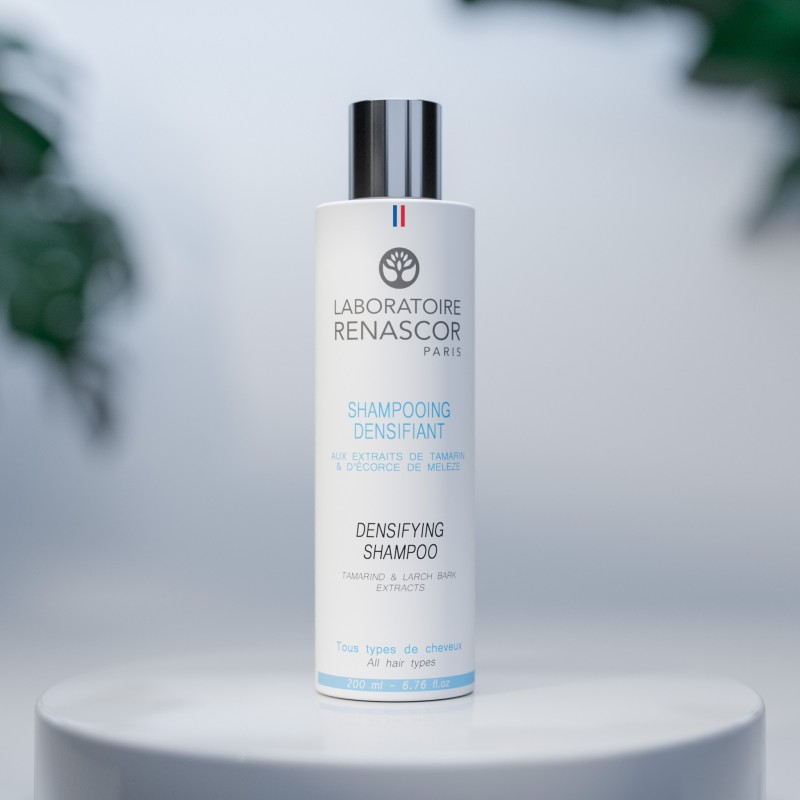
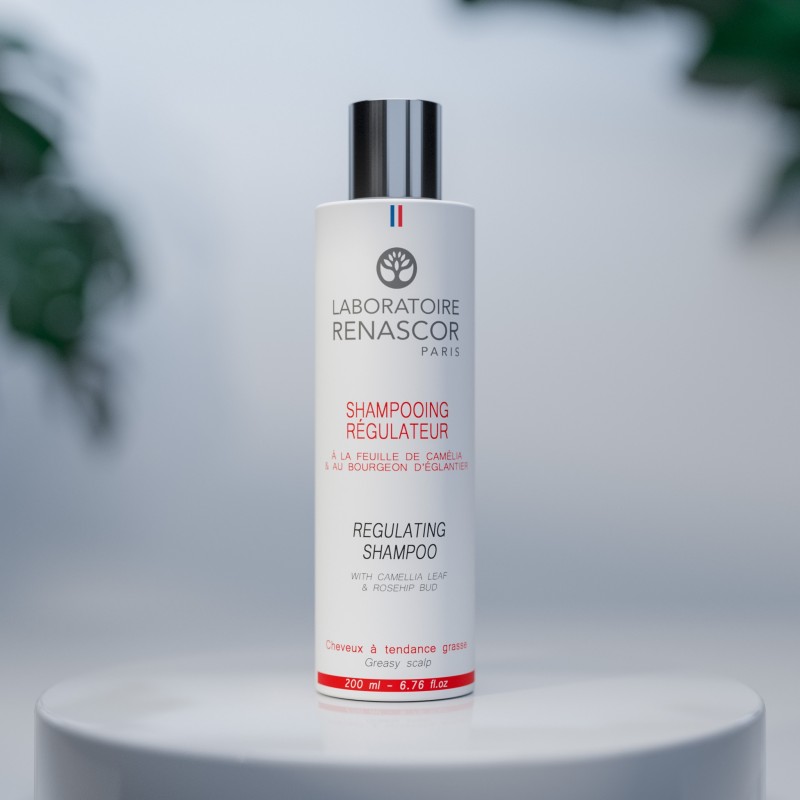
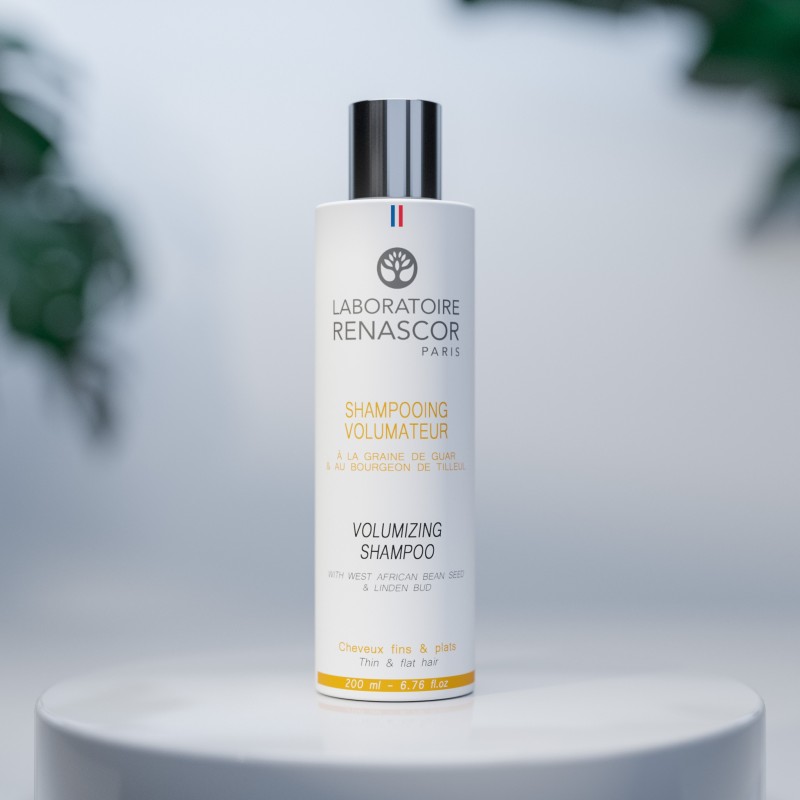
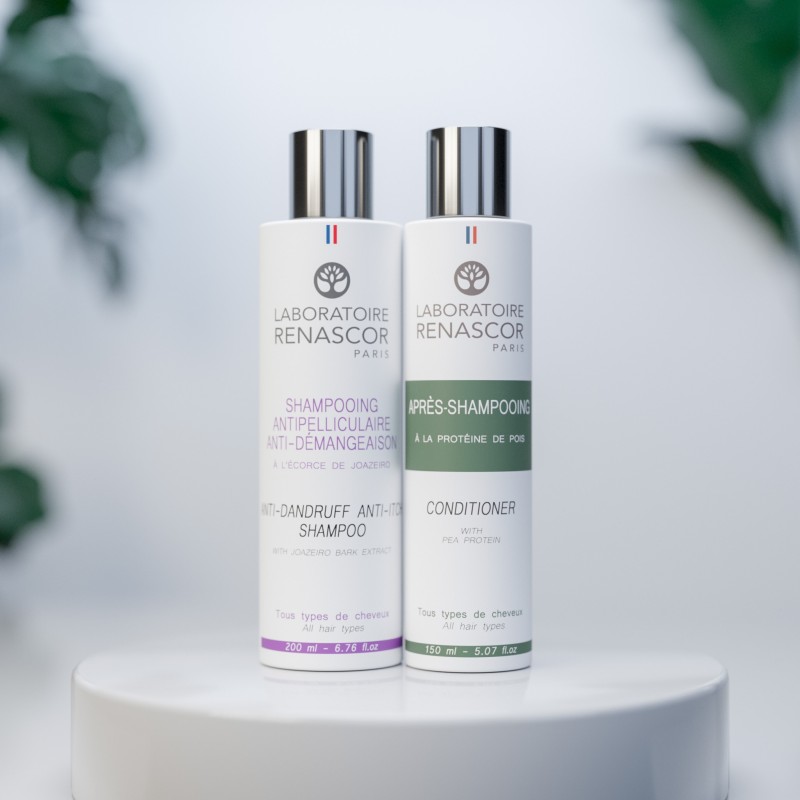
A gentle and regular shampoo does not pull out the hair: it is an essential hygiene element. RENASCOR shampoos are formulated to meet every type of scalp, including those in the chemotherapy or post-chemotherapy phase.
5. Weighing Down the Scalp with Oils, Butters, or Occlusive Treatments
The temptation is strong after chemotherapy: nourish, hydrate, "cocoon" the hair.
However, the post-oncological phase is not a classic care period.
Vegetable oils and butters, often used with good intentions, are too heavy for this fragile phase.
They accumulate, prevent the skin from breathing, slow the penetration of active treatments, and end up creating an occlusive film that disturbs the sebaceous gland.
Far from helping regrowth, they hinder it.
The post-oncological scalp needs lightness, not saturation.
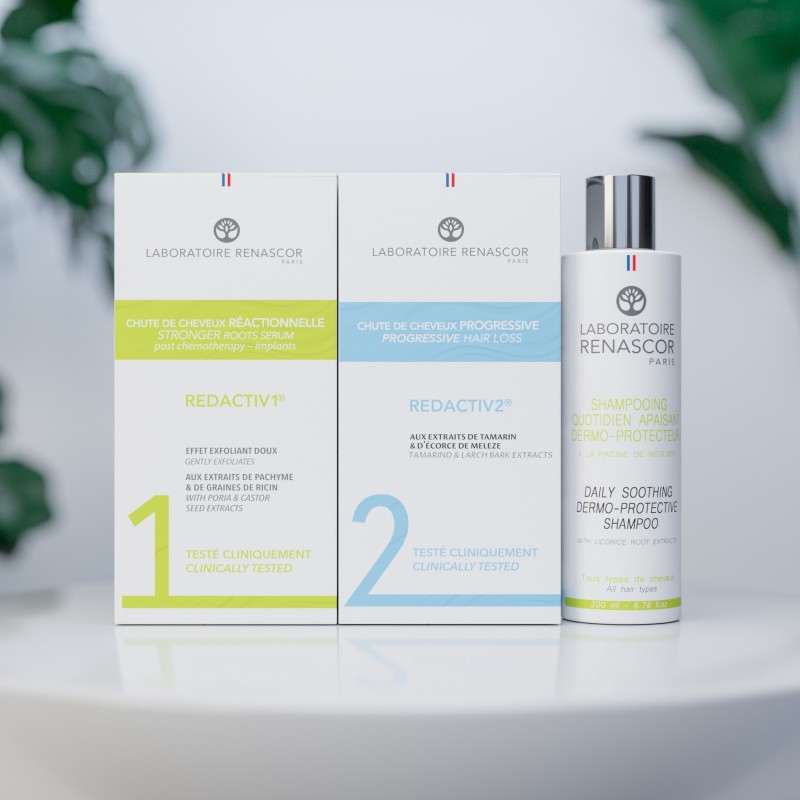
This is one of the reasons why REDACTIV treatments are non-greasy.
6. Pulling on New Hair — Even Slightly
The first hairs that regrow are finer, shorter, sometimes more wavy or drier.
They tend to want to be styled, groomed, or disciplined.
However, traction — even minimal — can weaken these new fibers.
High hair ties, tight headbands, or repeated friction (hats, scarves, rough pillows) break the developing hair and give the impression of regrowth that "stagnates".
The follicle is doing its job, but the new fibers struggle to lengthen.
7. Underestimating the Impact of Chronic Stress
Stress is not just a simple feeling:
it alters the biology of the follicle.
High cortisol levels:
-
prolong the telogen phase,
-
disrupt vascularization,
-
maintain inflammation,
-
weaken the initial regrowth cycles.
Thus, even after chemotherapy ends, significant stress can continue to hinder densification.
Emotional management is an integral part of hair regrowth.
8. Brushing Too Hard… or Not Brushing at All
Brushing is a technical gesture.
Too vigorous brushing breaks new fibers;
too infrequent brushing allows the scalp to become cluttered with flakes.
The right gesture is slow, gentle, regular, with an appropriate brush.
It stimulates microcirculation, distributes sebum, and supports regrowth.
9. Lacking Consistency
The biology of the follicle works in cycles.
A treatment applied every other day, or a routine interrupted every two weeks, equates to asking the follicle to restart each time.
Consistency is a determining factor. The REDACTIV protocol from Laboratoire RENASCOR, a hair growth protocol formulated for post-chemotherapy, is an exceptional treatment that must be applied according to the laboratory's recommendations.
It transforms "average" regrowth into optimal regrowth.
10. Using Conventional Anti-Hair Loss Treatments Not Formulated for Post-Oncology
This is the most common mistake.
A cosmetic anti-hair loss treatment does not target:
-
the disorganization of the post-onco cycle,
-
silent inflammation,
-
the reconstruction of the bulb,
-
tissue healing,
-
the altered microbiome.
The needs of a post-onco scalp are unique.
They require specialized treatments designed for this specific period of reconstruction.
The RENASCOR Approach: Supporting Biology, Naturally
RENASCOR treatments have been formulated to accompany regrowth where it happens:
at the level of the bulb, matrix, scalp, vascularization, and inflammation.
REDACTIV1 prepares the ground:
it soothes, reduces silent inflammation, stabilizes the follicle environment, and reactivates cellular activity in the matrix.
REDACTIV2 takes over:
it restarts anagen, supports the creation of new fibers, and harmonizes the cycles.
RENASCOR shampoos complement this action by rebalancing the scalp, a sine qua non condition for healthy regrowth.
FAQ
Why is my hair growing back so slowly after chemotherapy?
Because the follicle must repair its internal structures before launching a thick fiber.
Is it normal to have fine hair at first?
Yes: the first fibers are always finer. They gain thickness with the cycles.
Can I apply oils to my scalp?
No. Never. They are too occlusive. They are an obstacle to hair regrowth.
Do supplements accelerate regrowth?
They address a dietary issue or deficiency, like iron deficiency. They support the body but do not directly restart the matrix. They therefore do not respond to a biological issue. They are thus completely useless in cases of hair loss unrelated to dietary deficiencies.
What is the average time to regain good density?
Between 3 and 12 months, depending on profiles and the consistency of treatments.