

Scalp Microneedling: Effective or Dangerous?
Scalp microneedling is gaining increasing popularity, especially among those seeking quick solutions for hair loss.
Is this method, which involves mechanically piercing the skin with micro-needles, truly effective for stimulating regrowth? Or is it just a fad without scientific basis?
At RENASCOR Laboratory, we have made a clear choice: to reject invasive approaches that harm the scalp, in favor of scientifically validated topical solutions. Protecting the integrity of the hair follicle, respecting the epidermis, and supporting each patient in sustainable reconstruction have been part of our DNA since 2017.
How Does Microneedling Work on the Scalp?
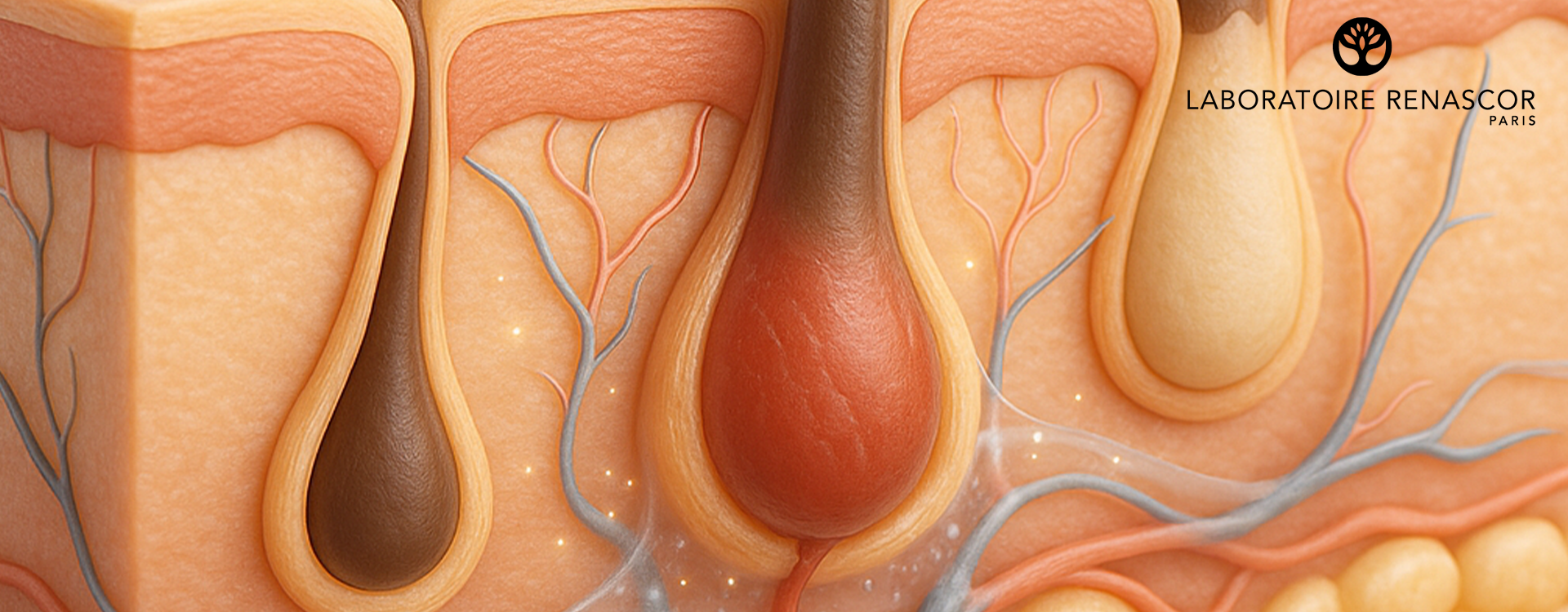
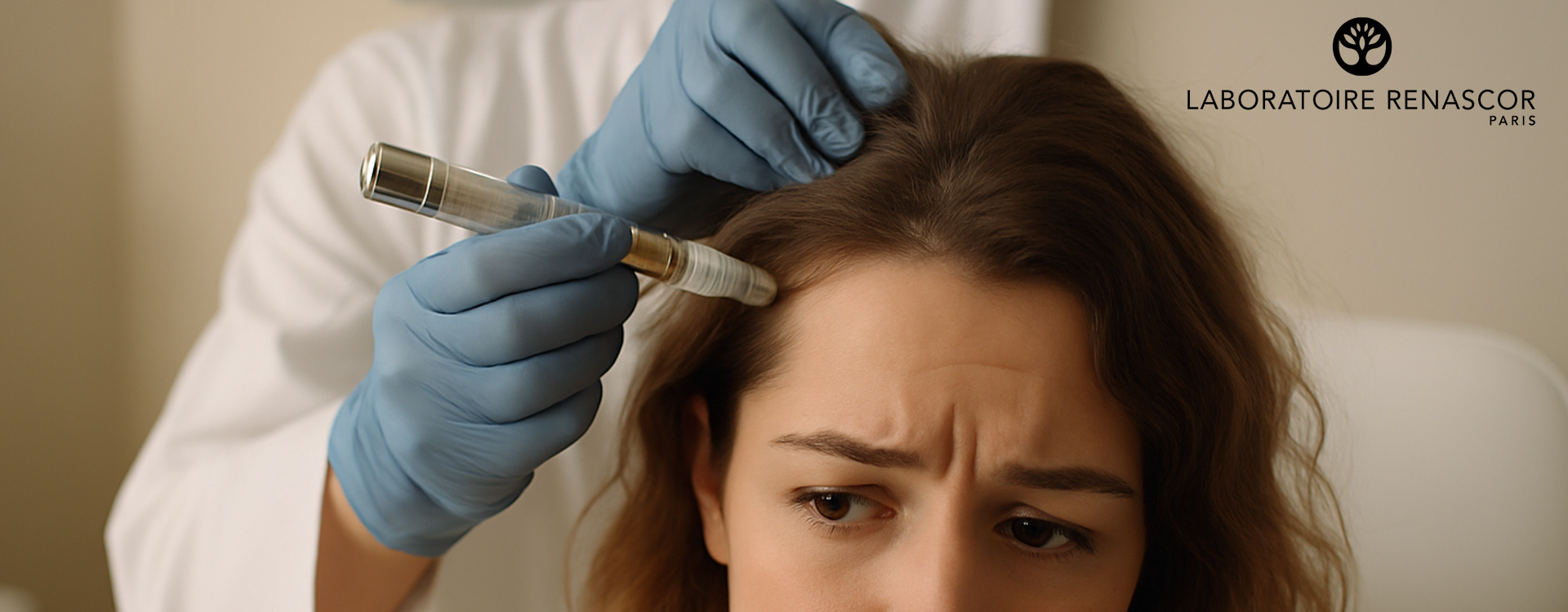
Microneedling involves creating micro-perforations in the skin using rollers or pens equipped with very fine needles. The principle: these micro-lesions would trigger a controlled inflammatory reaction, supposedly stimulating blood circulation, releasing growth factors, and thus promoting hair regrowth.
The method is sometimes combined with topicals (vitamins, peptides, minoxidil), which are supposed to penetrate better through the created micro-channels.
But what does science really say?
What Do Clinical Studies Show?
The results of studies are still limited and heterogeneous. While some trials mention a slight improvement in hair density in cases of moderate male androgenetic alopecia, the evidence remains insufficient to justify widespread use of scalp microneedling, especially in self-treatment or on weakened scalps.
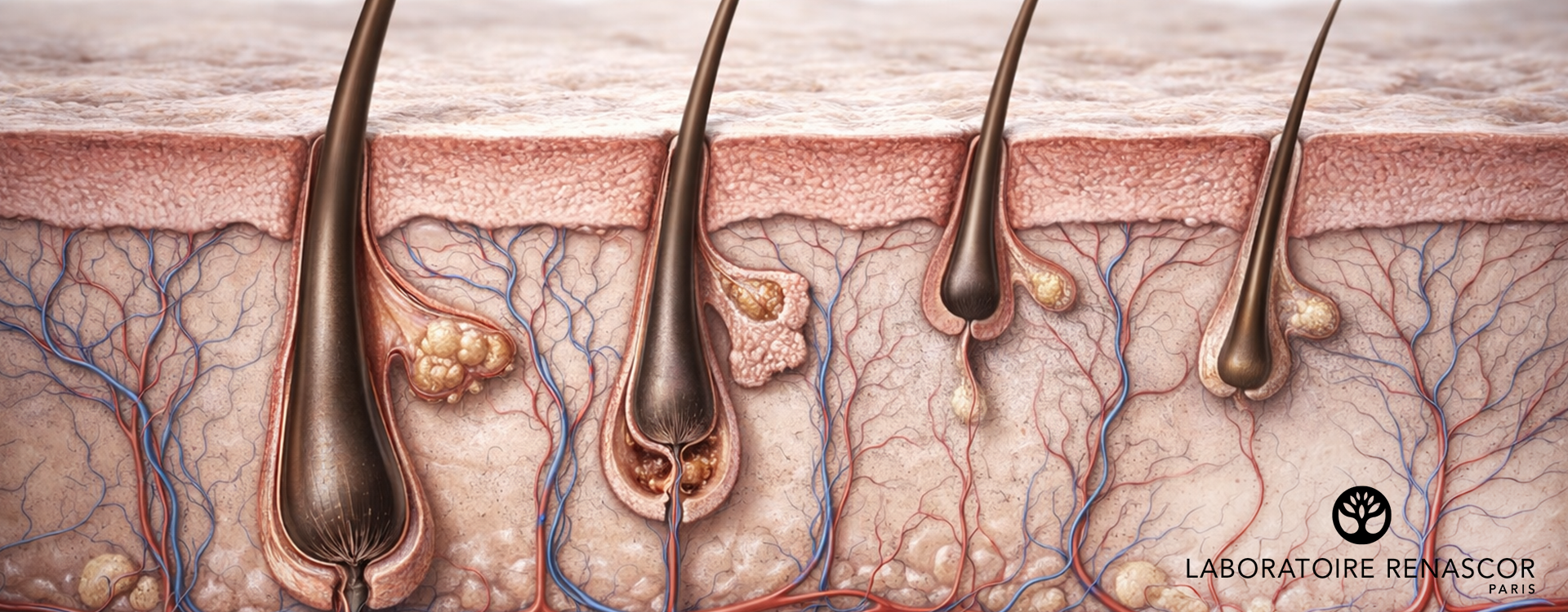
Moreover, the risks are real: infections, inflammatory reactions, skin sensitization, scars... The scalp is a vascularized and sensitive area. Regularly harming it can impair its protective function and delay any form of regrowth.
Why RENASCOR Rejects This Method
RENASCOR Laboratory is currently the only laboratory in the world exclusively specializing in post-oncological hair reconstruction and care for weakened scalps.
As such, we adopt a very clear position:
-
NO to scalp microneedling,
-
YES to scalp protection,
-
YES to gentle and respectful follicle stimulation,
-
YES to sustainable regrowth, without aggression.
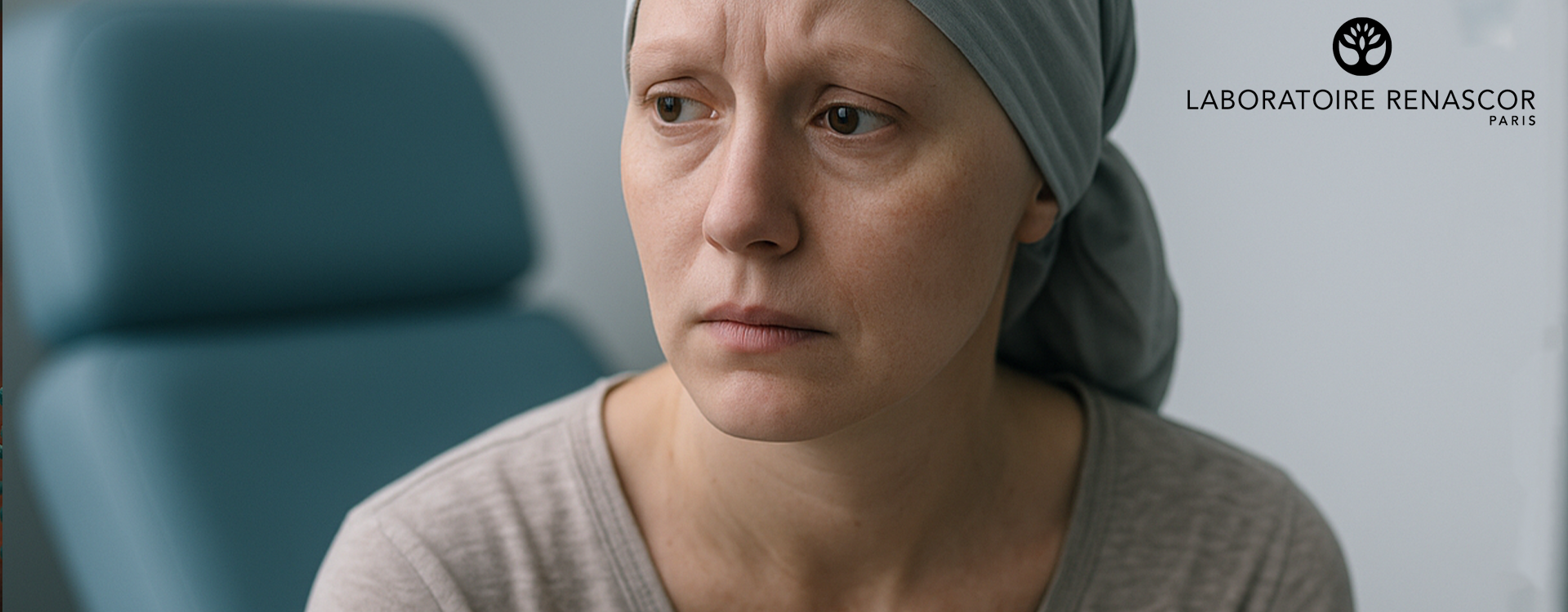
We reject any invasive method not scientifically justified, particularly for post-chemotherapy patients, those who have undergone a transplant, or those with sensitized scalps (hormonal imbalances, oxidative stress, heavy treatments...).
Proven and Respectful Alternatives
Since 2017, we have developed scientifically validated topical protocols that effectively stimulate regrowth without ever harming the skin.
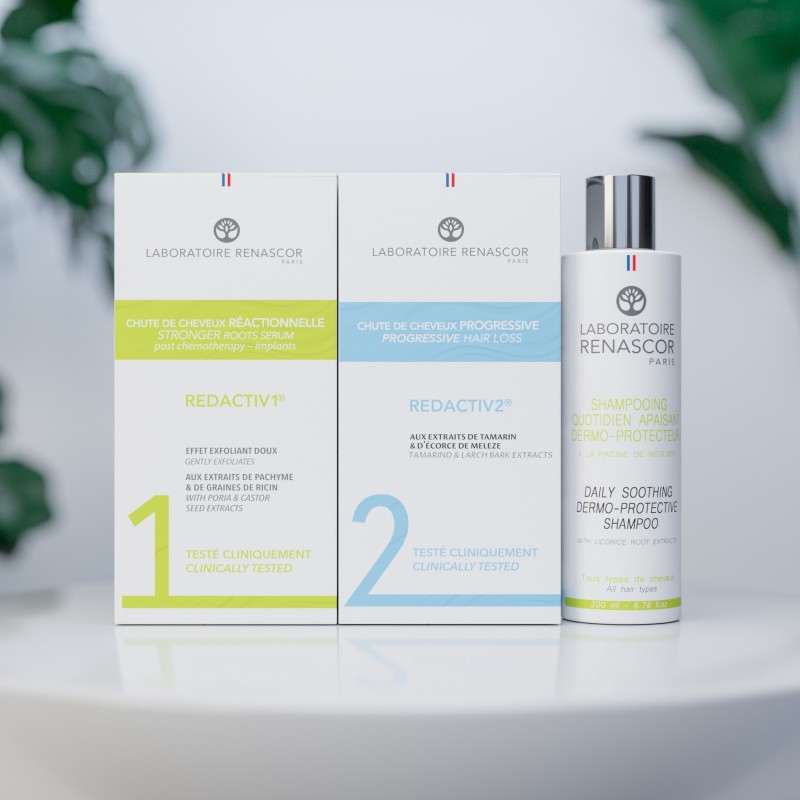
The REDACTIV2 treatment, for example, promotes hair density from the first weeks, without any invasive constraints.
In post-chemotherapy, the REDACTIV1 protocol can be used the day after treatment to accelerate regrowth while protecting the epidermis.
These solutions are suitable for all types of scalps, including the most fragile.
Our Commitment: Safety, Effectiveness, Support
At RENASCOR Laboratory, we believe in gentle, sustainable, and supported hair reconstruction.
Our treatments are formulated, tested, and validated with constant scientific rigor.
Our approach is based on:
-
Listening to the patient,
-
Fine analysis of the scalp,
-
Respect for skin integrity,
-
And a holistic view of hair health.
Conclusion
Scalp microneedling may appeal with its quick promise. But the risks outweigh the benefits, especially in the case of a weakened scalp.
At RENASCOR, we refuse to succumb to trends at the expense of safety and scientific rigor.
Protect. Reconstruct. Respect. This has been our mission since the first hair growth protocol launched in 2017.