


Chemotherapy and processed meats: what link with cancer?
Processed meats, a culinary pleasure that raises questions
Salami, ham, pâté, rillettes, bacon bits or smoked meats… Processed meats are part of our culinary culture. Yet numerous studies highlight their link with an increased risk of cancer, notably colorectal and stomach cancer.
In 2015, the International Agency for Research on Cancer (IARC) classified processed meats as carcinogenic to humans. This finding is striking, as it reminds us how directly diet influences health.
Why do processed meats increase cancer risk?
The harmfulness of processed meats can be explained by:
-
Nitrites and nitrates: these additives are converted in the body into carcinogenic nitrosamines.
-
Cooking methods (smoking, grilling, frying): they produce toxic substances involved in cancer development.
-
Salt and saturated fats: in excess, they promote inflammation, weaken the gastric mucosa and increase the risk of stomach cancer.
Which types of cancer are concerned?
-
Colorectal cancer: confirmed by many studies, with an increased risk from as little as 50 g consumed per day.
-
Stomach cancer: excess salt and nitrite compounds directly weaken the stomach walls.
-
Other possible cancers: pancreas and prostate, with evidence still limited but with serious leads under study.
Should processed meats be completely stopped?
It is not necessary to ban processed meats entirely, but it is essential to consume them in moderation:
-
No more than one portion per week.
-
Favor products without added nitrites.
-
Emphasize a diet rich in fiber, fruits and vegetables, which help neutralize harmful effects.
The role of diet in cancer prevention
The RENASCOR Laboratory, a world expert in post-cancer hair reconstruction, reminds us that the fight against the disease is not limited to medical treatments.
Diet plays a key role before, during and after cancer.
Prevention means limiting processed foods, reducing processed meats, and giving a central place to protective foods: fruits, vegetables, legumes, whole grains. These choices strengthen the body, support the immune system and help reduce the risk of relapse.
And after cancer: rebuilding also through hair
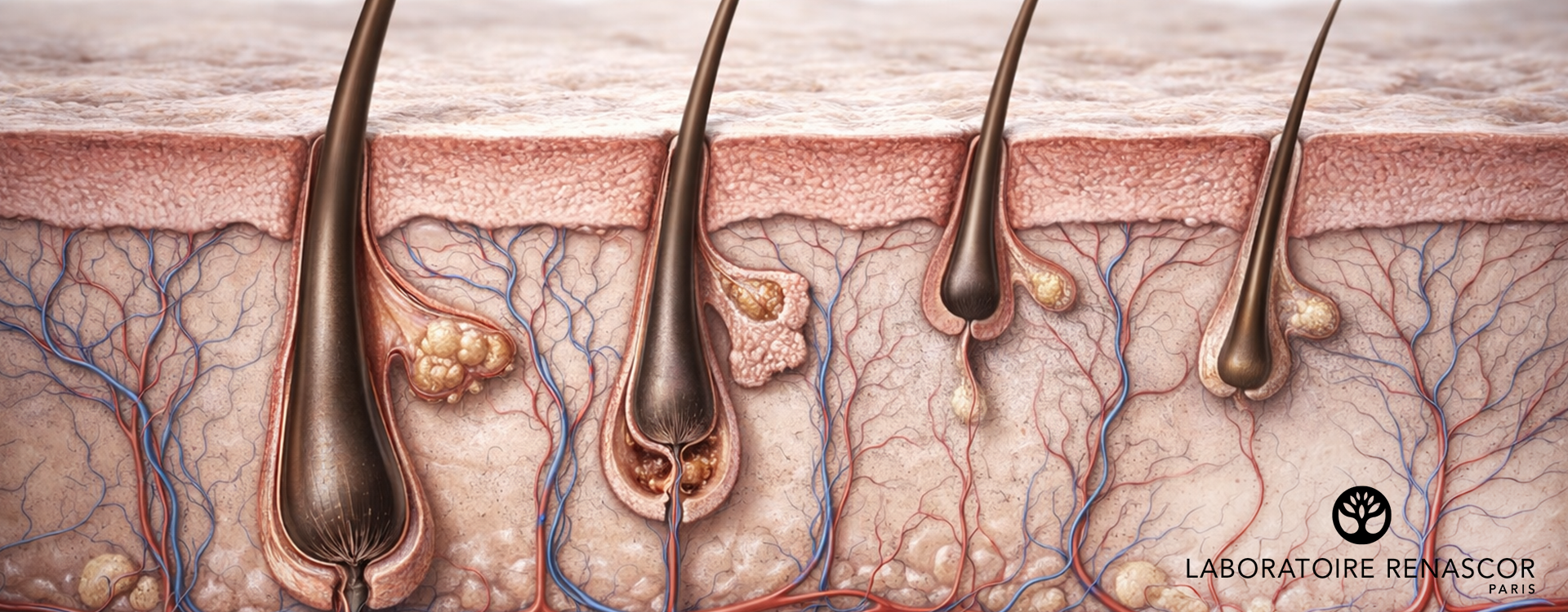
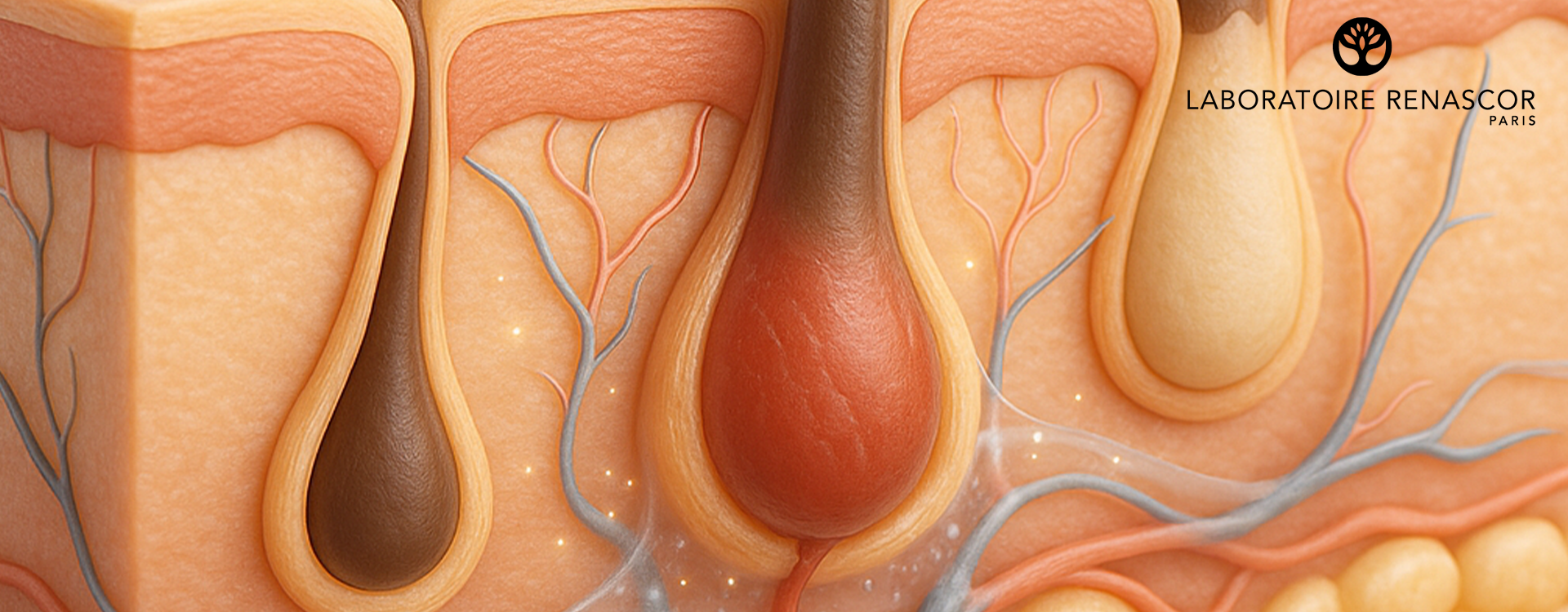
If diet protects, it alone is not enough to erase the marks left by the disease. After chemotherapy, one of the most visible trials remains hair loss. Regaining a dense, healthy head of hair is an integral part of the recovery process.
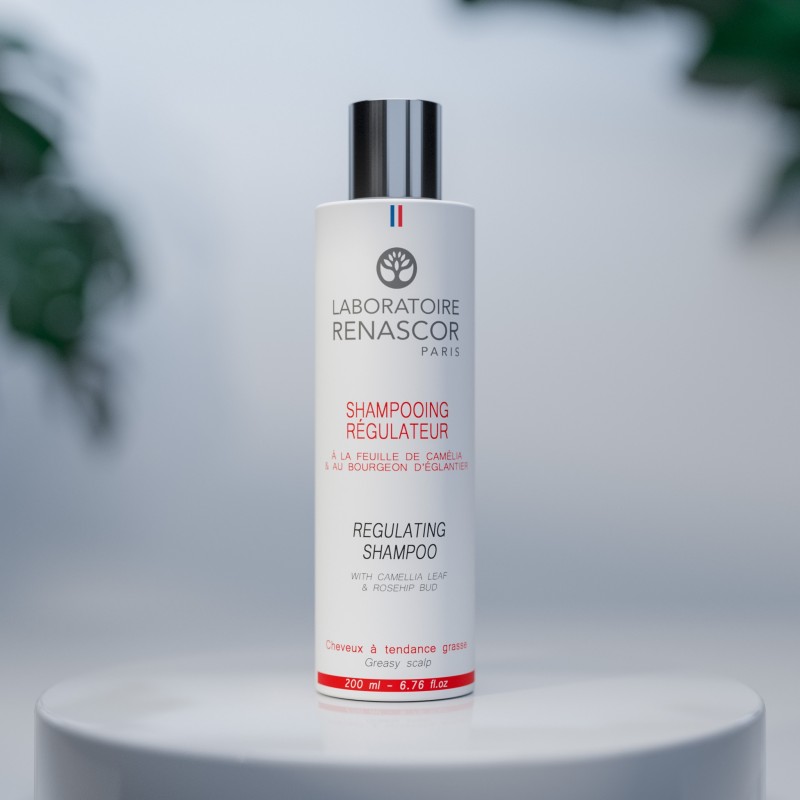
The RENASCOR Laboratory dedicates its research to this unique issue. Thanks to the REDACTIV1 & REDACTIV2 protocol, specifically designed for post-cancer regrowth, patients benefit from a clinically validated solution:
-
+13,600 hairs on average in 3 months
-
No side effects observed
-
A stronger, shinier and denser hair fiber
Thus, better eating prepares and protects the body, while innovative treatments make it possible to regain hair and, with it, confidence and quality of life.
Conclusion
Processed meats, however tasty they may be, remain a proven risk factor for health, particularly regarding colorectal and stomach cancer. The best strategy relies on moderation and the inclusion of protective foods in daily life.
The RENASCOR Laboratory emphasizes that prevention is essential, but that post-cancer reconstruction is just as important. Because it is not only about curing the disease, but also about regaining one’s image, energy and identity.
FAQ: processed meats and cancer
Why are processed meats considered carcinogenic?
Because of nitrites, saturated fats and cooking methods that generate carcinogenic substances.
What quantity of processed meats increases cancer risk?
From 50 g per day, the risk of colorectal cancer is significantly increased.
Are "nitrite-free" processed meats safer?
They reduce part of the risk, but remain processed meats. Their consumption should remain occasional.
Which cancers are linked to processed meats?
Colorectal cancer and stomach cancer primarily. Links with other cancers (pancreas, prostate) are under study.
What does the RENASCOR Laboratory recommend?
Limit processed meats, prioritize a diet rich in protective plant foods and, after cancer, support hair reconstruction with clinically validated treatments such as REDACTIV1 & REDACTIV2.