

Preparing for Hair Loss During Oncological Treatment: Key Steps and Solutions
Hair loss is one of the most feared side effects of cancer treatments. For many patients, it brutally symbolizes the intrusion of the disease into their personal lives. However, it is possible to anticipate this stage, experience it better, and especially promote healthy regrowth. The RENASCOR Laboratory, a world reference in post-oncological hair reconstruction, works closely with socio-hairdressers to support each woman with rigor, kindness, and expertise.
Why do treatments cause alopecia?
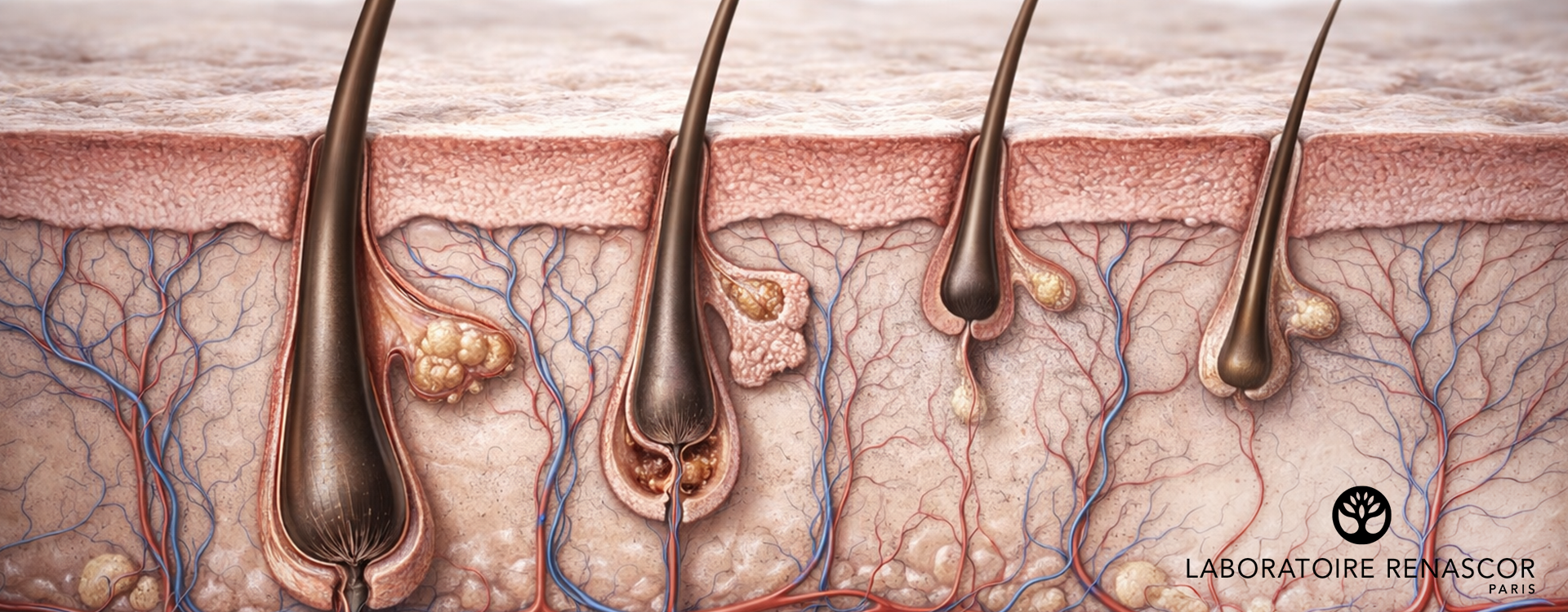
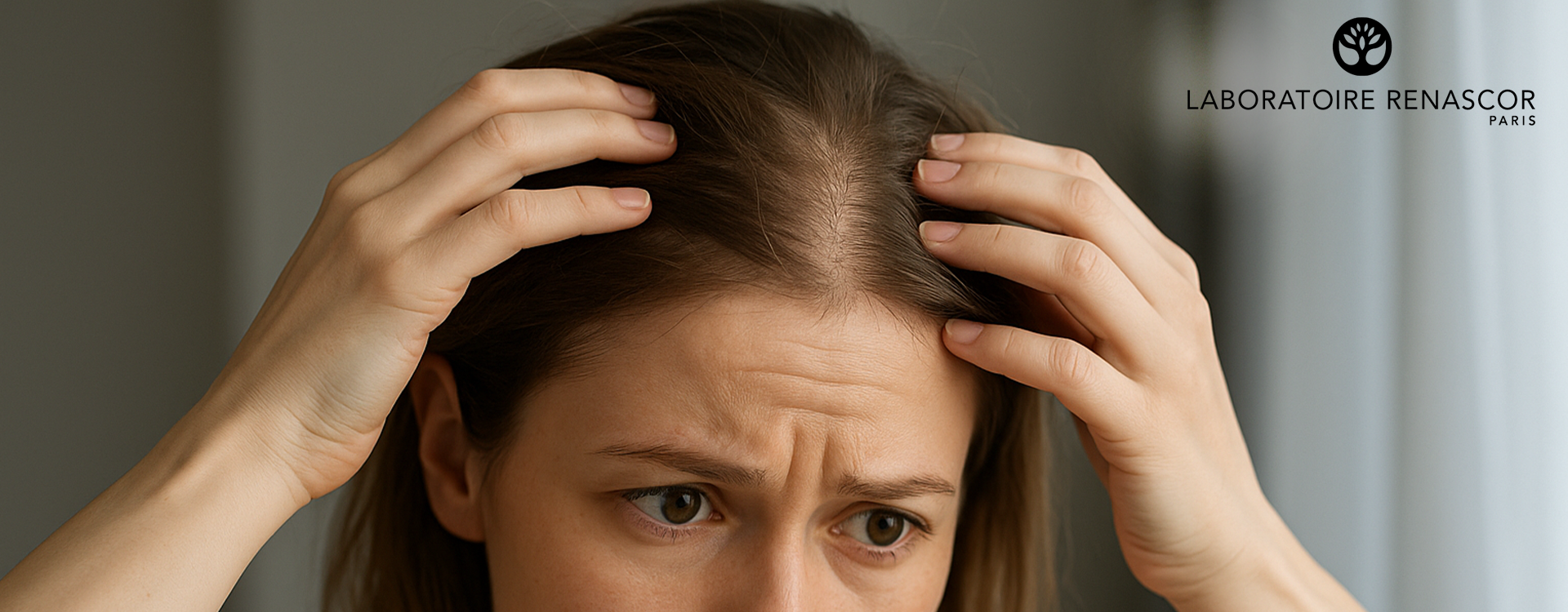
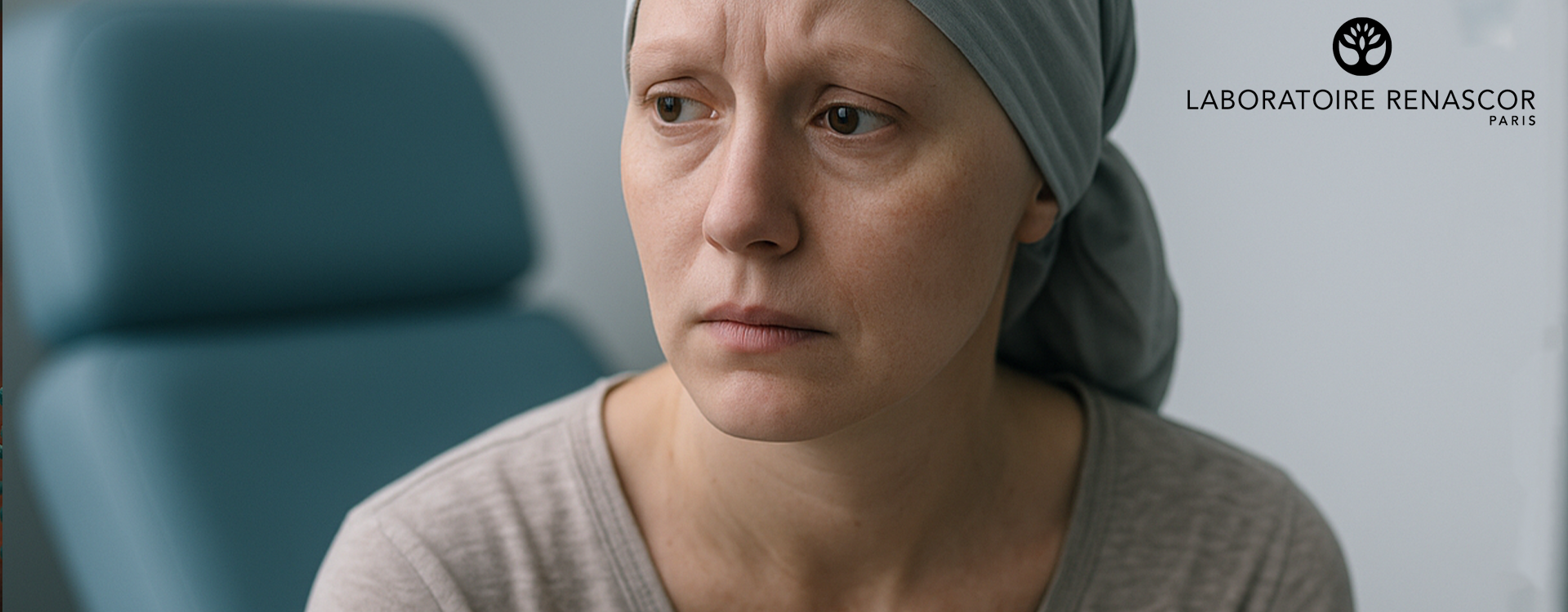
Certain chemotherapies, particularly those based on Taxotere, Cisplatin, or Cyclophosphamide, are known as severely alopecic: they target rapidly dividing cells, including those of the hair follicles. The result: a sudden, massive, and often complete hair loss, sometimes within the first ten days.
This reactive hair loss is generally unavoidable, but it can be anticipated to reduce its psychological impact.
The essential role of the socio-hairdresser in support
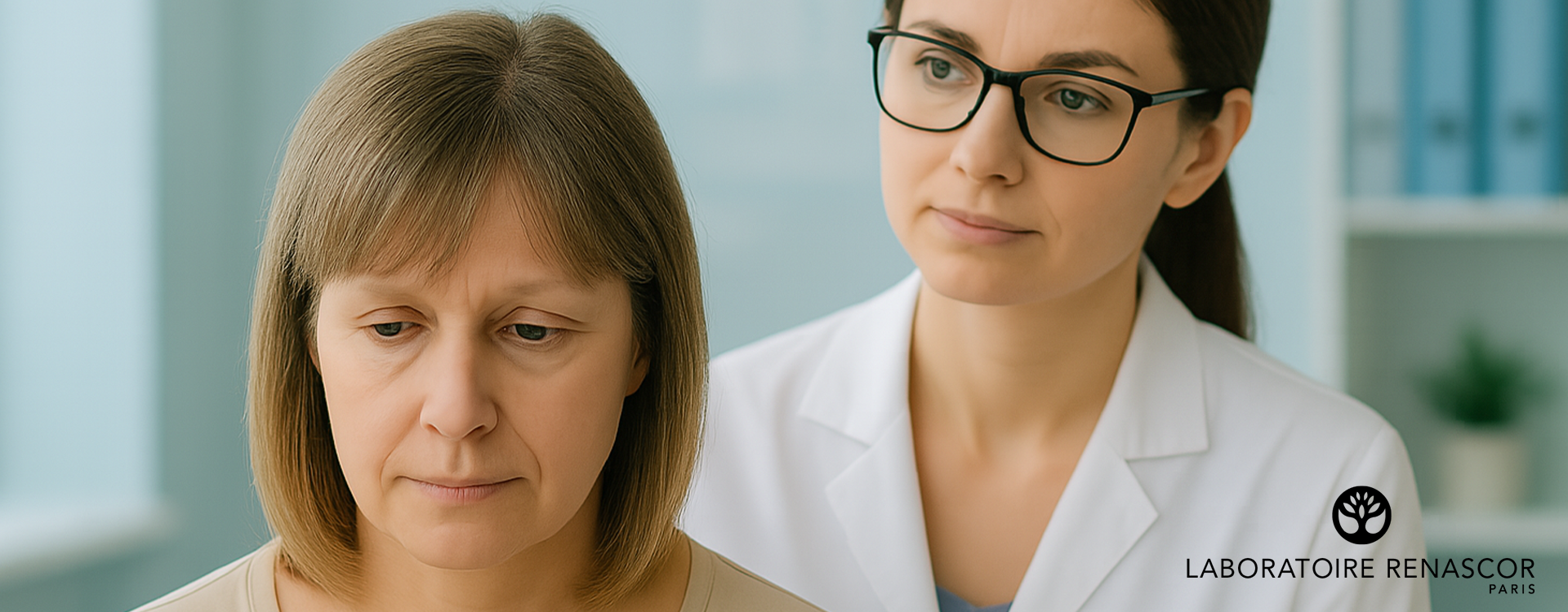
A professional trained in both aesthetic care and listening to sensitive medical journeys, the socio-hairdresser is a key link in the care pathway. Present in hospitals, care centers, or independently, she:
-
Prepares the patient for hair loss with gentleness and humanity
-
Offers transitional haircuts, tailored advice, and valuable listening
-
Works directly with the RENASCOR Laboratory to initiate the hair protocol at the right time
-
Ensures post-chemotherapy follow-up and supports hair regrowth over the weeks
Key steps to better cope with hair loss
1. Anticipate before treatment
As soon as the oncological protocol is announced, the patient can be put in touch with a socio-hairdresser partner of the RENASCOR Laboratory to lay the foundations for personalized support.
2. Adopt a preparatory haircut
Cutting hair before it falls helps to reduce visual shock, reclaim one's image, and facilitate adaptation to turbans or prostheses.
3. Soothe the scalp during alopecia
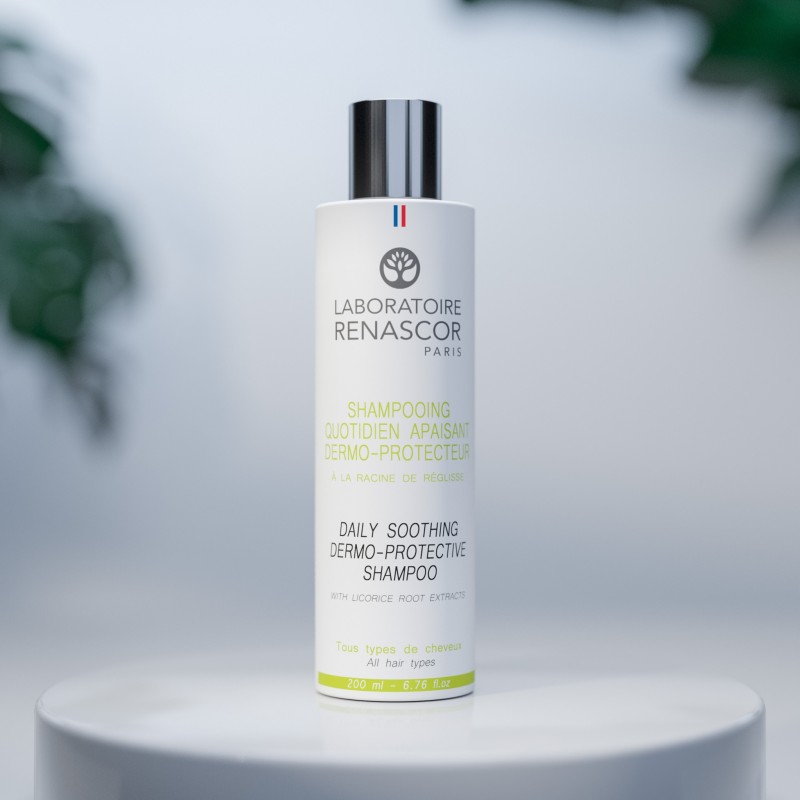
During the alopecia phase, the scalp may become sensitive, dry, or uncomfortable. Simple gestures and appropriate care can prepare for regrowth under the best conditions.
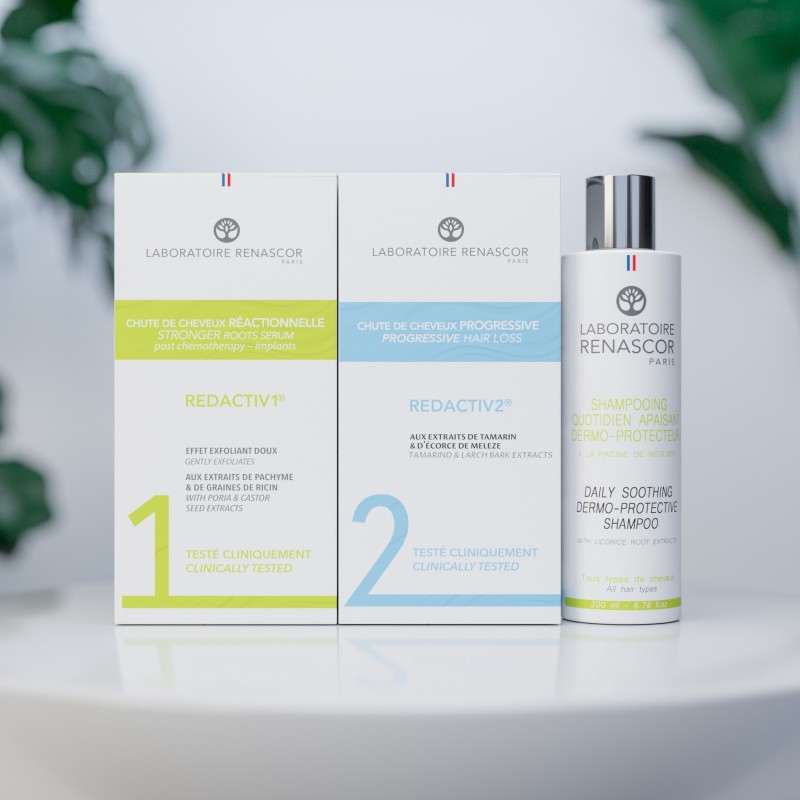
REDACTIV1: the reference care after chemotherapy
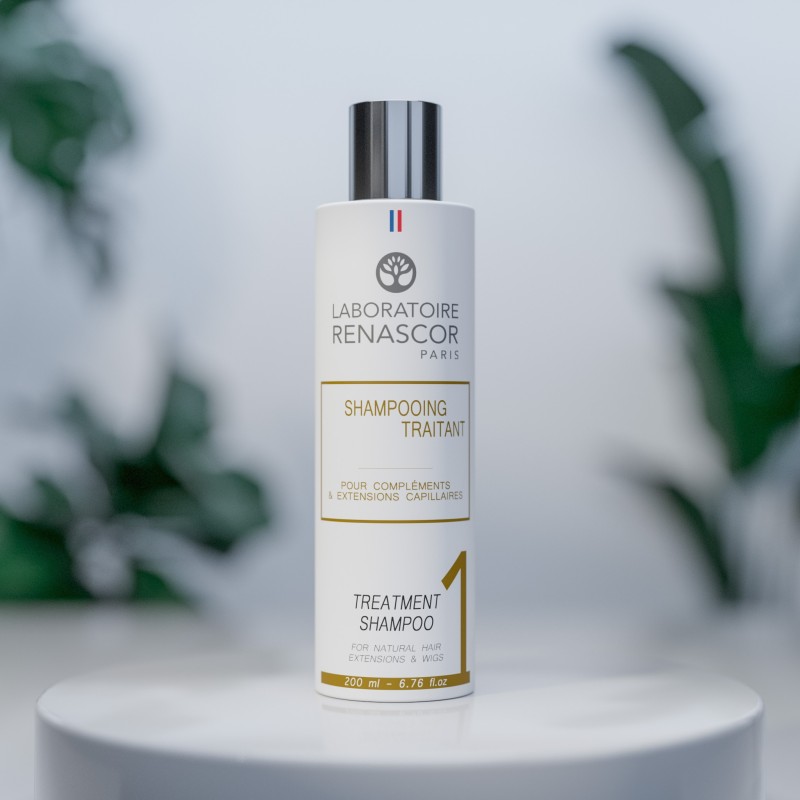
From the 10th day after the last injection, the REDACTIV1 protocol can be launched under the supervision of the socio-hairdresser. This unique treatment, developed by the RENASCOR Laboratory, promotes rapid, healthy, and homogeneous regrowth, even after the most aggressive chemotherapies.
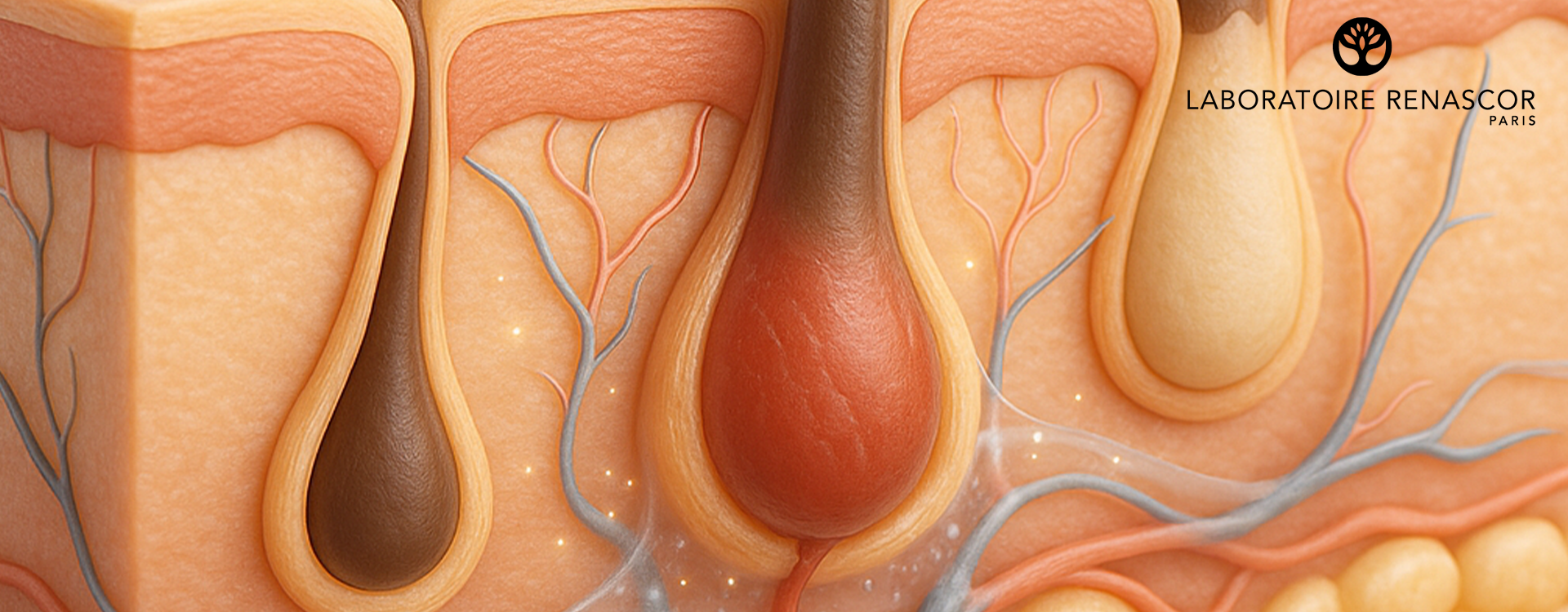
With an exclusive formulation, tested in a post-oncological context, REDACTIV1 stimulates the stem cells of the hair bulbs and reactivates growth without irritating the scalp.
REDACTIV2: the natural continuation of the RENASCOR protocol
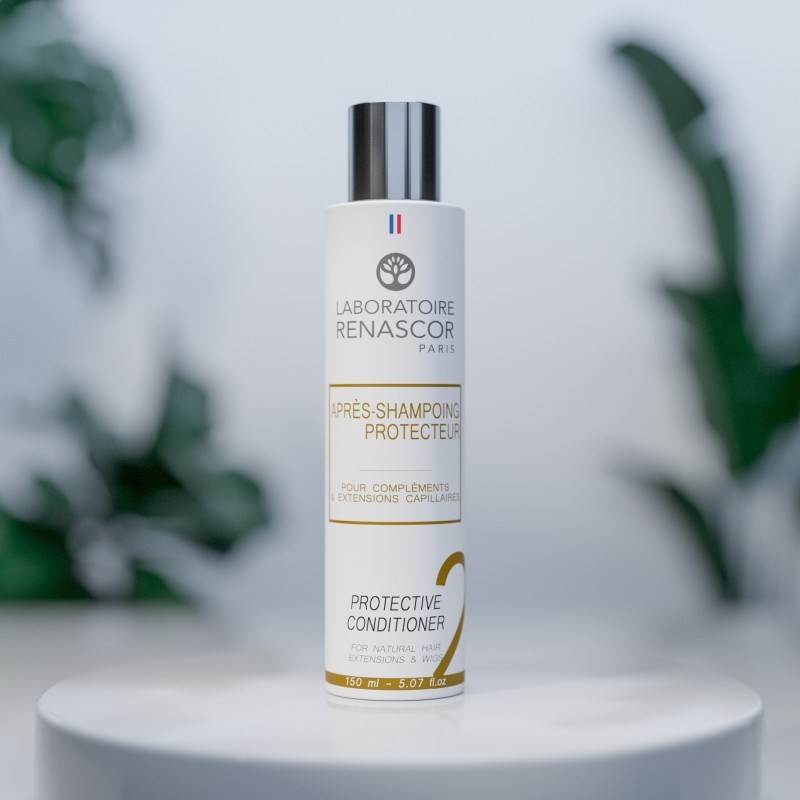
Three months after starting REDACTIV1, the transition to REDACTIV2 allows for consolidating density, strengthening the fiber, and stabilizing regrowth over time. This continuity is essential for rebuilding durable hair, even in cases of initial fragility.
A recognized expertise, a human support
The RENASCOR Laboratory works alongside hundreds of socio-hairdressers throughout France and worldwide. Together, we provide rigorous, humane, and respectful support, focused on post-cancer hair reconstruction.
Our mission: to enable each patient to regain their hair and, with it, a part of their confidence and identity.
Conclusion
Preparing for hair loss is already initiating rebirth. Thanks to the expertise of the RENASCOR Laboratory, the commitment of socio-hairdressers, and the specific hair treatments REDACTIV1 and REDACTIV2, this painful stage can become the first milestone in a peaceful and positive reconstruction journey.