

Living well with alopecia: testimonials and advice
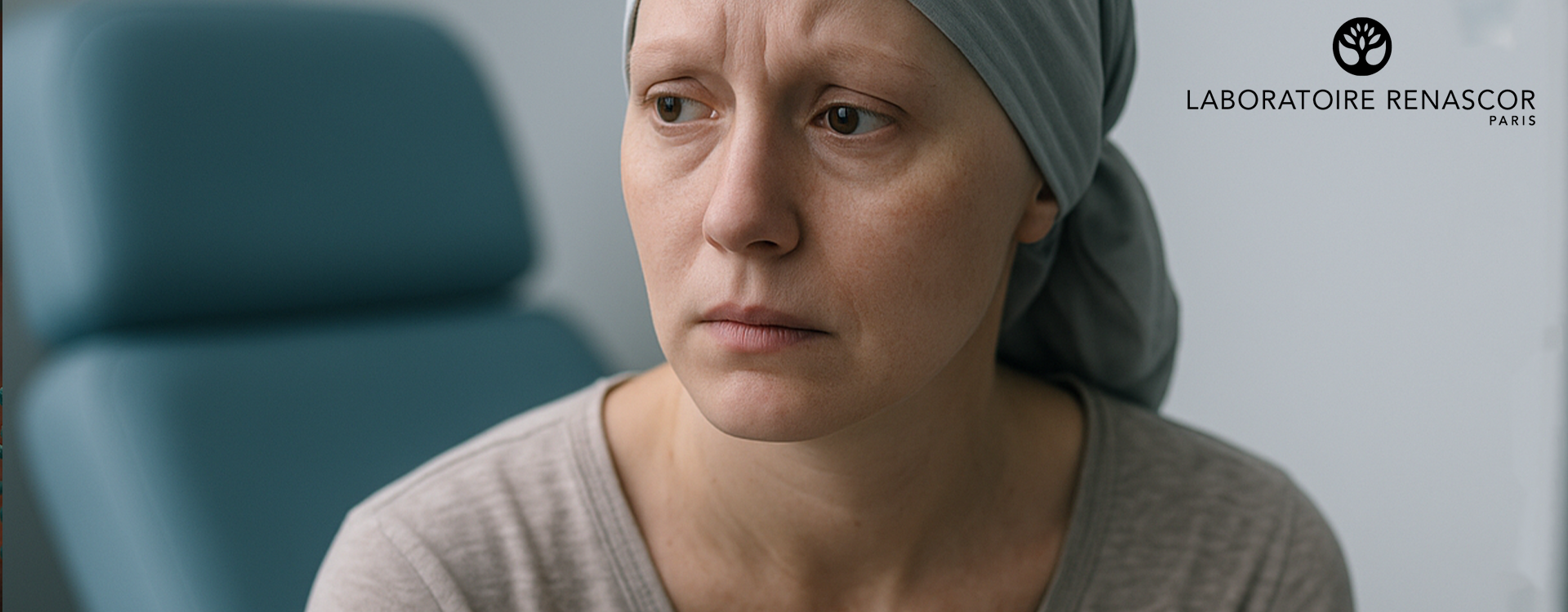
Living with alopecia, whether partial or total, is a true emotional and psychological challenge.
Hair loss disrupts self-image and can affect confidence, social life, and inner balance.
At Laboratoire RENASCOR, a world expert in post-oncological hair reconstruction, we know this stage requires more than a treatment: it calls for human support, a compassionate outlook and concrete solutions to restore confidence.
Patient testimonials about their journeys of renewal
Marie, 34 years old
“At first, I felt great sadness at losing my hair. But thanks to the support of professionals and appropriate care, I learned to accept my new image and to feel beautiful again.”
Yasmine, 28 years old
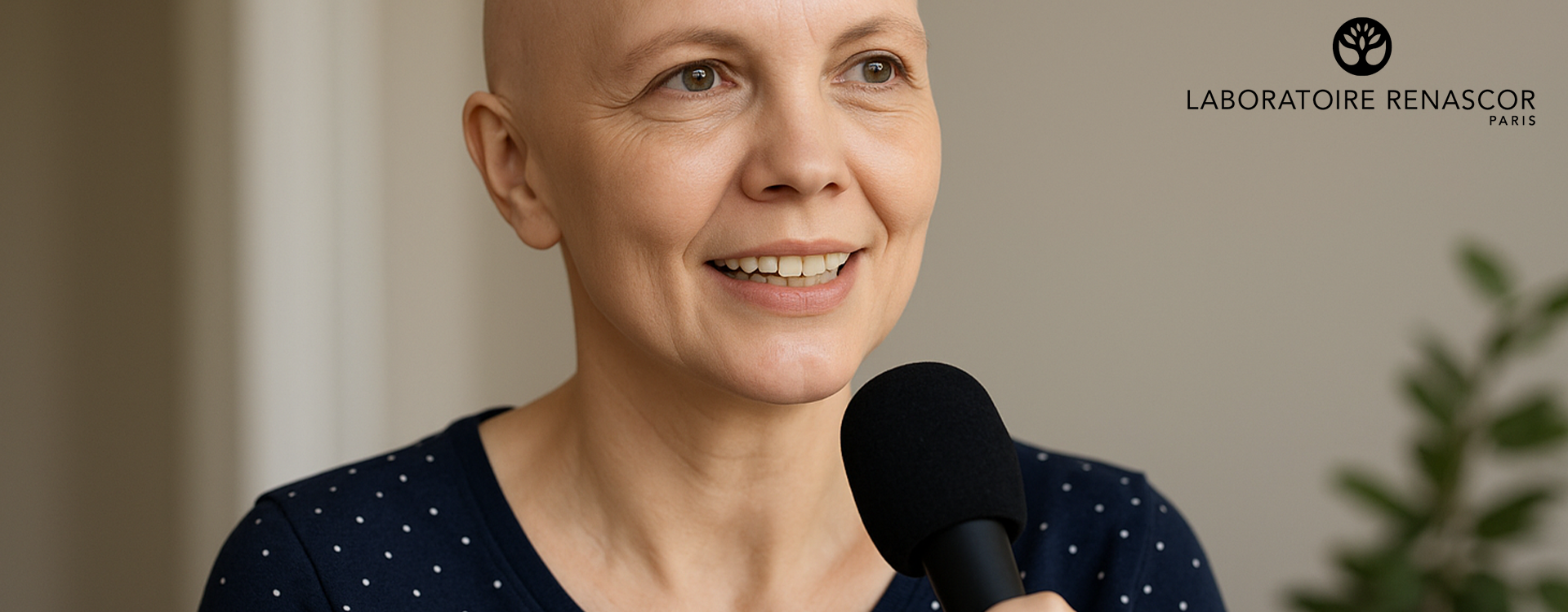
“Alopecia took me by surprise. I decided to share my journey on social media. It allowed me to meet other people in the same situation, and to understand that beauty does not depend solely on hair.”
Clara, 41 years old
“I discovered hair reconstruction treatments that gave me my confidence back. Every day, I feel stronger, more serene, and in harmony with myself.”
These testimonials show that beyond treatment, it is self-perception that becomes the true driver of well-being.
Advice for living better with alopecia
1. Establish an appropriate care protocol
Each type of alopecia requires a specific approach. Consulting a specialist makes it possible to identify suitable solutions: topical treatments, regenerating serums, or follicular stimulation protocols such as those developed by Laboratoire RENASCOR.
2. Join a support group
Sharing your experience with others affected helps break isolation. Local or online groups allow you to exchange advice, tips and encouragement.
3. Practice self-care
Massage, relaxation, yoga, meditation… Taking care of yourself promotes better psychological balance and improves blood circulation, which is beneficial to the scalp.
4. Adopt a positive attitude
Alopecia does not erase beauty. Cultivating self-love, highlighting other aspects of your appearance and celebrating every improvement are essential steps toward acceptance.
The benefits of RENASCOR hair care
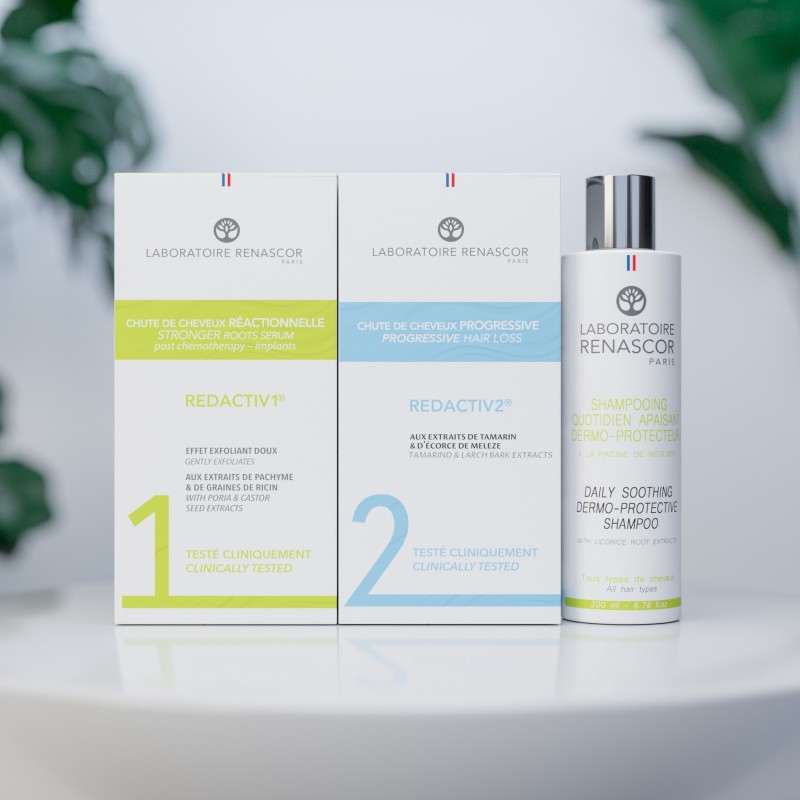
The treatments from Laboratoire RENASCOR have been designed to support hair renewal in the most demanding situations, notably after medical treatment or in cases of progressive alopecia.
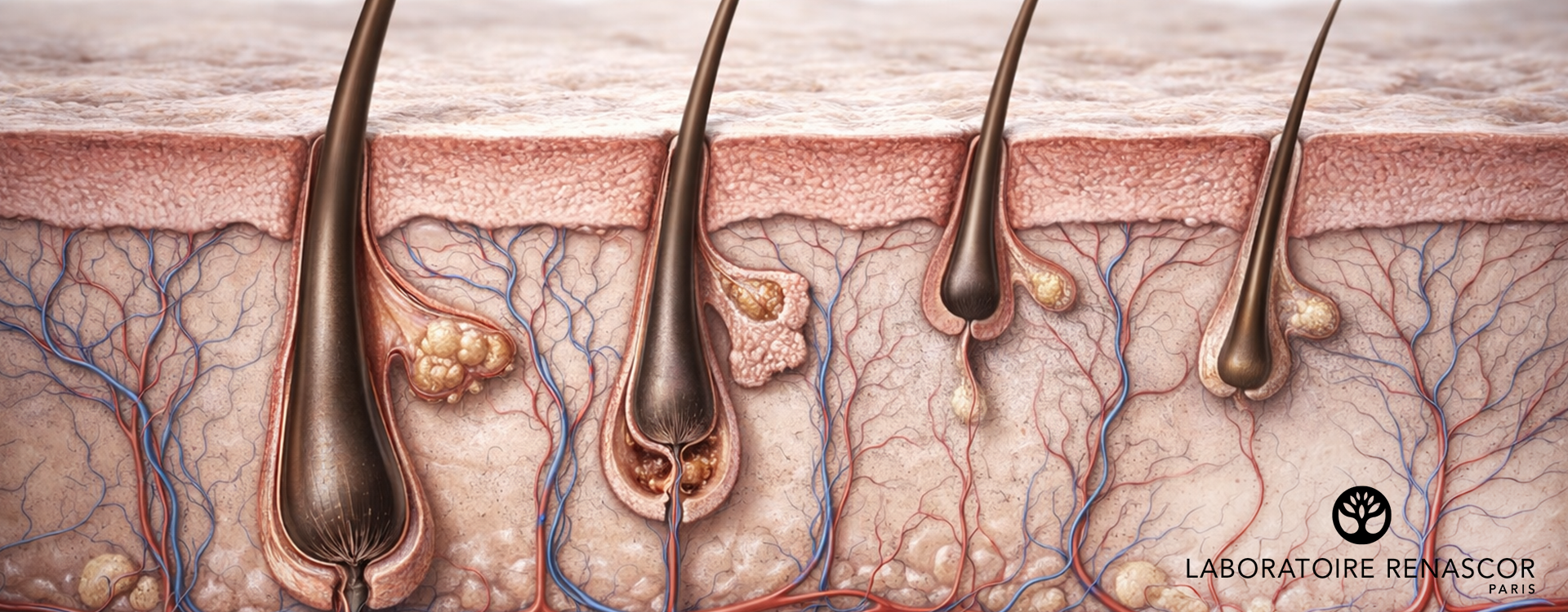
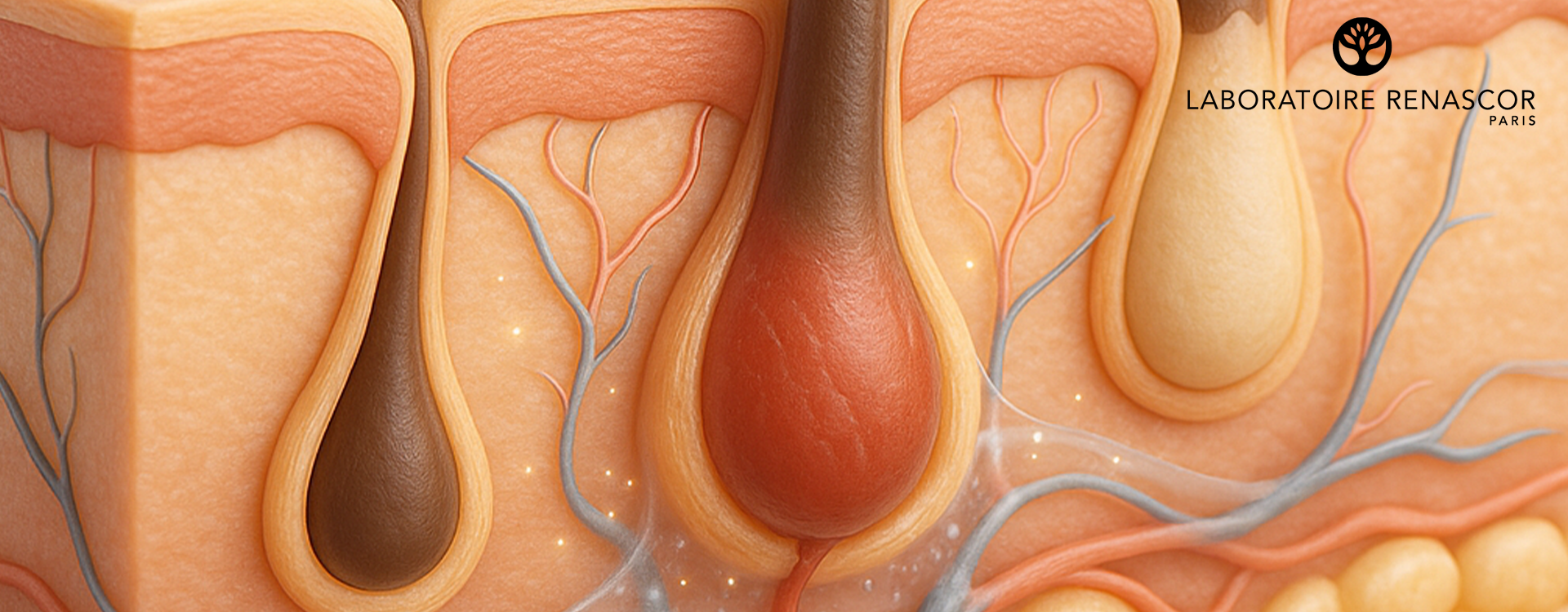
They act simultaneously on the scalp, the hair follicles and the new hair fiber to restore a biological balance conducive to regrowth.
Key benefits:
-
Repair and soothing of a sensitized scalp,
-
Reactivation of follicular growth,
-
Visible improvement in density and vitality,
-
Progressive restoration of self-esteem.
Conclusion: regaining confidence, step by step
Alopecia does not define a person's beauty; it reveals their strength.
With the right support, an adapted routine and a compassionate view of oneself, it is possible to transform this ordeal into a journey of renewal.
Each day is a new opportunity to learn to love yourself differently — and Laboratoire RENASCOR is by your side to guide you on this path.
Meta title (60 characters)
Living well with alopecia: RENASCOR tips & testimonials
Meta description (160 characters)
Discover how to overcome alopecia with the care from Laboratoire RENASCOR, a world expert in regrowth and hair reconstruction.
Simplified URL/living-well-with-alopecia-tips-renascor
Short description (blog excerpt)
Losing your hair can be a challenge, but it is not the end. With the support of Laboratoire RENASCOR, a world expert in hair reconstruction, it is possible to regain balance, confidence and beauty.
Would you like me to add a realistic illustration image, in the same tone as the previous article (1920x1080 format, soft lighting, welcoming laboratory atmosphere)?