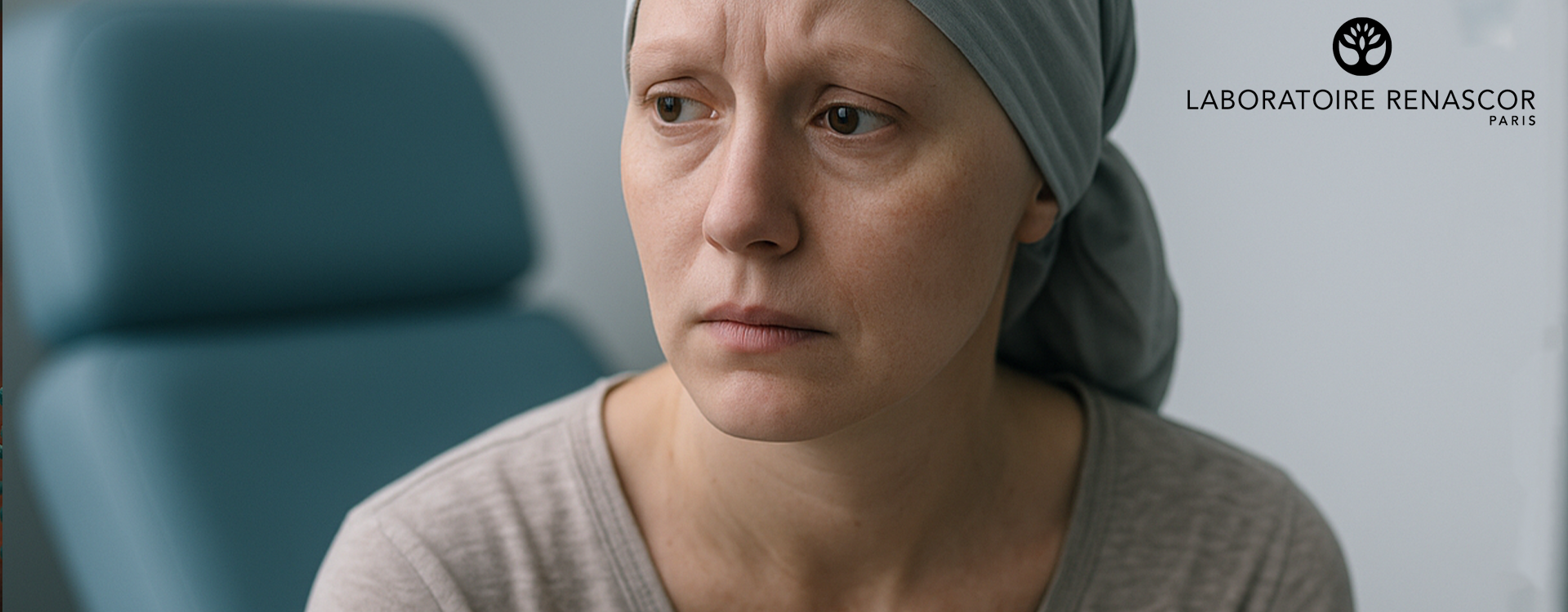


How to support a loved one diagnosed with cancer: practical and compassionate advice
When a loved one receives a cancer diagnosis, it is a real shock. Behind the word "patient" there is a mother, a father, a partner, a friend. For relatives, a feeling of powerlessness sets in: what to say, what to do, how to help?
Support is still essential, because it influences morale, energy and sometimes even the way the illness is experienced.
At Laboratoire RENASCOR, we know how important a patient's support network is. Here are some keys to being a steady pillar during this difficult journey.
1. Receive the news with calm and presence
Learning of a cancer diagnosis is a traumatic experience. Reactions vary, but the essential thing is to stay in control. Too much emotion (panic or forced enthusiasm) can increase anxiety. The best support: be present, genuine and attentive.
2. Listen before advising
Words of encouragement are valuable, but they should come after listening. Let your loved one express their fears, anger and doubts. Asking simple questions shows that you are concerned and engaged.
3. Provide practical daily support
Cancer weakens the body and mind. Your role can be varied :
-
attend medical appointments with them,
-
ask questions when the patient's energy is lacking,
-
be their ears and memory when medical explanations are too overwhelming.
This involvement reduces anxiety and reinforces the feeling that they are not alone.
4. Break taboos and maintain the dialogue
Avoiding the subject for fear of causing anxiety is a frequent mistake. Talking regularly about the illness, but also about everyday life, helps maintain a relationship of trust. The patient thus knows they can confide without reserve.
5. Offer moments of escape
Encouraging light activities, sharing moments of closeness (a massage, a walk, a cultural outing), helps maintain a social and emotional life outside of cancer. These moments of normalcy are therapeutic.
6. Managing the helplessness and fatigue of loved ones
Supporting someone who is ill can be exhausting. Recognizing your limits, discussing them with kindness, and accepting help is essential. Organizations such as the Ligue contre le cancer, Mon Réseau Cancer du Sein and Aidant Attitude offer support groups and psychological help.
7. Replenish yourself to better help
You can only give energy if you have it yourself. Keep living, going out, and pursuing hobbies. Preserving your balance is also preserving your ability to be a good support.
In conclusion
Being at the side of a loved one diagnosed with cancer is not about finding the perfect words or doing everything for them. It is being there, listening, supporting and sharing. It is a trial that puts relationships to the test, but it can also strengthen them deeply.
At Laboratoire RENASCOR, we affirm that loved ones are an integral part of the path to recovery. Their role is as valuable as the treatments themselves.