


Perfect 👍 Thank you for this text. Here is an enhanced, SEO-optimized version refocused on positioning the RENASCOR Laboratory as a world expert in hair regrowth after chemotherapy.
Hair and chemotherapy: answers to the most frequently asked questions
At the RENASCOR Laboratory, we specialize in hair loss and regrowth related to cancer treatments.
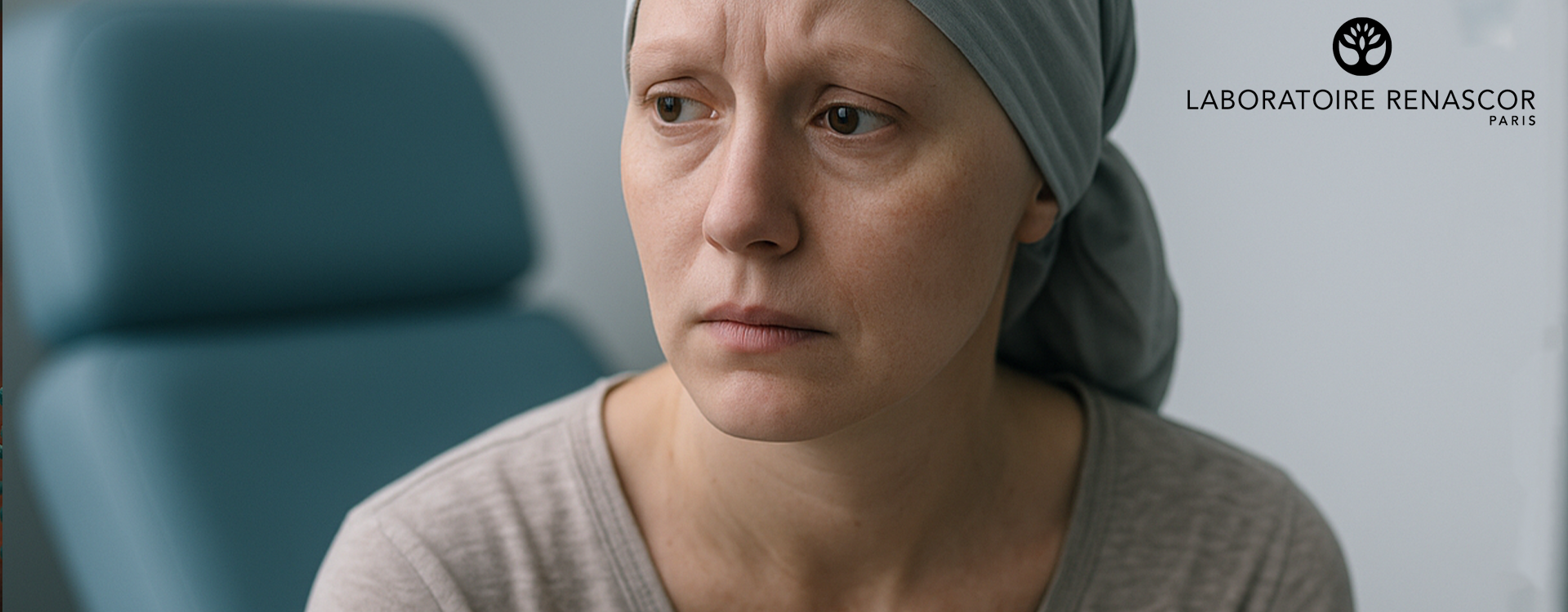
Hair loss, also called alopecia, is one of chemotherapy's most feared side effects. Here are the answers to the questions we receive most often, to support you with kindness and expertise.
Is hair loss inevitable after chemotherapy?
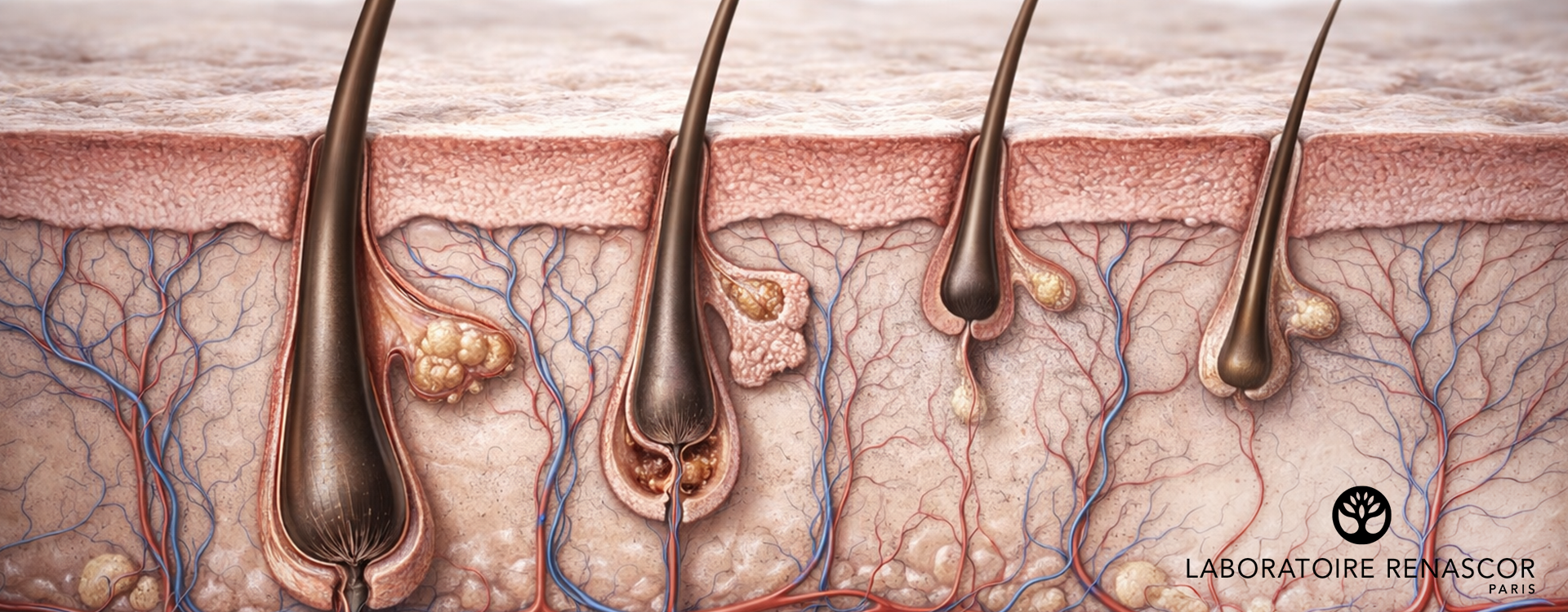
Chemotherapy targets all rapidly dividing cells, including those of the hair follicles. Result: alopecia occurs in 90% of cases, and always with the protocols used for breast cancer.
👉 In 15% of cases, regrowth is spontaneous and satisfactory.
👉 In 85% of cases, an intervention is necessary because the hair grows back thinner, more sparse, or with a different texture.
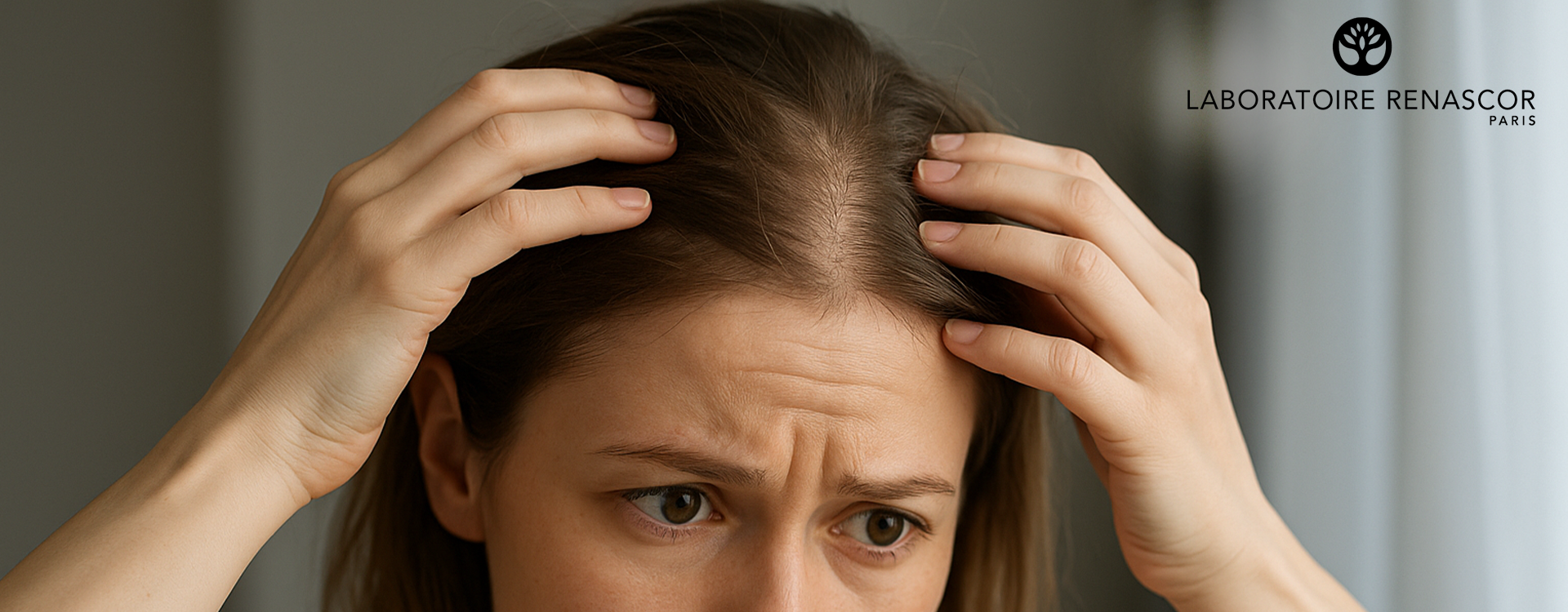
At RENASCOR, we remind that the loss is temporary in the majority of cases, but it often leaves a deep emotional mark, as it directly affects self-image.
Should hair loss be anticipated?
Yes, absolutely.
-
Hair loss often begins between the 2nd and 3rd week of treatment.
-
It may be accompanied by itching or painful sensations (tingling, sensitive scalp).
-
Preparing psychologically and practically reduces the emotional shock.
Our experts recommend a gradual approach: switch to a short haircut and then very short, in order to prepare your loved ones, your children and yourself for this stage.
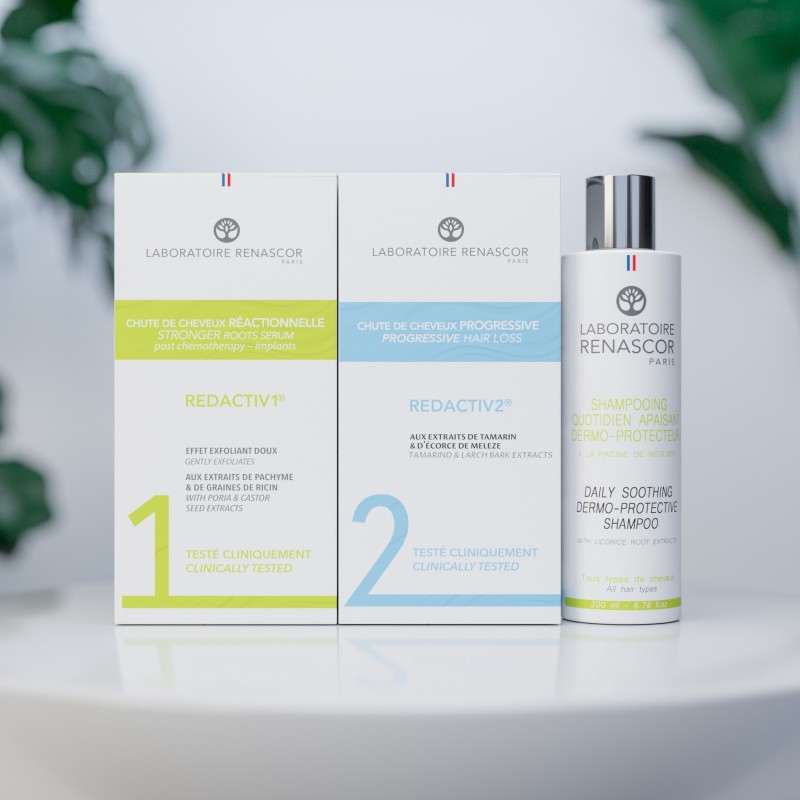
We also recommend anticipating the purchase of regrowth treatments. Having a bottle of REDACTIV1® in the bathroom, from the start of chemotherapy, provides strong psychological support: it is a symbol of hope and rebirth.
Should I wear a wig?
Wearing a wig or a scarf is a personal choice.
-
High-quality medical wigs (e.g., Any d’Avray, NJ Créations) offer a very natural look.
-
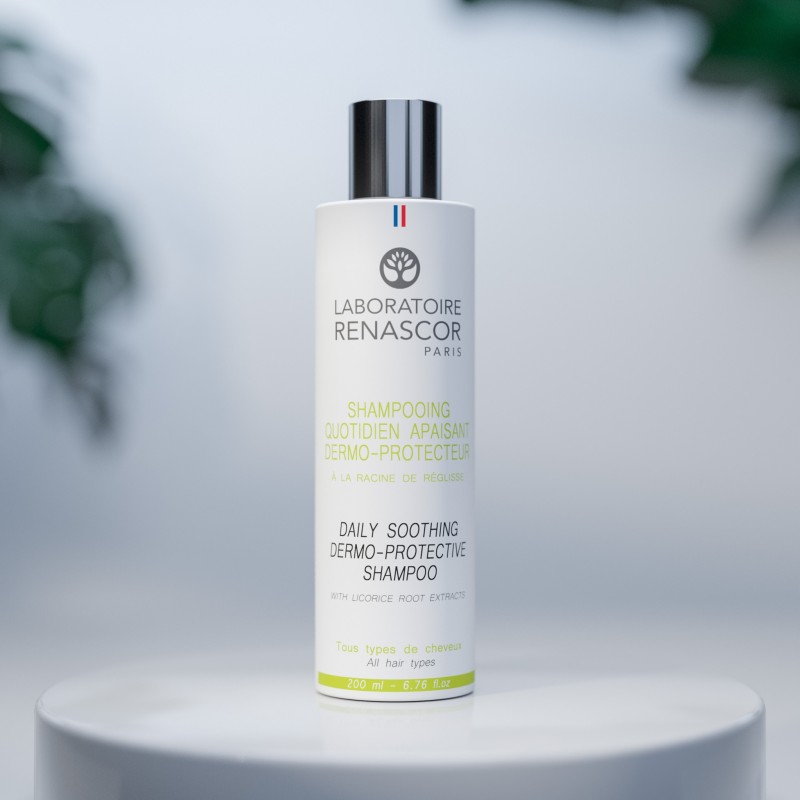
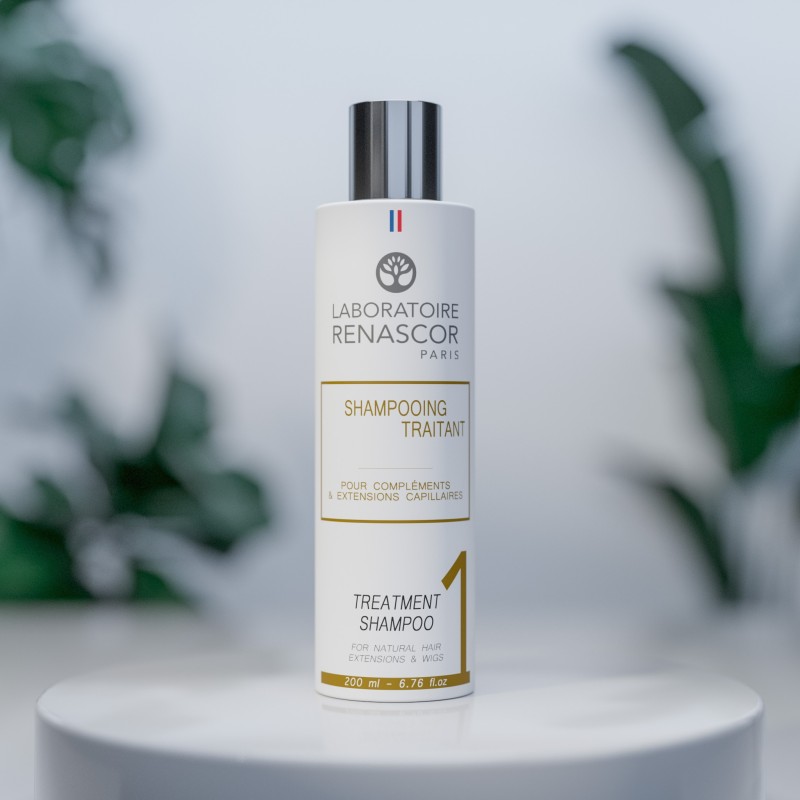
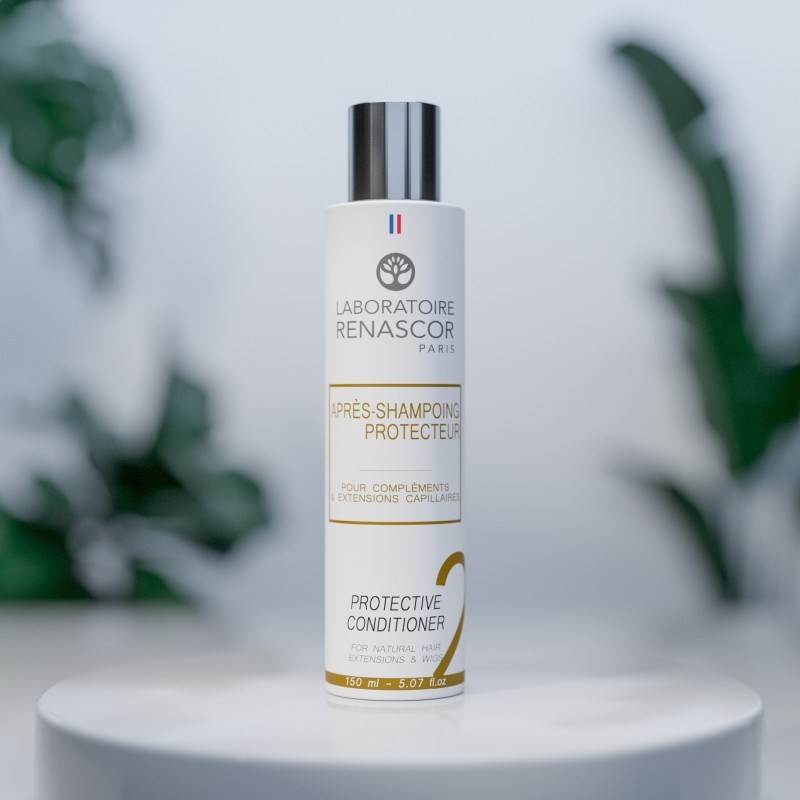
They require appropriate care (gentle shampoos, specific styling sprays, cooling lotions).
-
In windy areas, hypoallergenic adhesives can be used to ensure a perfect hold. You can find them on NosCheveux.com
For those looking for an alternative, scarves and turbans are practical, breathable and elegant.
Beyond aesthetics, these solutions provide thermal protection and essential psychological comfort.
When can I recolor my hair after chemo?
The priority is first to achieve solid regrowth.
-
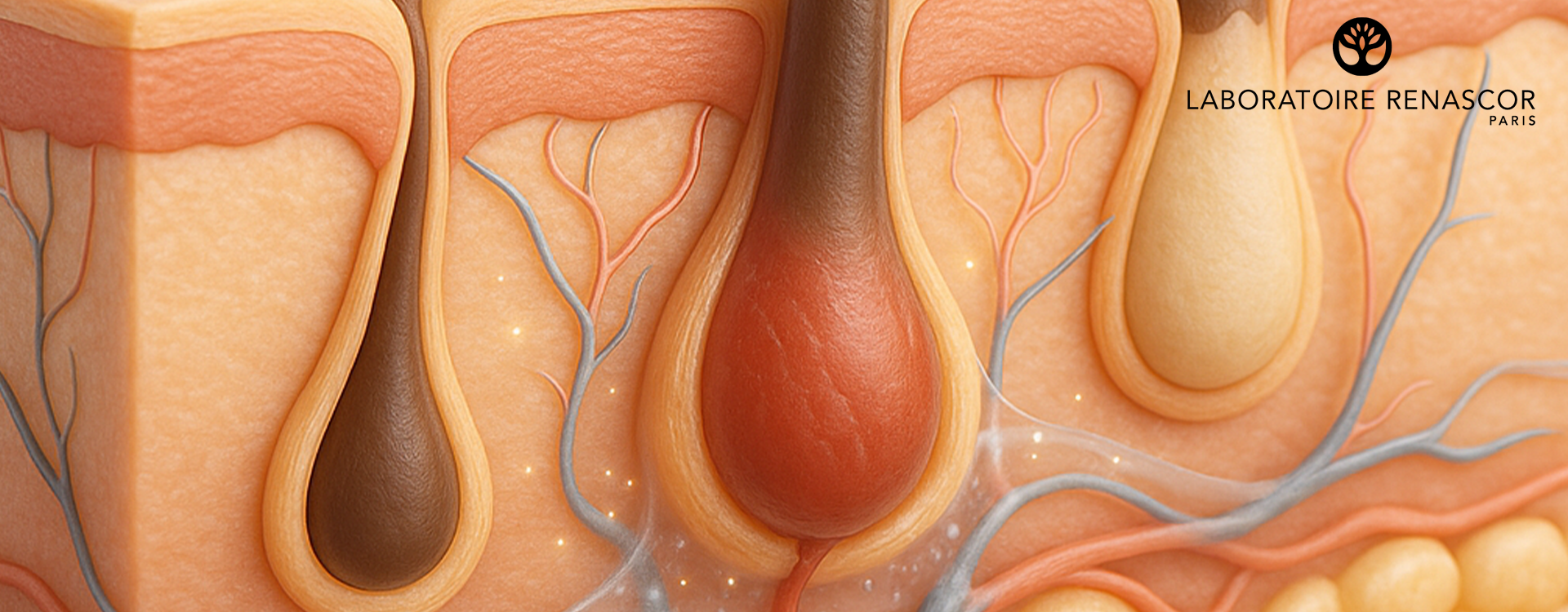
Our REDACTIV1® and REDACTIV2® protocols promote the reactivation of dormant bulbs, faster growth and stronger hair.
-
Once quality and density are restored, it is advisable to wait 3 to 4 months before re-dyeing.
-
We recommend avoiding aggressive "vegetal" dyes and favoring emulsions without oxidants or ammonia to protect the weakened scalp.
The role of the RENASCOR Laboratory
Since 2017, we have created the first worldwide post-chemotherapy regrowth protocol. Our expertise is based on :
-
Scientifically validated treatments, adapted to each phase (smooth scalp with REDACTIV1®, hair ≥ 1 cm with REDACTIV2®).
-
A respectful approach to the scalp and the patient, without harming the epidermis.
-
Compassionate support, in partnership with socio-beauticians, socio-hairdressers and patient support associations.
Conclusion
Hair loss related to chemotherapy is not inevitable. With proper preparation, human support and targeted treatments, it is possible to go through this stage with more serenity and to regain hair full of strength and vitality.
The RENASCOR Laboratory, a world expert in post-chemotherapy regrowth, supports you at every stage of your hair regrowth.