


Chemotherapy and hair: how to limit hair loss and promote regrowth
Chemotherapy: an effective treatment but with heavy consequences
Chemotherapy remains one of the most commonly used treatments against cancer. In France, nearly three-quarters of patients receive it. Its goal: to prevent the proliferation of cancer cells. Drug molecules circulating in the blood block cell division, which inhibits tumor growth.
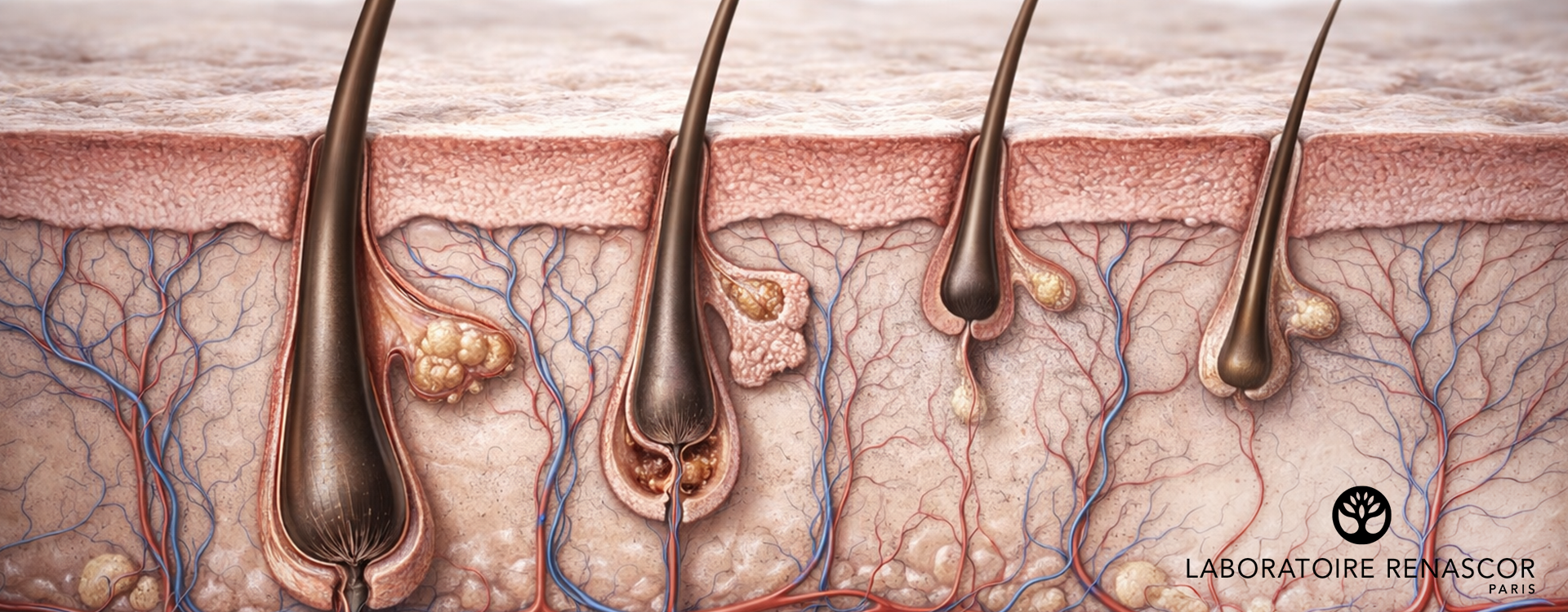
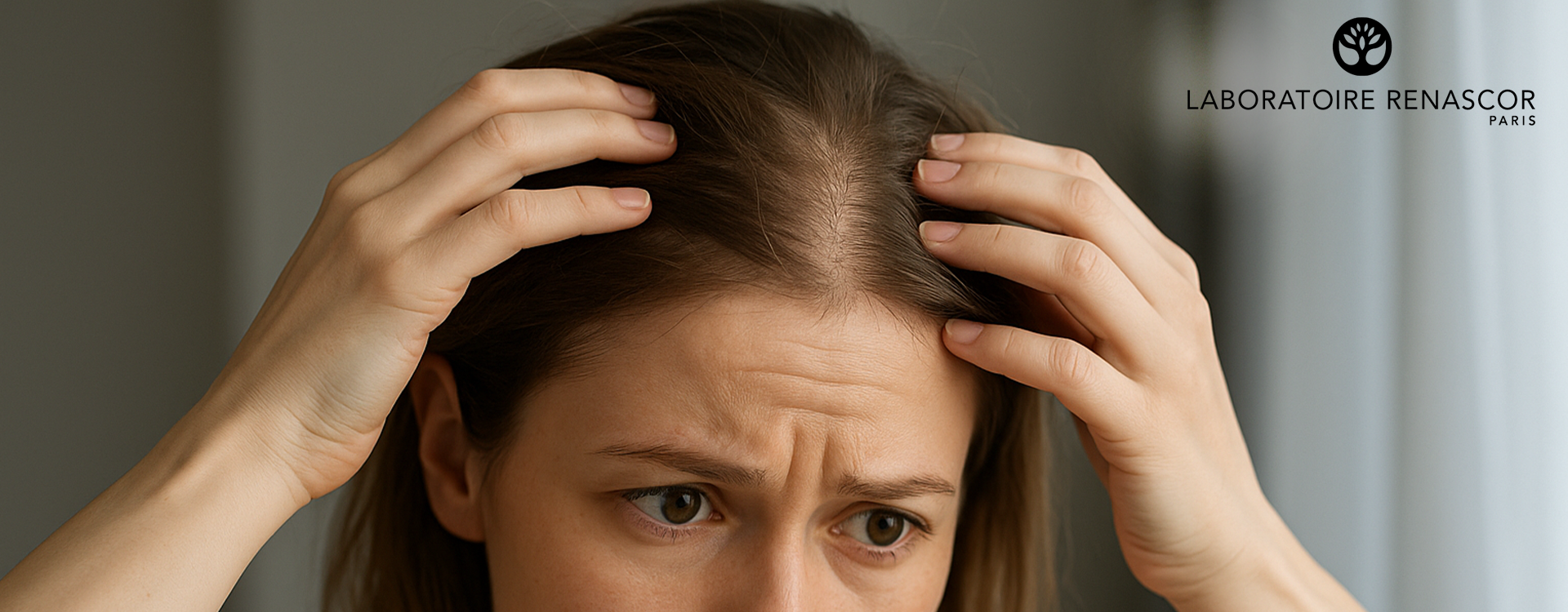
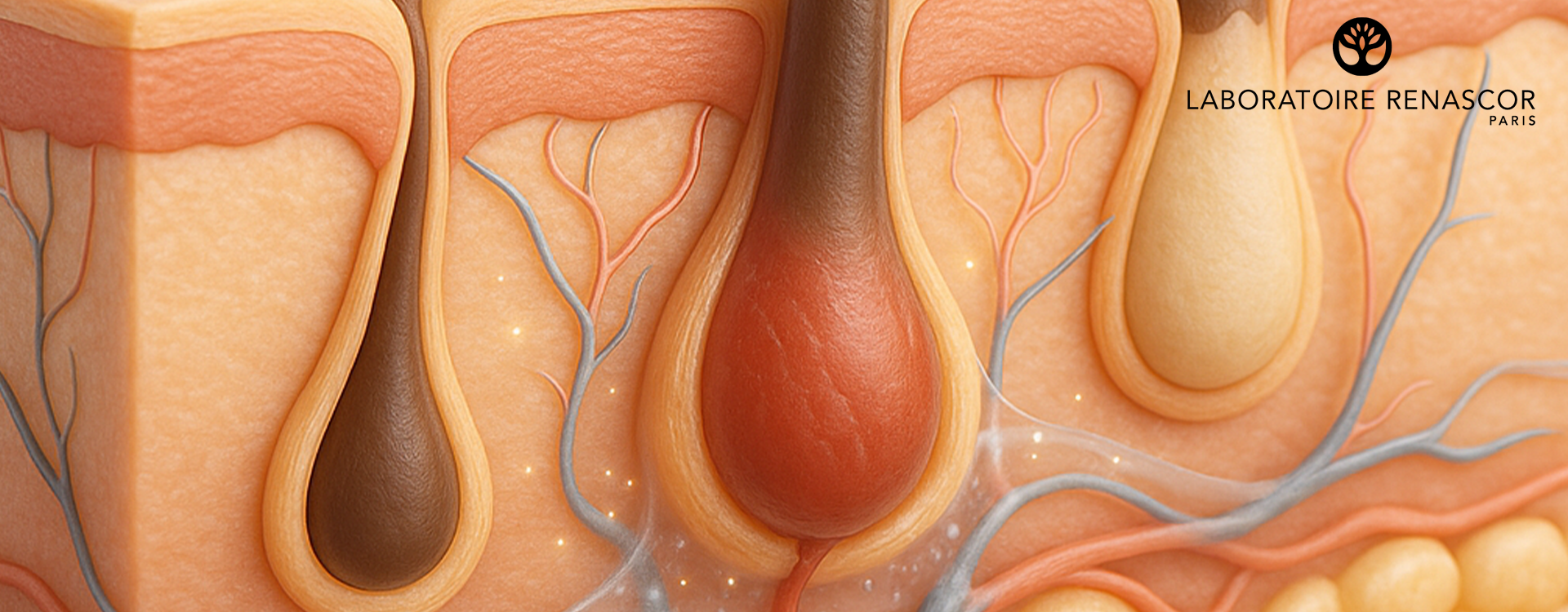
But this action is not specific. All rapidly renewing cells are affected, including those of the hair follicle. Result: a massive and progressive loss of hair, one of the most visible and feared side effects.
Preventing alopecia during treatment: the cooling cap
To limit hair loss, a solution has been proposed: the cooling cap. Its principle is based on applying cold to the scalp. By constricting blood vessels, it reduces the penetration of therapeutic molecules into the hair bulbs, which partially preserves the hair.
However, this method is controversial.
-
Its advantages: a significant reduction in alopecia, confirmed by several clinical studies.
-
Its limitations: significant discomfort, uneven results, and above all a theoretical risk of leaving cancer cells in the cooled area. In some cases, its use is strongly discouraged because it can hinder the effectiveness of the treatment. Some American studies even indicate that the cap increases the risk of recurrence.
Living with post-chemotherapy alopecia
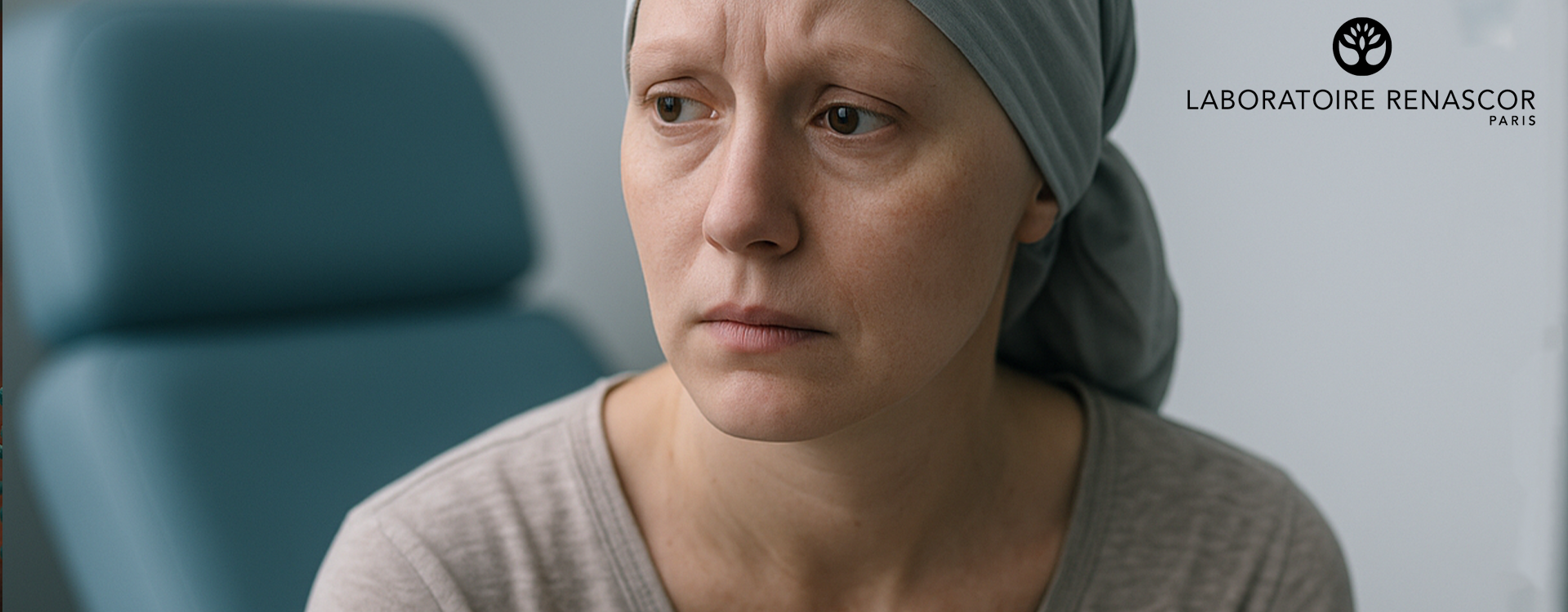
Losing one’s hair is often a major psychological ordeal. Hair is intimately linked to self-image, and its absence constantly refers back to the status of being ill, even when the cancer has been defeated.
During this delicate period, each person seeks the solution that allows them to feel better and preserve their dignity. Several options exist to support this stage:
-
Medical wigs: made of natural or synthetic hair, they offer a realistic appearance and help restore a full hair appearance.
-
Scarves and turbans: comfortable, soft, and breathable, they allow covering the scalp while adding a personal touch through patterns and fabrics.
-
Beanies, headbands and hats: practical and discreet, they provide protection and comfort for everyday life.
These alternatives help make the treatment period easier, but they remain temporary. Most patients express the same desire: to regain their own hair.
Regaining hair after chemotherapy: a new hope
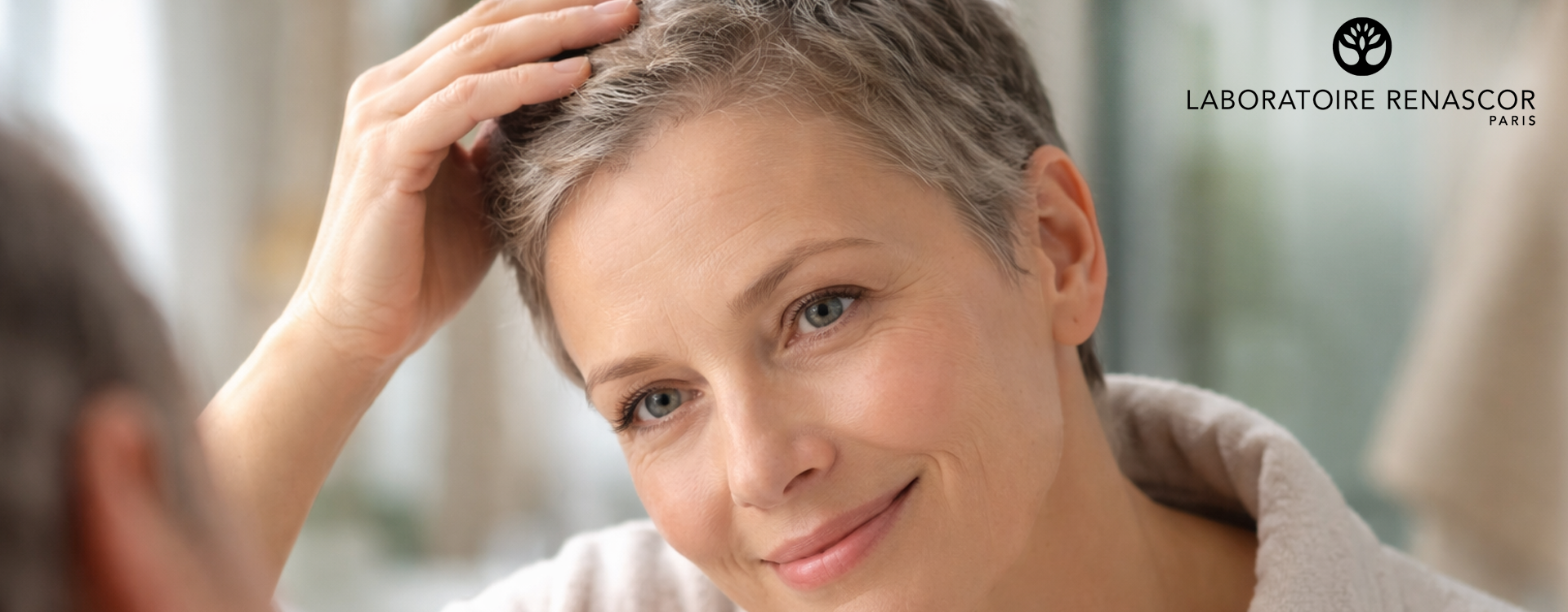
If wigs and scarves provide temporary relief, real reconstruction comes through natural regrowth. However, this can be slow, incomplete and sometimes disappointing: thinning hair, altered texture, weakened hair fiber.
Challenges of post-cancer hair regrowth
-
Regain a normal hair density after massive loss.
-
Strengthen the hair fiber, often weakened by intensive treatments.
-
Restore self-confidence, as hair plays a major role in appearance and psychological rebuilding.
The expertise of RENASCOR Laboratory
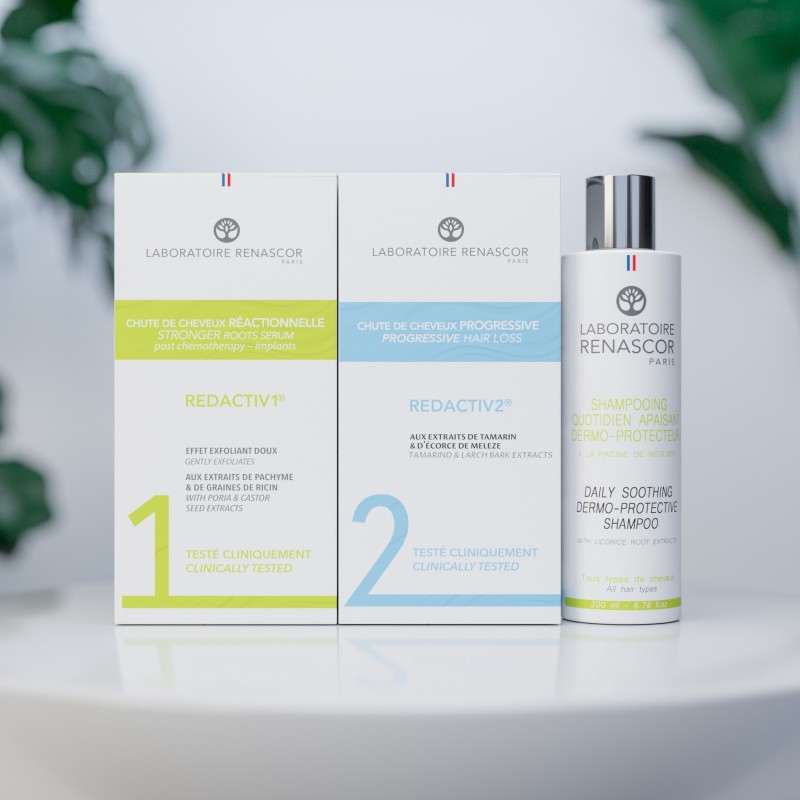
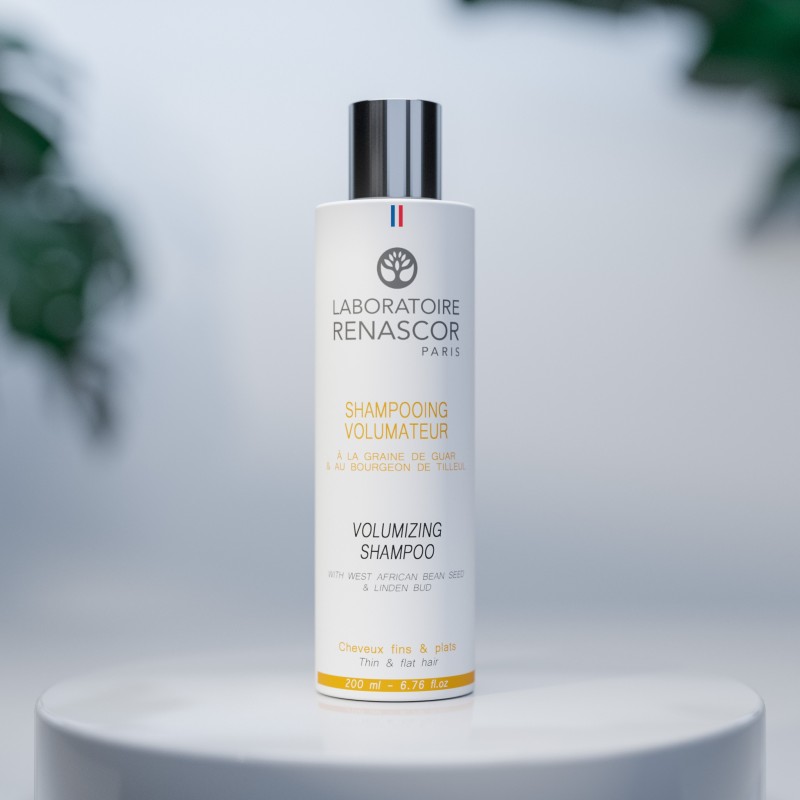
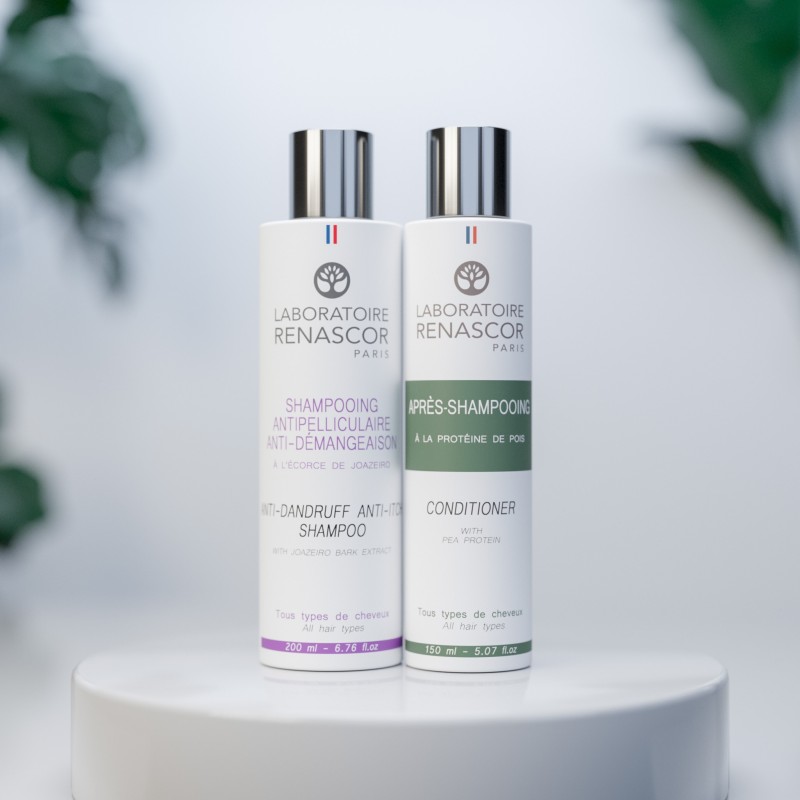
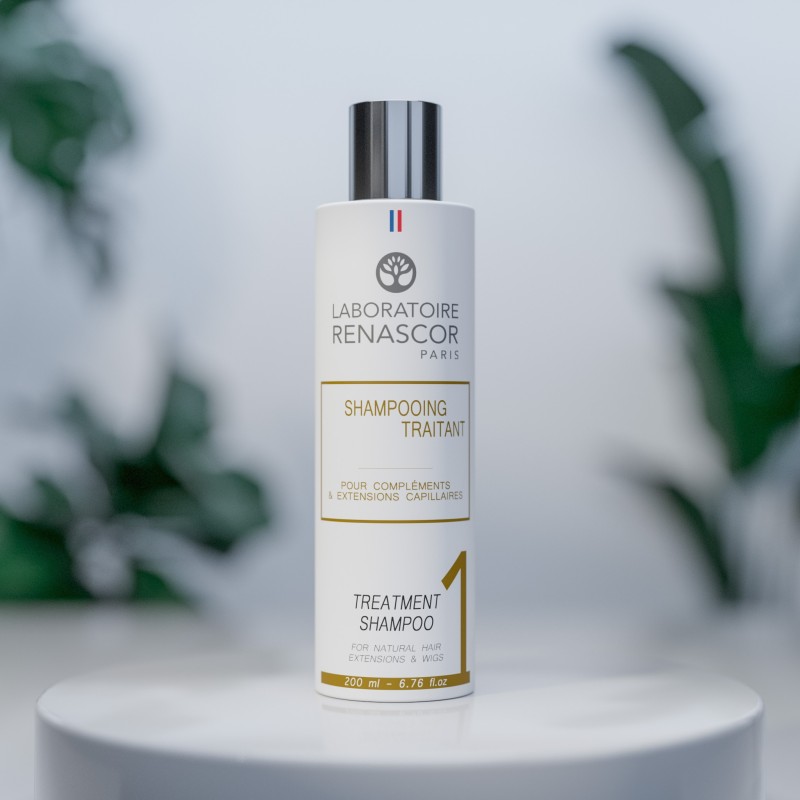
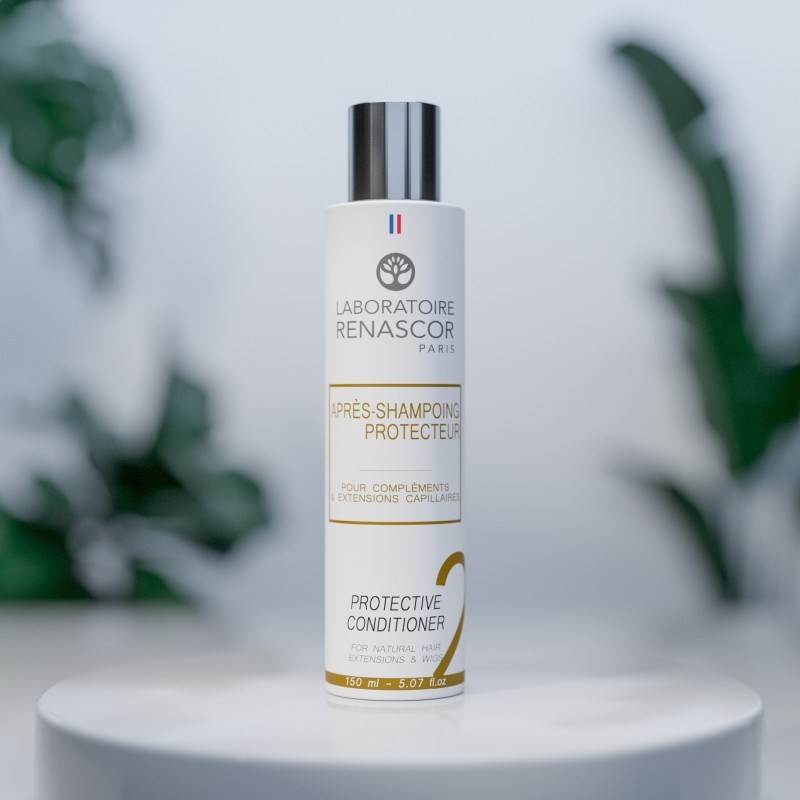
The RENASCOR Laboratory is today the only one in the world working exclusively on post-cancer hair reconstruction. Its research has led to the protocol REDACTIV1 & REDACTIV2, specifically designed to support regrowth after chemotherapy.
Clinically tested, these treatments have shown remarkable results:
-
up to 28,200 extra hairs. 13,600 extra hairs on average after 3 months of treatment
-
No side effects observed
-
Stronger hair fiber, shinier and denser
These results give back more than a head of hair: they bring a real feeling of rebirth, a new energy and the possibility to turn the page on the disease.
Conclusion
Keeping one’s hair during chemotherapy remains a challenge, with imperfect solutions like the cooling cap. But today, thanks to innovations from RENASCOR Laboratory, the post-cancer hair regrowth is no longer a distant dream: it is a clinical reality. Regaining one’s hair is regaining one’s identity, confidence and the pleasure of living fully.
FAQ: hair regrowth after chemotherapy
When does hair regrow after chemotherapy?
Regrowth generally begins between 4 and 6 weeks after the end of treatment. The first hairs are often very fine, fragile or different in texture and color, but they thicken gradually.
Can hair regrowth after cancer be accelerated?
Yes. Even if spontaneous regrowth exists, it is often slow and incomplete. Treatments specifically designed for post-chemotherapy hair reconstruction stimulate the bulbs, strengthen the fiber and help accelerate the return of a dense and vigorous head of hair.
Why does my hair regrow differently after chemotherapy?
It is common to observe different regrowth: hair that is curlier, straighter, finer or lighter. These changes are linked to the impact of chemotherapy on the hair follicles. With time and appropriate care, the texture tends to stabilize.
Is hair regrowth after cancer guaranteed?
In the vast majority of cases, yes. But the density and quality of the hair can be altered. That is why it is essential to support regrowth with appropriate treatments capable of stimulating and durably strengthening the follicle.
How to better cope with alopecia during treatment?
There are different solutions depending on preferences: wigs, scarves, turbans, beanies or hats. The important thing is to prioritize comfort and aesthetics that help better cope with daily life, while keeping in mind that this stage is temporary and that regrowth is possible.