

Cervical Cancer: Understanding, Preventing, and Rebuilding<\/h2>
Cervical cancer remains a major public health issue, although it is increasingly controlled thanks to vaccination and screening programs.<\/p>
In France, approximately 3,000 new cases<\/strong> are diagnosed each year, and just over 1,000 women still die from it each year<\/strong>. However, the figures also show a gradual decrease in incidence<\/strong> over several decades, evidence of the effectiveness of prevention efforts.<\/p>
The cervix is a particularly vulnerable area of female anatomy. When persistently infected by certain types of human papillomavirus (HPV)<\/strong>, it can develop precancerous lesions that, over time, evolve into cancer if not detected and treated.<\/p>
HPV is a very common virus transmitted during sexual intercourse. In most cases, the body eliminates it naturally, but in some women, the infection persists and eventually causes cellular mutations.<\/p>
The danger of cervical cancer lies in its silent progression. In its early stages, it causes no signs. It is only at a more advanced stage that the first symptoms appear: unusual vaginal bleeding<\/strong> (after sexual intercourse, between periods, or after menopause), persistent pelvic or lower back pain<\/strong>, or painful sexual intercourse<\/strong>.<\/p>
This is why screening plays a crucial role. The Pap smear (cervical smear)<\/strong> is recommended every three years between the ages of 25 and 65, after two normal tests conducted one year apart. This simple procedure involves taking a few cells from the cervix using a small brush to look for precancerous lesions. In case of doubt, other examinations such as colposcopy, biopsy, or MRI can help clarify the extent of the disease.<\/p>
The therapeutic strategy is personalized. It is defined during a multidisciplinary consultation meeting (MCM)<\/strong> involving surgeons, oncologists, gynecologists, and radiotherapists. The choice of treatment depends on the patient's age, health status, and stage of the disease.<\/p>
Surgery<\/strong> is offered when the tumor is localized and small. It can range from partial removal to total hysterectomy, sometimes with the removal of lymph nodes.<\/p>
<\/li>
Radiotherapy<\/strong> uses targeted rays to destroy cancer cells. It is often combined with surgery or offered when surgery is not possible.<\/p>
<\/li>
Chemotherapy<\/strong> is indicated in more advanced or metastatic forms. Administered in several cycles, it remains a heavy but essential treatment in certain cases.<\/p>
<\/li>
Combined treatments<\/strong> allow, when necessary, to maximize the chances of recovery.<\/p>
<\/li>
<\/ul>
The best weapon against this cancer remains prevention. HPV vaccination<\/strong> is now recommended not only for girls aged 11 to 14 but also for boys since 2021. It significantly reduces the risk of infection and thus the progression to cervical cancer.<\/p>
Regular screening remains essential, even for vaccinated women. Finally, certain behaviors can help reduce risks:<\/p>
- avoid tobacco,<\/p>
- maintain a balanced weight,<\/p>
- protect sexual health,<\/p>
- and consult as soon as unusual symptoms appear.<\/p>
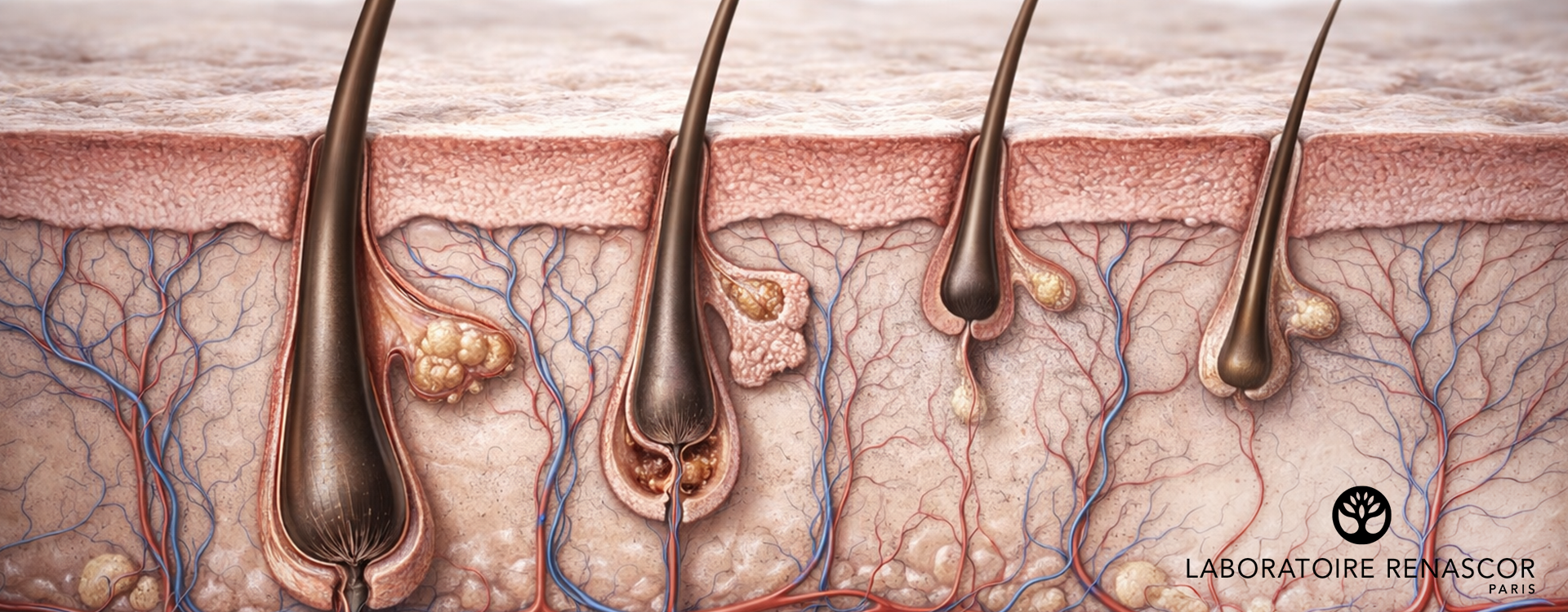
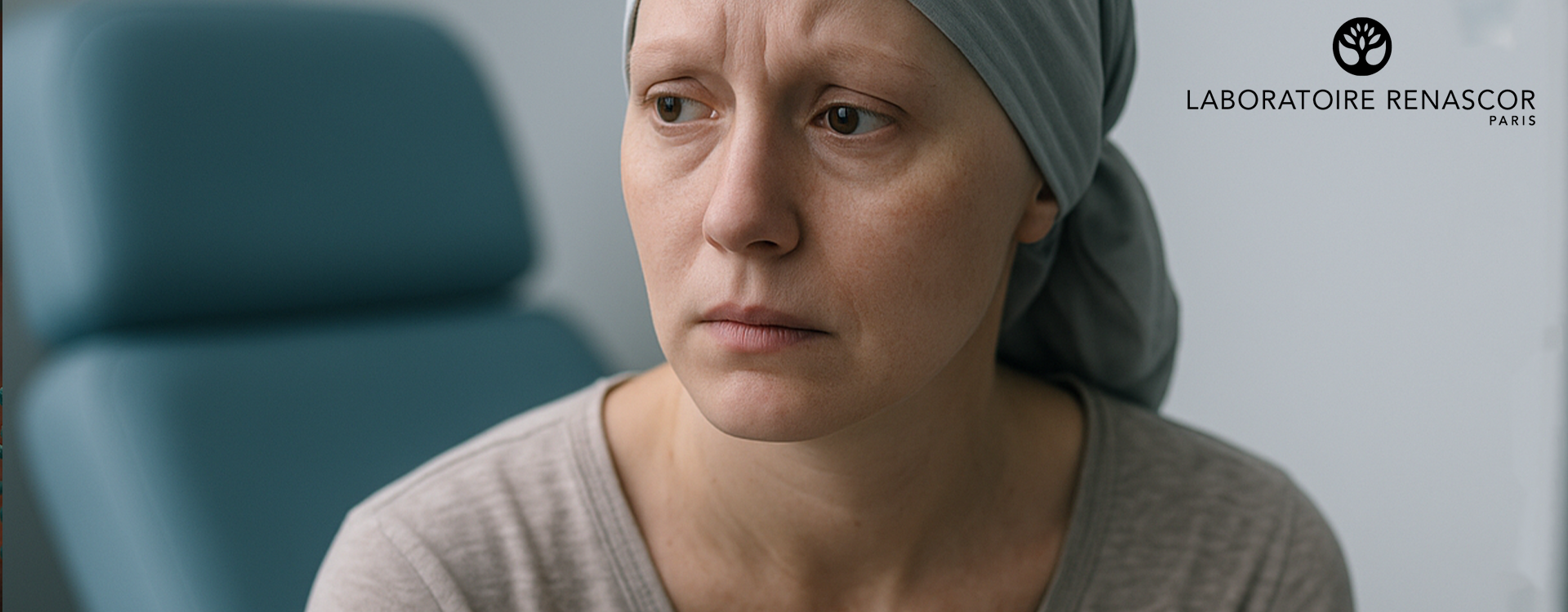
A cancer does not stop at medical recovery. Heavy treatments such as radiotherapy or chemotherapy often lead to hair loss<\/strong> and a deterioration of self-image. This is where the RENASCOR Laboratory<\/strong>, a global expert in post-cancer hair reconstruction, intervenes.<\/p>
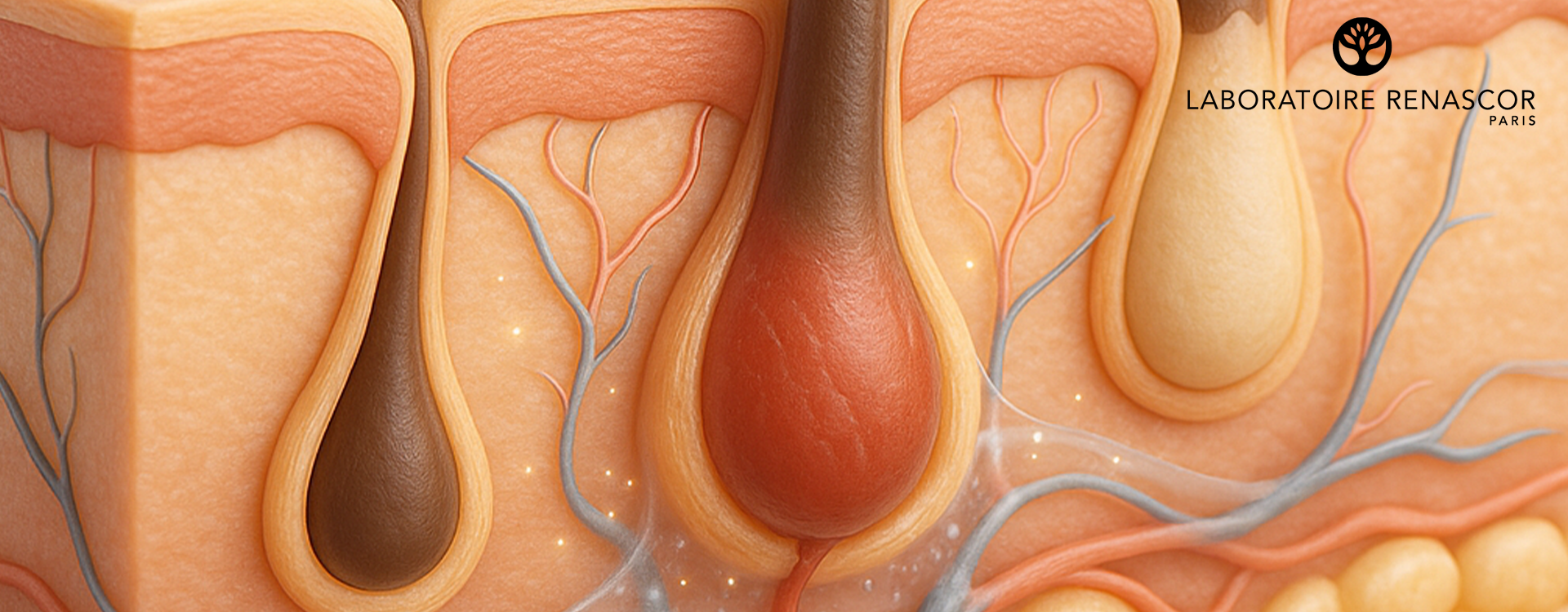
With REDACTIV1®<\/strong>, a unique gel serum, RENASCOR supports patients from the end of treatments to stimulate microcirculation and reactivate dormant hair follicles.<\/p>
<\/li>
When the hair reaches about 1 cm, the transition is ensured by REDACTIV2®<\/strong>, a growth serum that promotes hair density and vitality.<\/p>
<\/li>
Partner socio-hairdressers and socio-estheticians of RENASCOR also contribute to psychological and aesthetic reconstruction, helping each patient regain confidence and femininity.<\/p>
<\/li>
<\/ul>
Because the fight against cancer is not limited to saving lives but also to restoring dignity and self-esteem, RENASCOR is committed daily alongside patients.<\/p>
In France, approximately 3,000 new cases of cervical cancer<\/strong> are diagnosed each year.<\/p>
<\/li>
The main cause is persistent infection by human papillomavirus (HPV)<\/strong>.<\/p>
<\/li>
Regular screening<\/strong> and HPV vaccination<\/strong> are the best prevention weapons.<\/p>
<\/li>
Treatments are personalized, ranging from surgery to chemotherapy.<\/p>
<\/li>
The RENASCOR Laboratory<\/strong> offers unique solutions to support post-cancer hair and aesthetic reconstruction<\/strong>, so that every woman can regain her femininity and confidence.<\/p>
<\/li>
<\/ul>
A Long-Silent Cancer<\/h3>
Available Treatments<\/h3>
Prevention: Vaccination and Lifestyle Hygiene<\/h3>
Reconstruction After Cancer: RENASCOR Expertise<\/h3>
Key Takeaways<\/h3>