


Cancer & Occupational Activity: When Work Becomes a Risk Factor<\/h2>
In some cases, professional activity is not just a challenge to manage after illness: it can be the direct cause.<\/p>
Prolonged exposure to certain chemicals, toxic substances, or specific working conditions increases the risk of developing cancer.<\/p>
Understanding these links is essential to better protect workers and support those who suffer the consequences.<\/p>
Occupational Cancers: An Underestimated Reality<\/h3>
It is estimated that in Europe, between 4% and 8% of cancers<\/strong> are related to professional activity. However, many cases are not reported as such, due to lack of official recognition or a clearly established link.<\/p>
The most affected sectors are:<\/p>
Chemical and Metallurgical Industry<\/strong>: exposure to asbestos, solvents, hydrocarbons, wood dust, or heavy metals.<\/p>
<\/li>
Construction<\/strong>: inhalation of asbestos, silica dust, tars.<\/p>
<\/li>
Agricultural Sector<\/strong>: repeated contact with pesticides or chemical fertilizers.<\/p>
<\/li>
Service Sectors<\/strong>: chronic exposure to intense stress, night work, endocrine disruptors.<\/p>
<\/li>
<\/ul>
Obtaining recognition of an occupational cancer remains complex:<\/p>
The tables of occupational diseases<\/strong> list known carcinogenic substances, but not all cases fit these criteria.<\/p>
<\/li>
The link between exposure and disease can be difficult to prove, especially if several years have passed.<\/p>
<\/li>
Many patients give up the process due to lack of information or support.<\/p>
<\/li>
<\/ul>
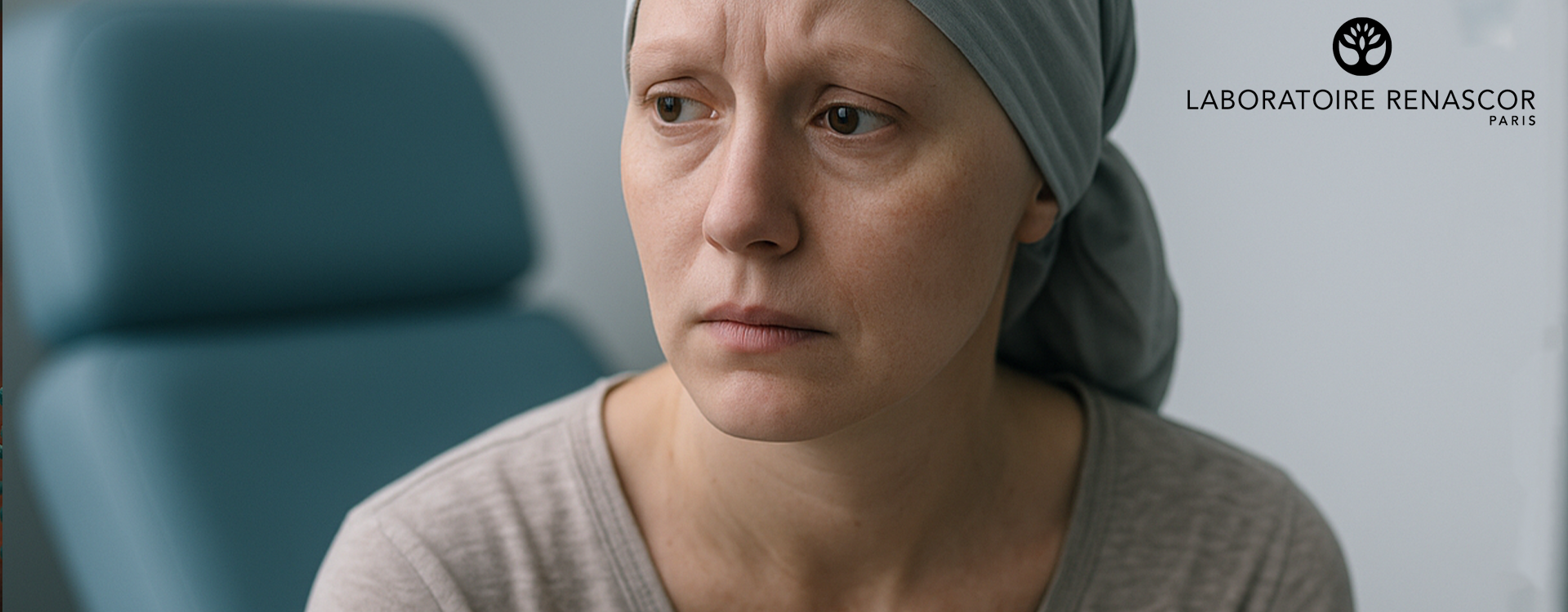
Beyond medical care, patients with occupational cancer often experience a double shock<\/strong>:<\/p>
The disease itself, with its heavy treatments.<\/p>
<\/li>
The awareness that their work environment, which was supposed to be protective, contributed to their illness.<\/p>
<\/li>
<\/ul>
Reconstruction therefore goes beyond the medical plan and also involves work on self-image<\/strong>, personal esteem<\/strong>, and social and professional reintegration<\/strong>.<\/p>
The RENASCOR Laboratory is committed to supporting patients facing cancer, regardless of its origin. A global specialist in post-cancer hair reconstruction<\/strong>, we provide a unique response to a often neglected issue:<\/p>
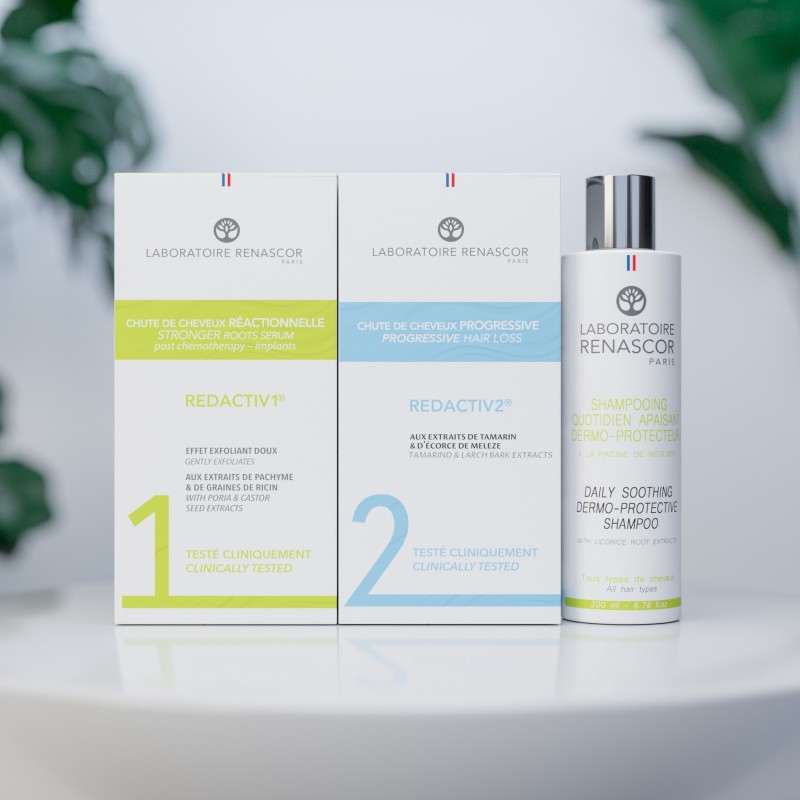
Mitigating the visible impact of treatments<\/strong> through the REDACTIV1 and REDACTIV2 protocols.<\/p>
<\/li>
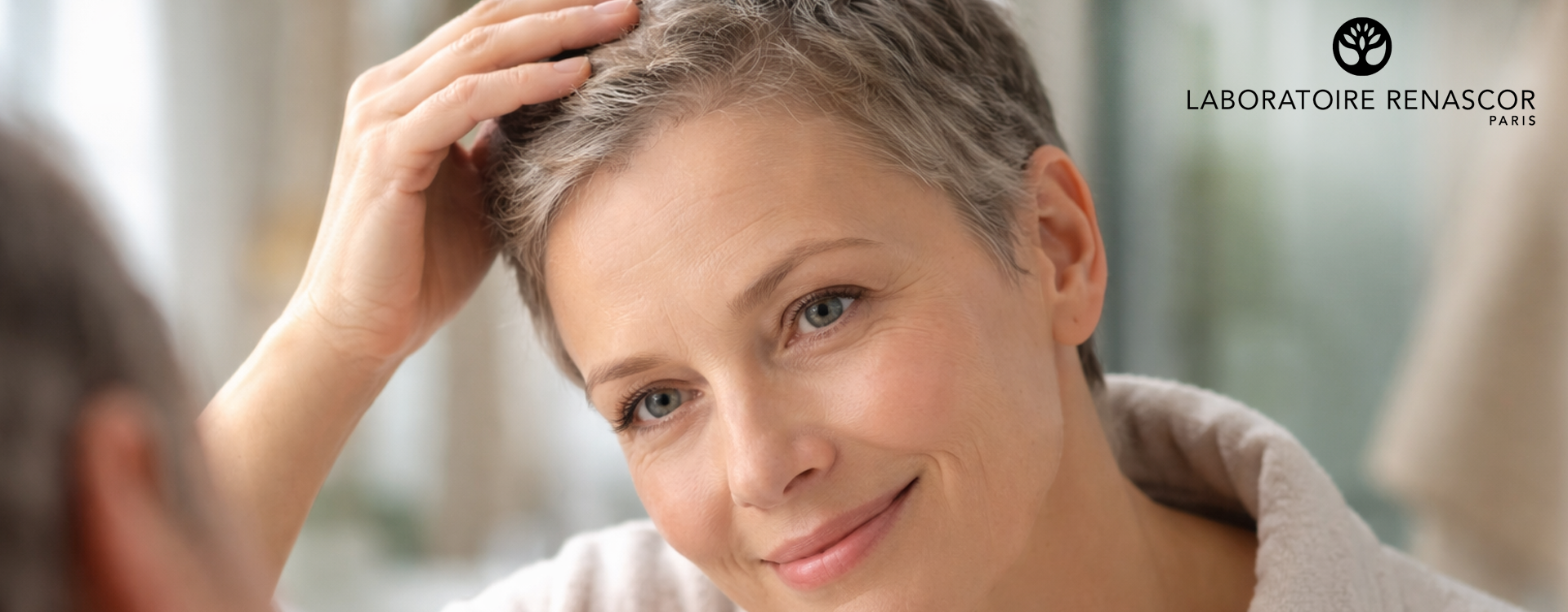
Helping to restore self-image<\/strong> to face the gaze of others in a professional context.<\/p>
<\/li>
Supporting hair rebirth<\/strong> as a key step in resilience.<\/p>
<\/li>
<\/ul>
Occupational cancer reminds us that health at work is a major societal issue.<\/p>
A Difficult Recognition<\/h3>
Occupational Cancer and Reconstruction<\/h3>
Support from the RENASCOR Laboratory<\/h3>
In Summary<\/h3>
Recognition, support, and prevention must progress to protect employees.<\/p>
And because regaining hair after illness is also regaining a part of one's identity, the RENASCOR Laboratory is committed to supporting each patient on this path of reconstruction.<\/p>