


Cancer: Beware of Misconceptions and Misinformation<\/h2>\n
Cancer is a disease that disrupts millions of lives around the world. For those affected, their loved ones, and society as a whole, it raises deep fears and questions. Unfortunately, this anxiety also fuels many misconceptions, sometimes dangerous, that circulate on the Internet, in everyday conversations, or even within certain communities.<\/p>\n
These false beliefs can have serious consequences: delaying treatment, complicating the follow-up of therapies, or pushing patients towards ineffective or even harmful practices. That is why it is essential to distinguish science from myths.<\/p>\n
Fasting or food deprivation can cure cancer: False<\/h3>\n
The idea that "depriving the tumor of food" could weaken it is appealing... but completely unfounded. No serious clinical study on humans has demonstrated the benefits of fasting in cancer treatment. On the contrary, malnutrition weakens the immune system, reduces tolerance to treatments, and complicates recovery.<\/p>\n
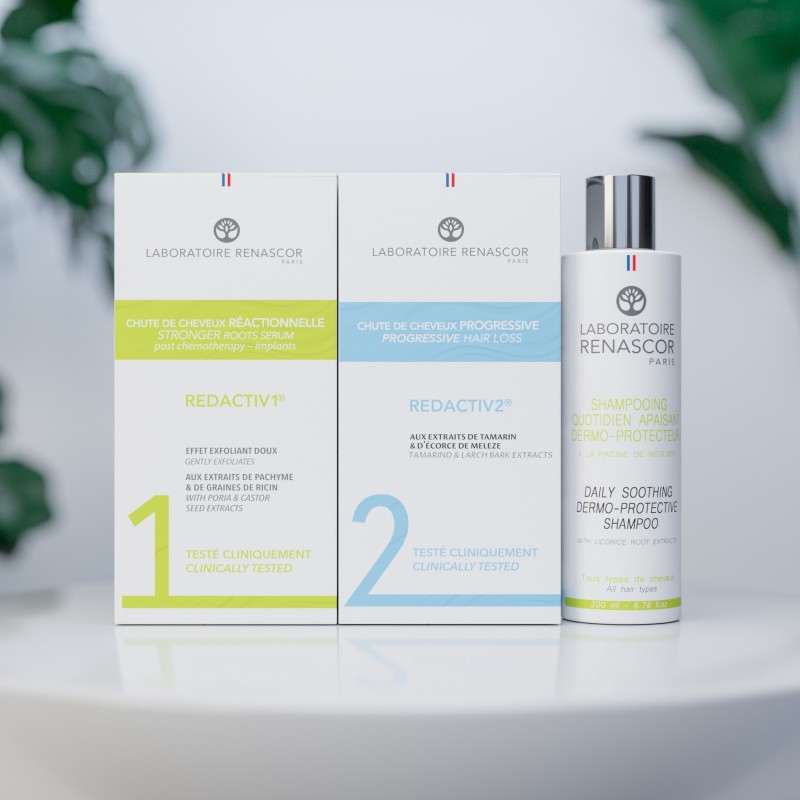
Key points:<\/strong><\/p>\n A balanced diet, rich in fruits, vegetables, fibers, proteins, and essential fatty acids, helps the body withstand treatments.<\/p>\n<\/li>\n Regular physical activity (even gentle, like daily walking) improves energy, reduces the risk of relapse, and enhances quality of life.<\/p>\n<\/li>\n<\/ul>\n Some believe that avoiding the outdoors limits exposure to pollutants. In reality, indoor air is often 5 to 10 times more polluted<\/strong> than outdoor air. The culprits: cooking fumes, chemical cleaning products, scented candles, paints, insulation materials, electronic devices…<\/p>\n In addition, there are invisible pollutants like volatile organic compounds (VOCs) or radon, a natural radioactive gas responsible for lung cancers.<\/p>\n Our advice:<\/strong><\/p>\n Ventilate each room in your home for at least 10 minutes morning and evening.<\/p>\n<\/li>\n Avoid harsh cleaning products and prefer natural alternatives.<\/p>\n<\/li>\n Go outside regularly, especially in natural spaces, where the air is cleaner.<\/p>\n<\/li>\n<\/ul>\n This idea is one of the most dangerous. According to the IARC (International Agency for Research on Cancer)<\/strong>:<\/p>\n Alcohol consumption is associated with at least 7 different cancers<\/strong> (mouth, esophagus, liver, breast, colon, etc.).<\/p>\n<\/li>\n Tobacco is responsible for 90% of lung cancers<\/strong> and contributes to many other cancers (larynx, pancreas, bladder).<\/p>\n<\/li>\n<\/ul>\n Even in low doses, there is no safe consumption threshold<\/strong>. And let’s not forget passive smoking, which exposes loved ones to comparable dangers.<\/p>\n In France, millions of workers are exposed every day to carcinogenic substances (asbestos, solvents, pesticides, hydrocarbons, etc.). Contrary to popular belief, a work-related cancer can appear up to 40 years after initial exposure<\/strong>.<\/p>\n This means that constant vigilance is necessary, even long after leaving a risky work environment.<\/p>\n Example:<\/strong> asbestos, banned in France since 1997, continues to cause several thousand cancers each year, sometimes 30 or 40 years after the exposure period.<\/p>\n In the face of such a serious illness, information is a form of prevention<\/strong>. Believing in false ideas can delay diagnosis, lead to poor decisions, or generate unnecessary guilt.<\/p>\n RENASCOR Laboratory, a global expert in post-cancer hair reconstruction, reminds us that comprehensive support – medical, psychological, and aesthetic – is essential to help patients through this ordeal. Rebuilding one’s image, regaining self-confidence, is also a way to fight cancer.<\/p>\n In summary:<\/strong><\/p>\n Fasting weakens the body instead of helping.<\/p>\n<\/li>\n Indoor air is often more polluted than outdoor air.<\/p>\n<\/li>\n Alcohol and tobacco are proven carcinogens.<\/p>\n<\/li>\n A work-related cancer can appear even 40 years after exposure.<\/p>\n<\/li>\n<\/ul>\n Being well-informed is already a way to protect oneself.<\/p>\n <\/p>
\n
Isolating oneself at home protects against cancer: False<\/h3>\n
\n
Alcohol and tobacco are not carcinogenic: False<\/h3>\n
\n
After 10 years, a work-related cancer can be ruled out: False<\/h3>\n
Why good information is a weapon against cancer<\/h3>\n
\n