


Cancer and Social Media: Between Support and Misinformation<\/h2>\nA Space of Solidarity and Hope<\/h3>\n
Social media has become a true meeting place for cancer patients and their loved ones. They offer a space for expression where everyone can share their story, their difficulties, their victories.<\/p>\n
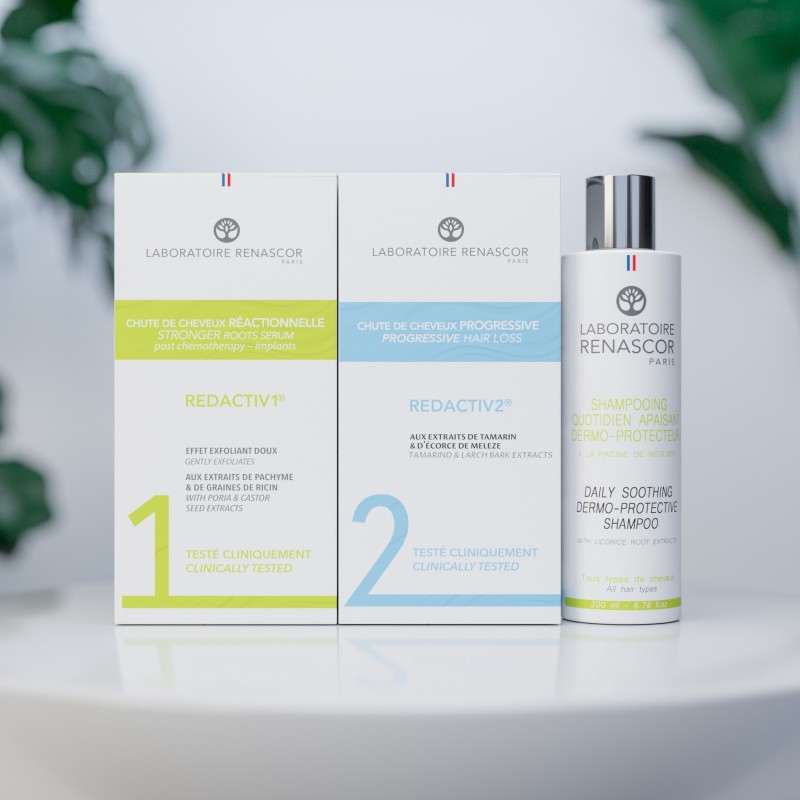
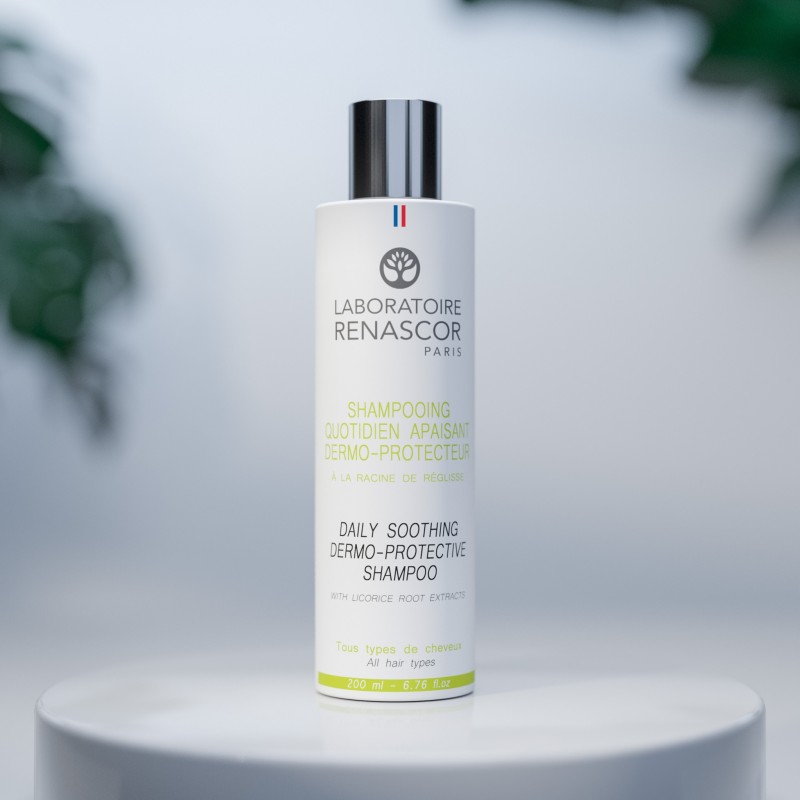
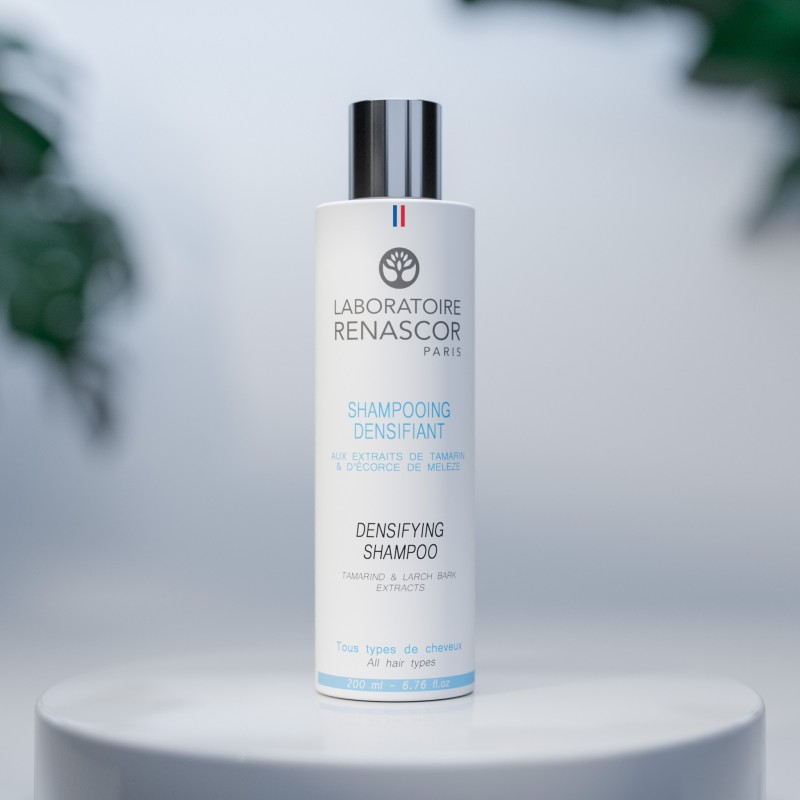
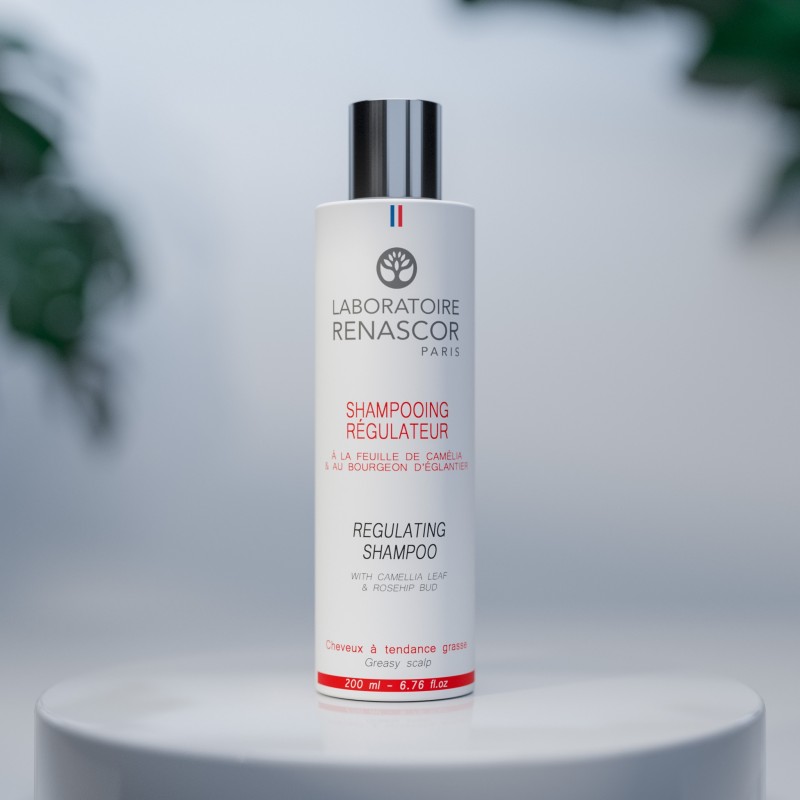
On Facebook<\/strong>, many private groups bring together people affected by the same type of cancer. On Instagram or TikTok<\/strong>, hashtags make it easy to find authentic testimonials, often filled with emotion and sincerity. These personal stories break isolation and give a sense of belonging to a community that truly understands what one is going through.<\/p>\n The moral support is immense: reading the testimony of a patient who has gone through chemotherapy, seeing photos of hair regrowth after difficult months, discovering tips to better cope with treatments… all of these contents inspire and restore confidence. When used this way, social media becomes a valuable ally in psychological and identity reconstruction.<\/p>\n While social media can be a source of hope, it can also be fragile. Medical misinformation circulates very quickly: false miracle cures, supposedly curative diets, alternative therapies presented as superior to validated oncological treatments. This abundance of unverified content exposes patients to a real risk: delaying or abandoning effective treatment in favor of illusory promises.<\/p>\n Another danger lies in social pressure<\/strong>. The “success stories” highlighted on Instagram or YouTube, while inspiring, can sometimes make those who do not have the same energy or progress feel guilty. The patient compares themselves and may feel a sense of failure or inferiority in the face of the suffering they are experiencing.<\/p>\n Finally, self-exposure on social media can also lead to inappropriate or hurtful comments. A reality that can exacerbate the emotional vulnerability of those affected.<\/p>\n In the face of this duality, it becomes essential to know how to filter information<\/strong>. Several reflexes should be encouraged:<\/p>\n Check the source<\/strong> of the information: a laboratory, an official association, a scientific publication.<\/p>\n<\/li>\n Beware of promises that are too good to be true (“guaranteed cure”, “miracle solution”).<\/p>\n<\/li>\n Always consult your oncologist or primary care physician<\/strong> before modifying a treatment or adopting an alternative method.<\/p>\n<\/li>\n Favor moderated communities, where exchanges are supervised by professionals or patient associations.<\/p>\n<\/li>\n<\/ul>\n By adopting these reflexes, social media regains its primary value: being a place of support without jeopardizing health.<\/p>\n At RENASCOR Laboratory<\/strong>, we understand the importance of reliable information and solidarity among patients.<\/p>\n We support individuals affected by cancer in their hair reconstruction<\/strong> every day. And we know that this reconstruction goes beyond hair: it touches on self-image, dignity, and confidence.<\/p>\n That is why we are committed to disseminating clear, scientific, and compassionate information. We encourage mutual aid, but also vigilance against false information circulating. Our role is not only to provide appropriate care<\/strong> for post-chemotherapy regrowth but also to offer a solid reference point in a sometimes bewildering digital universe.<\/p>\n Social media can become a tremendous relay of support and inspiration. But for them to remain beneficial, they must be accompanied by reliable references, medical support, and responsible communication<\/strong>.<\/p>\n Perfect 👌 Here is an SEO optimized FAQ<\/strong> that you can add at the end of the article.<\/p>\n Yes, they can be. Social media provides a space for mutual aid, sharing testimonials, and moral support. They help many patients break isolation and regain confidence.<\/p>\n The main danger is medical misinformation<\/strong>: false promises of healing, unvalidated therapies, dangerous advice. Excessive social comparison can also psychologically weaken.<\/p>\n It is essential to check the source<\/strong>: laboratory, recognized association, scientific publication. Credible information should be clear, sourced, and consistent with official medical recommendations.<\/p>\n They can find support there, but their use should be supervised by parents and caregivers<\/strong>. This helps avoid anxiety-inducing content or misinformation.<\/p>\n RENASCOR Laboratory is committed to providing clear, scientific, and compassionate information, and to supporting post-cancer hair reconstruction<\/strong>. We encourage online mutual aid while raising awareness of the risks associated with misleading content.<\/p>\n <\/p>\n <\/p>
The Flip Side<\/h3>\n
The Importance of Distinguishing Truth from Falsehood<\/h3>\n
\n
The Position of the RENASCOR Laboratory<\/h3>\n
FAQ – Social Media and Cancer<\/h3>\n
1. Are social media beneficial for cancer patients?<\/h4>\n
2. What are the risks associated with social media for a person with cancer?<\/h4>\n
3. How can one recognize reliable information on social media?<\/h4>\n
4. Should children and adolescents with cancer use social media?<\/h4>\n
5. What role does the RENASCOR Laboratory play in this phenomenon?<\/h4>\n