

Alopecia: What Solutions Exist Today to Regain Your Hair?
In 2025, alopecia continues to deeply impact self-image. While the causes are numerous—hormonal, genetic, post-chemotherapy, autoimmune, or emotional—the truly effective solutions remain rare.
RENASCOR Laboratory, a world leader in post-aggression hair reconstruction, sheds light on the existing options and the reasoned choices to prioritize.
1. Medications: why they are not the miracle solution
Minoxidil (topical) and Finasteride (oral) are the two most prescribed treatments... but their side effects are too often underestimated.
Minoxidil:
-
Lifetime use required: stopping leads to a sudden relapse.
-
Disorganized growth, often ineffective on bald areas.
-
Frequent side effects: itching, dandruff, redness, scalp irritation.
-
Reported cases of tachycardia, hypotension, dizziness, and facial hypertrichosis in some women.
Finasteride:
-
Intended only for men, it works by blocking DHT, a key hormone... with possible severe side effects:
-
Erectile dysfunction, loss of libido, ejaculation disorders.
-
Sometimes deep depressive states.
-
Long-lasting hormonal disruption, even after stopping the treatment (post-Finasteride syndrome).
-
At RENASCOR, we do not recommend the use of these medications without very strict medical supervision.
Our approach is based on non-hormonal, topical, progressive treatments that respect the balance of the scalp and the patient.
2. Hair surgery: a temporary choice, but not without constraints
FUE hair transplantation is currently the reference technique in hair surgery.
But it does not create new follicles: it redistributes what remains. Moreover, without proper post-transplant care, half of the implants can be lost within 12 months.
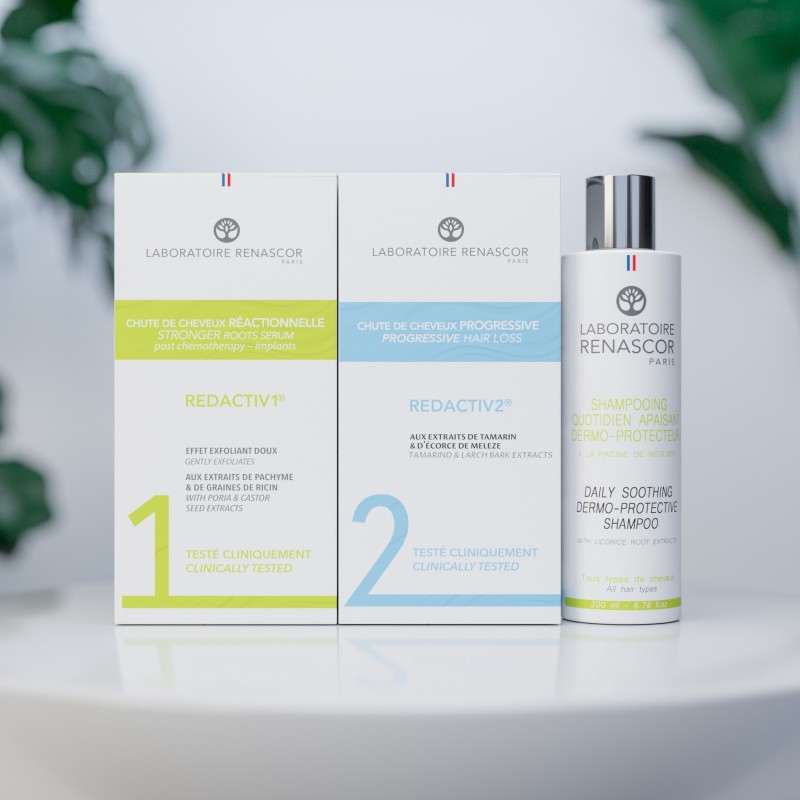
This is why we have developed the REDACTIV® protocol, used from the 10th day post-transplant, to:
-
stimulate microcirculation,
-
accelerate healing,
-
promote homogeneous and lasting regrowth.
3. So-called “natural” treatments: an enticing promise... rarely fulfilled
Phytotherapy, dietary supplements, “anti-hair loss” teas, vegetable oils, or essential oils: these so-called natural solutions are certainly popular. But natural does not mean effective.
-
The vast majority of these treatments are not based on any serious clinical studies.
-
Their action is often too superficial or too diluted to have a real impact on established alopecia.
-
Some vegetable oils can even suffocate the scalp, block follicles, or worsen hair loss when misused.
At RENASCOR Laboratory, we have chosen not to offer any isolated “natural treatment”.
We consider these approaches as non-priority, even counterproductive, in a true hair reconstruction strategy.
4. “Miracle” technologies: caution against marketing promises
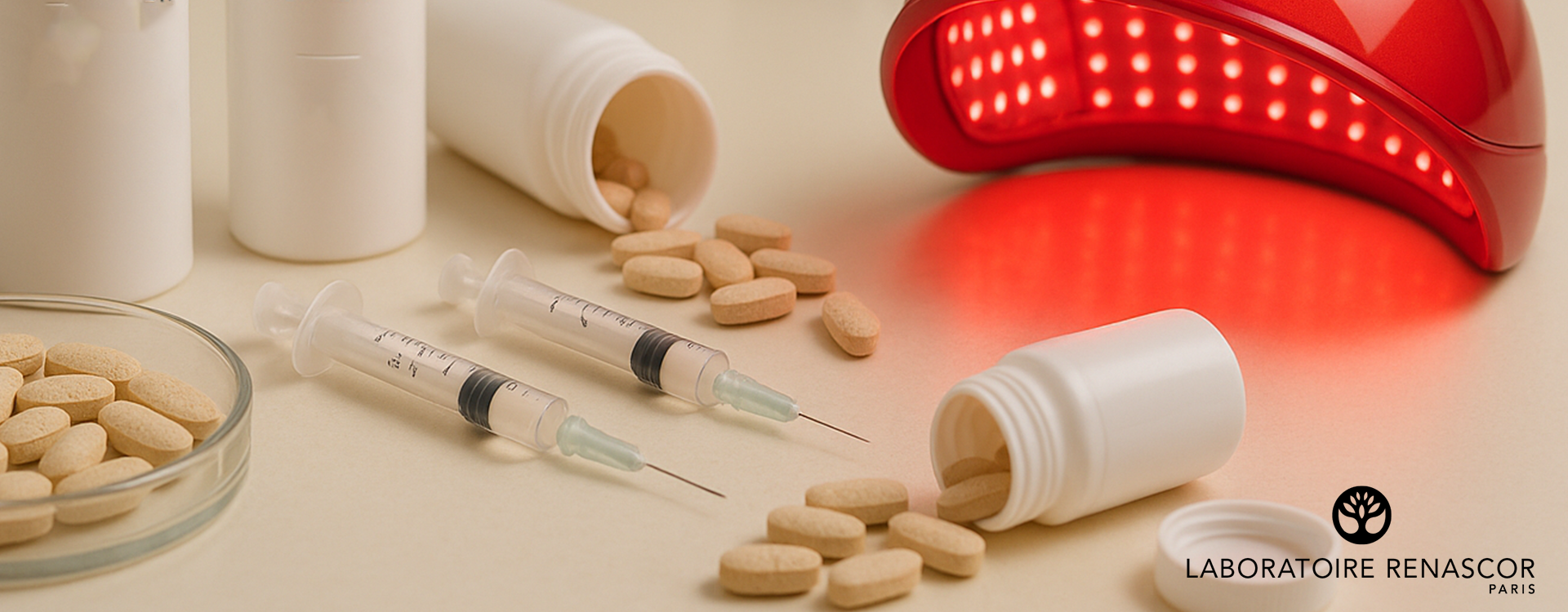
Low-intensity laser, light therapy, scalp electrical stimulation... These techniques are heavily advertised.
But no high-level clinical study confirms their significant effectiveness in long-term hair regrowth.
In the absence of reproducible results, RENASCOR Laboratory does not recommend them, preferring to focus its protocols on active, tested, non-invasive treatments based on a rigorous biological understanding.
A hair renaissance without compromise
Alopecia is a difficult reality. But there is no need to resign oneself to risky hormonal treatments or technological illusions.
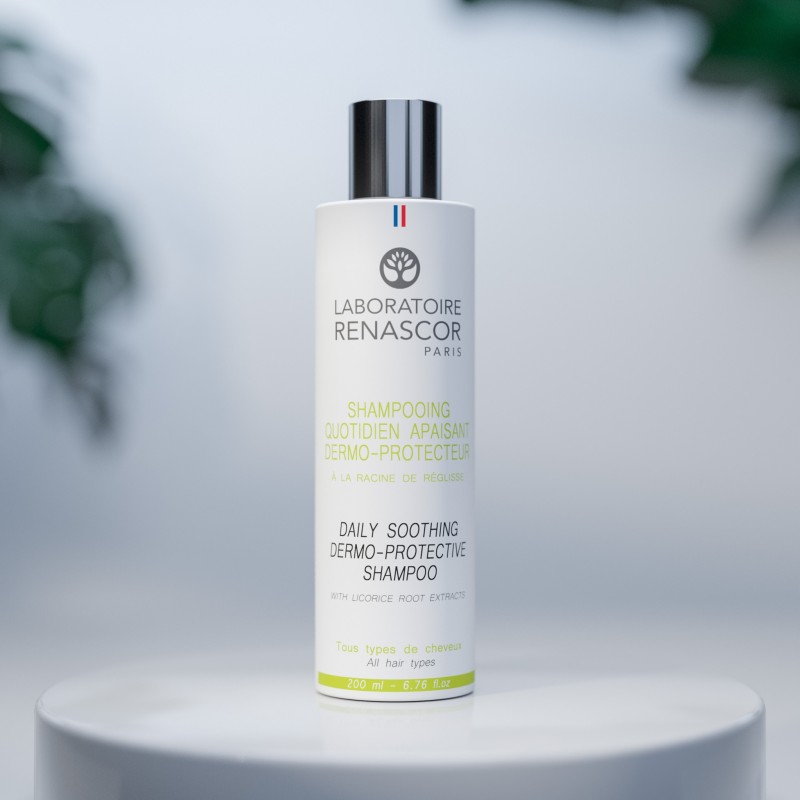
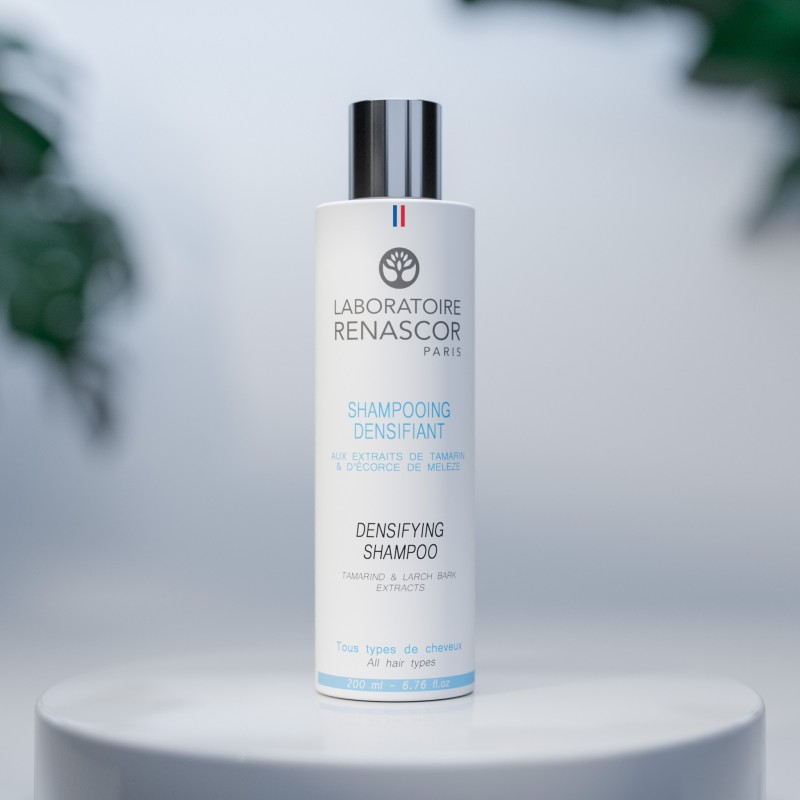
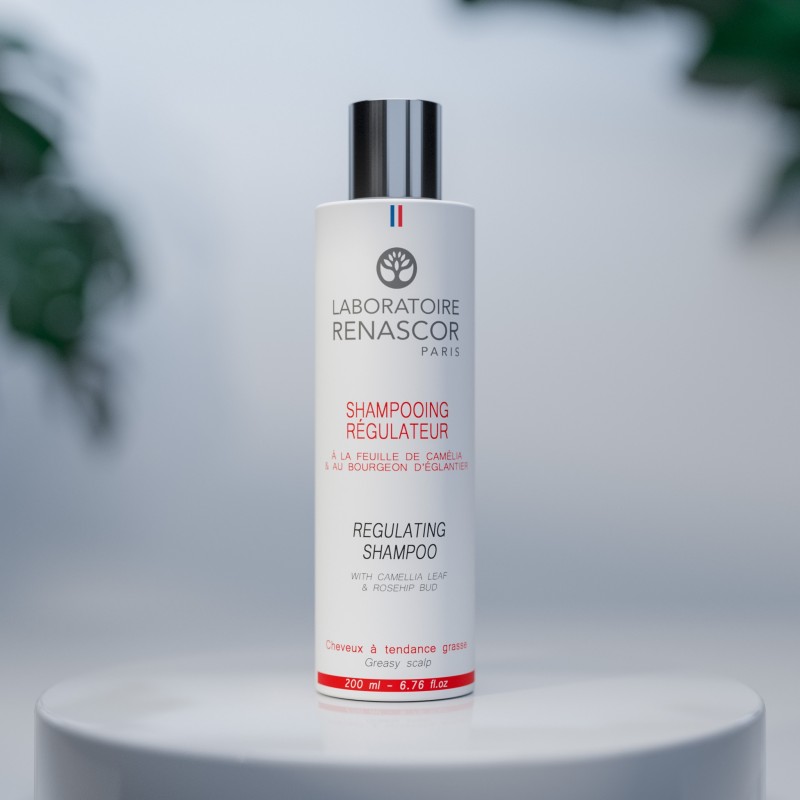
RENASCOR Laboratory offers expert care protocols, non-aggressive, personalized, designed to respect the integrity of the scalp and restore the biological environment favorable to lasting regrowth.