

Aerosol chemotherapy: an innovation to reduce side effects
Since 2013, an innovative technique has attracted the attention of the medical community: the Pressurized Intraperitoneal Aerosol Chemotherapy (PIPAC – Pressurized Intraperitoneal Aerosol Chemotherapy), developed in Germany.
Unlike conventional chemotherapy, administered intravenously, this treatment delivers anticancer agents directly into the abdomen in the form of a pressurized aerosol.
How does aerosol chemotherapy work?
PIPAC is performed using minimally invasive surgery.
-
The patient is placed under general anesthesia.
-
A small incision is made in the abdomen.
-
The anticancer drugs are sprayed directly into the abdominal cavity.
The procedure lasts about two hours and is considered minor. The day after, most patients can resume a normal diet.
What benefits for patients?
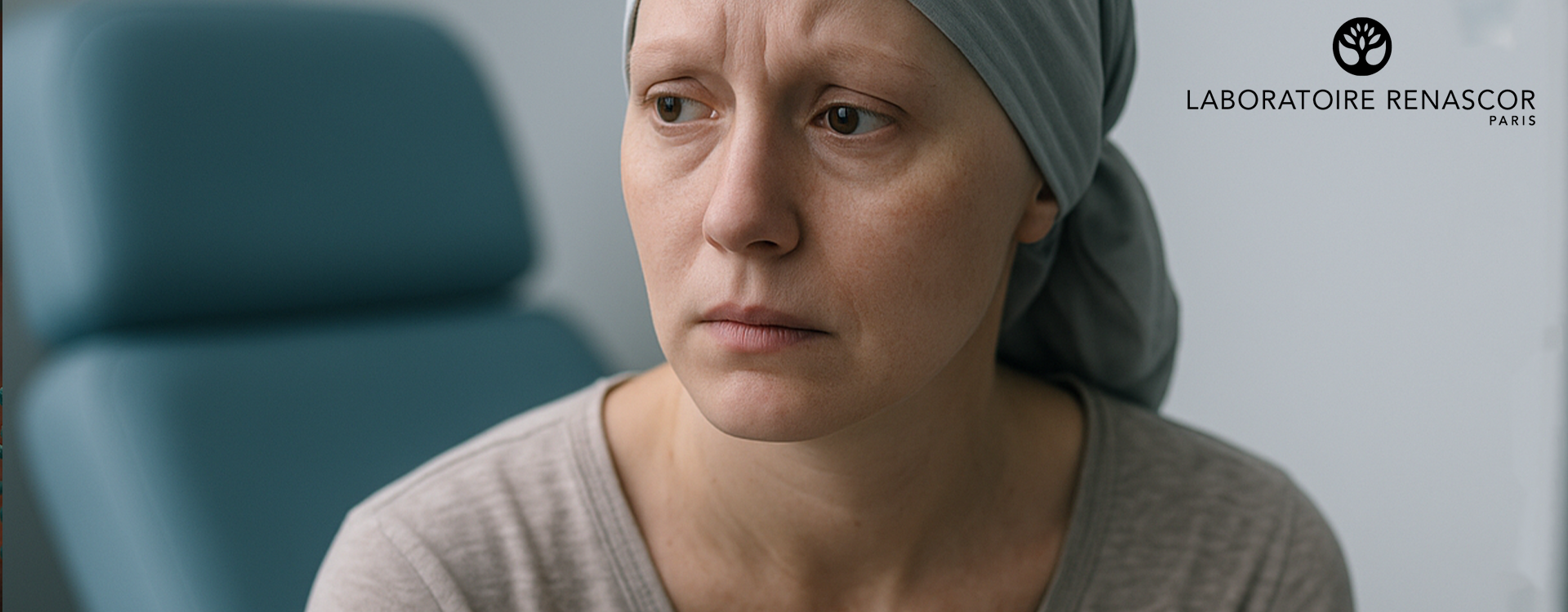
Conventional intravenous chemotherapy is well known for its severe side effects :
-
Severe fatigue,
-
Hair loss (total or partial alopecia),
-
Loss of appetite and weight,
-
Digestive disorders.
With aerosol chemotherapy, side effects appear to be significantly reduced. The molecules, delivered directly to the targeted area, circulate less in the blood, which reduces their impact on the rest of the body.
A promising advance but still experimental
Researchers and oncologists remain cautious :
-
PIPAC is not yet validated as a standard treatment.
-
Its long-term effectiveness in destroying cancer cells and on the risk of recurrence must be confirmed by further clinical trials.
However, this technique represents an important step toward more tolerable treatments, which finally take into account the patients' quality of life alongside medical effectiveness.
The role of the RENASCOR Laboratory
At the RENASCOR Laboratory, we closely follow these innovations.
Our mission is to rebuild confidence and quality of life after cancer, notably through hair restoration. Because even if new techniques like PIPAC reduce hair loss, hair remains a symbol of identity and a major concern for patients.
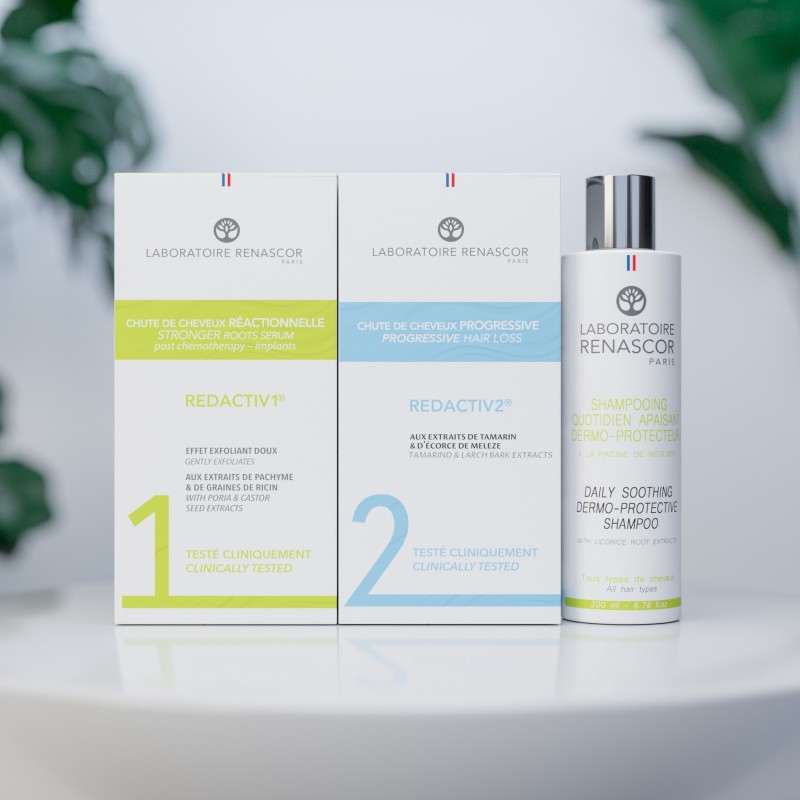
Our exclusive protocols REDACTIV1® and REDACTIV2® support post-treatment regrowth and restore vitality to the scalp.