

Hair loss: what is your scalp telling you?
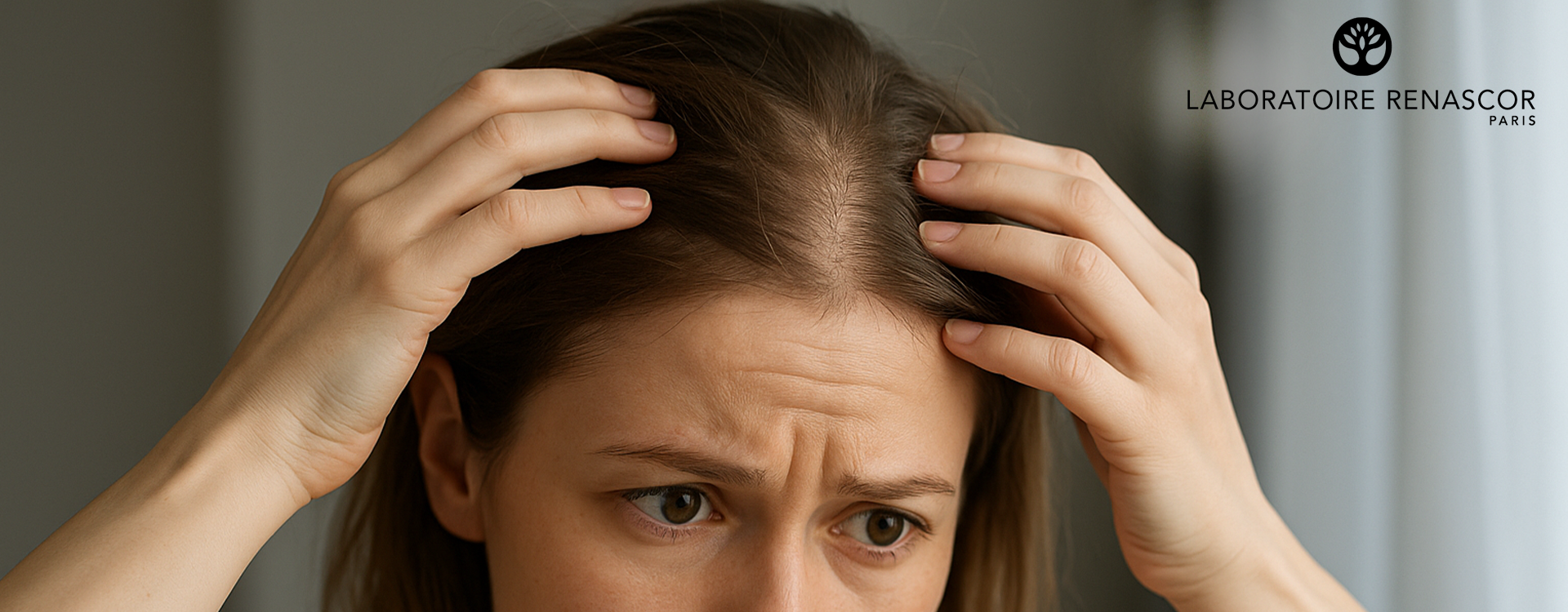
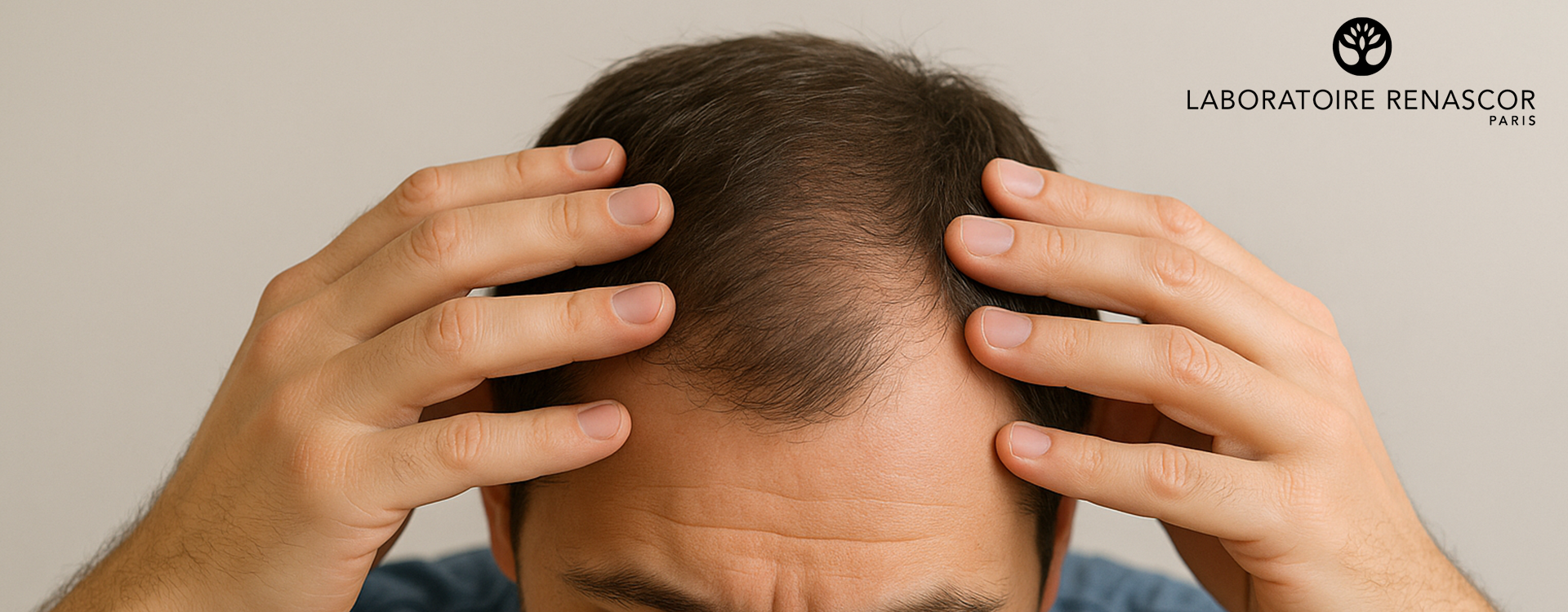
Hair loss is a concern shared by many people, both men and women.
Often seen as a simple inevitability, it is actually the reflection of a deeper imbalance. Your scalp, a true living ecosystem, sends you signals. Knowing how to recognize them is the first step toward stronger, denser hair.
Laboratoire RENASCOR, a global expert in post-cancer hair reconstruction, also supports you in these situations of hair fragility, to turn the alert into a rebirth.
Understanding the hair cycle
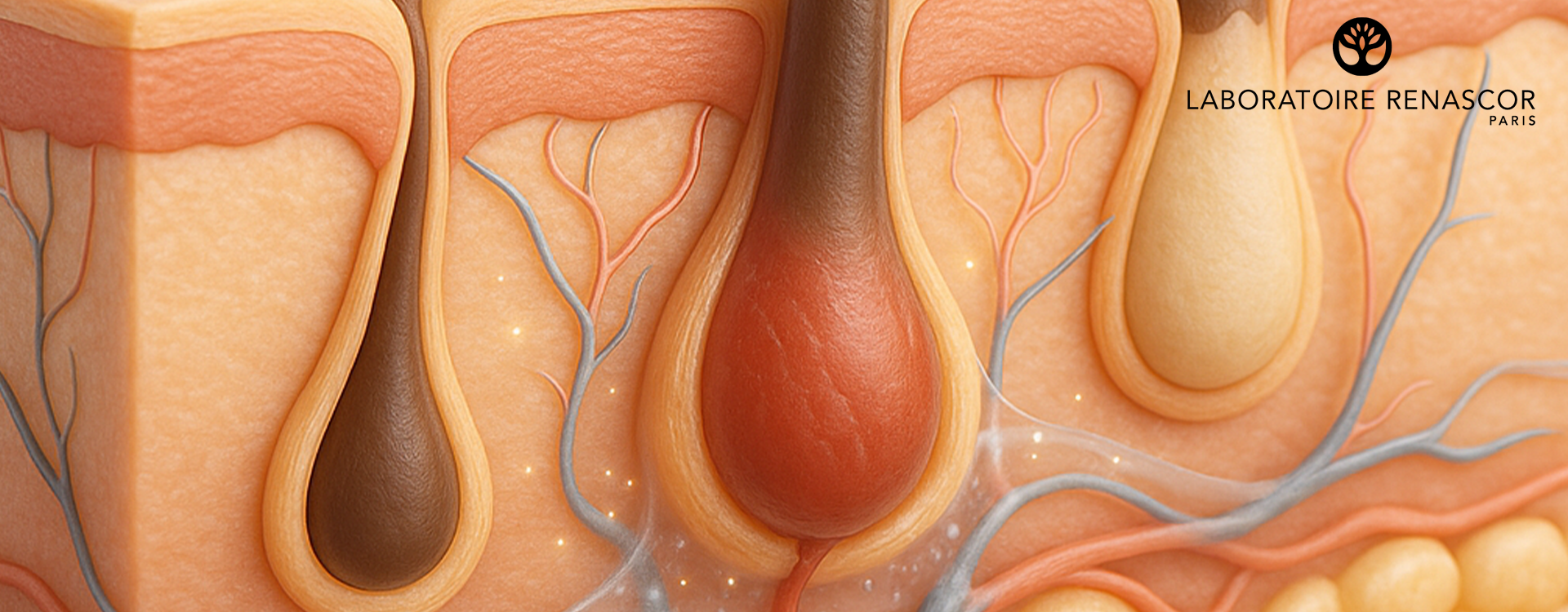
A hair does not grow continuously. It follows a three-phase cycle :
-
Anagen phase (growth, 2 to 6 years): the hair actively grows.
-
Catagen phase (transition, 2 to 3 weeks): the bulb prepares to detach.
-
Telogen phase (shedding, 2 to 3 months): the hair falls out and is replaced by a new one.
An imbalance in this cycle (stress, hormones, deficiencies) can precipitate entry into the telogen phase, resulting in visible shedding.
The scalp, a living ecosystem
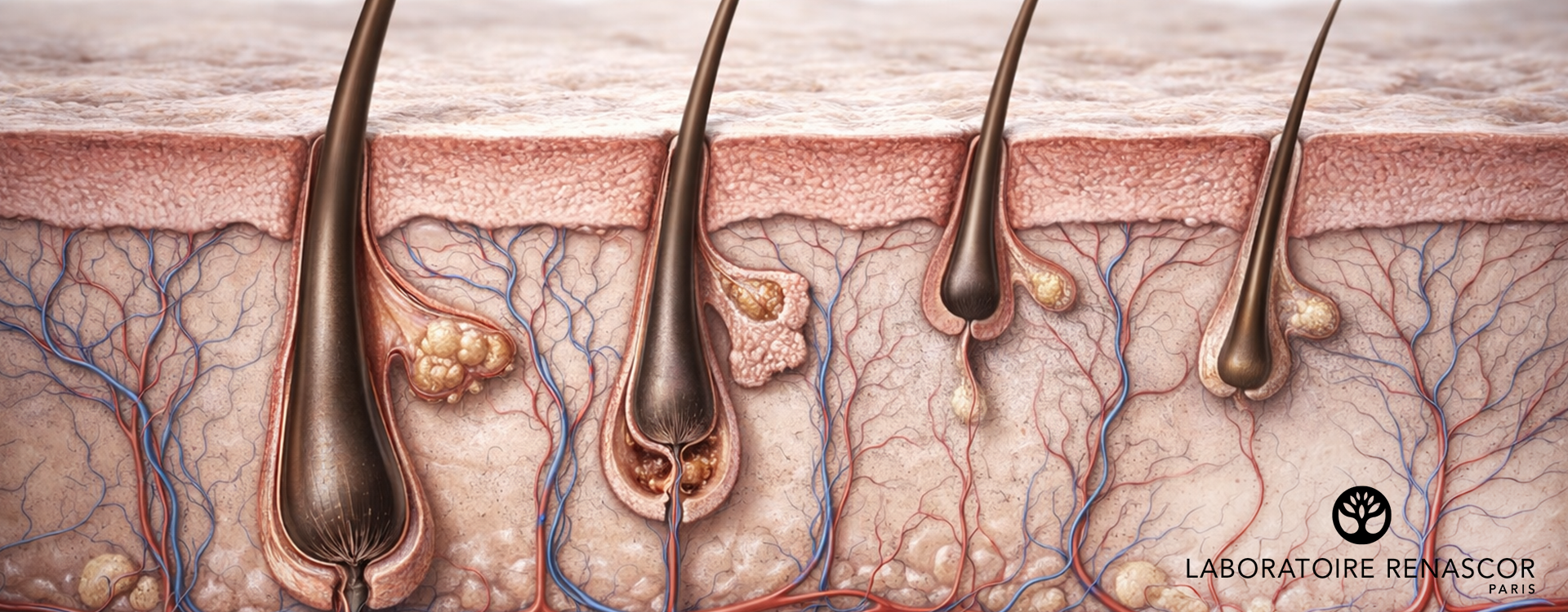
The scalp houses a complex microbiome made up of bacteria and fungi. When this balance is disturbed, dandruff, irritation and hair weakening appear.
In addition, the scalp's vascularization ensures the supply of oxygen and nutrients to the follicles. Any circulatory slowdown weakens the hair fiber.
Signs of a scalp in distress
Your scalp is a mirror of your overall health. When it suffers, your hair directly experiences the consequences.
-
Flaking and dandruff: often linked to skin dryness, irritation or a fungal overgrowth.
-
Redness and itching: signs of inflammation, dermatitis, or sometimes an allergic reaction.
-
Irregular skin texture: a granular scalp may indicate an accumulation of sebum, toxins, or cosmetic residues.
-
Tightness and sensations of heat: indicate a sensitive scalp that reacts to external aggressions (pollution, unsuitable products, stress).
Common causes of hair loss
Hair loss does not have a single cause: it often results from a combination of internal and external factors.
-
Stress: it accelerates the shedding phase (telogen effluvium) and weakens the hair bulb.
-
Diet: a deficiency in protein, iron, zinc, B vitamins or essential fatty acids compromises growth.
-
Hormonal changes: pregnancy, postpartum, menopause, thyroid disorders... all moments that directly impact the hair cycle.
-
Lifestyle: lack of sleep, pollution, smoking or excessive use of aggressive styling products weaken the scalp's skin barrier.
-
Genetics: some hair losses, such as androgenetic alopecia, are hereditary.
Aggravating factors not to be overlooked
-
Seasons: shedding is often more marked in the autumn.
-
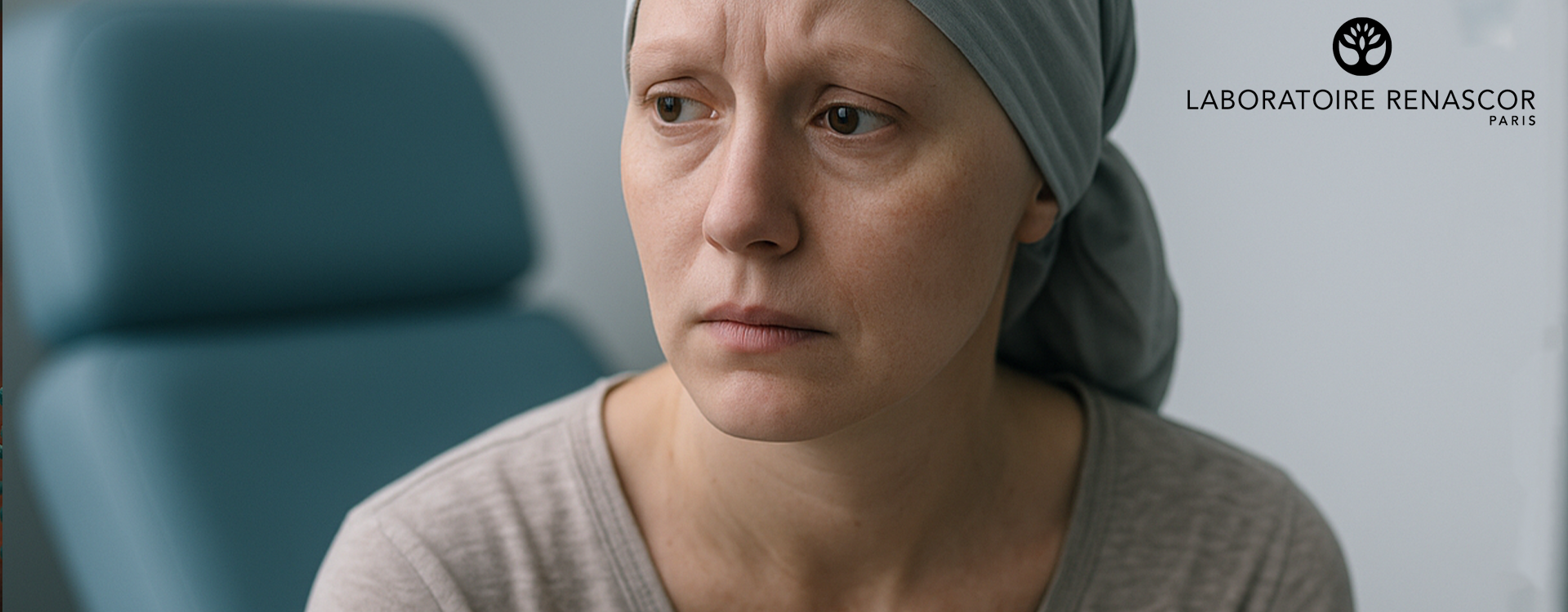
Medications: antidepressants, contraceptives, chemotherapies can alter hair density.
-
Hair care habits: washing too frequently, harsh shampoos, tight hairstyles, excessive heat (hair dryer, straightener).
The medico-social dimension
Hair loss goes beyond aesthetics: it affects identity and self-confidence.
-
Some hair losses require a medical opinion (thyroid, anemia, autoimmune diseases).
-
Socio-hairdressers and socio-beauticians play an essential role: they support vulnerable people, particularly in oncology, and help restore a positive self-image.
-
The support network (family, loved ones) also has a supportive role to play in this reconstruction process.
How Laboratoire RENASCOR can help you
At RENASCOR, we know that every scalp is unique. That's why we offer a personalized and comprehensive approach:
-
An accurate diagnosis: analysis of the scalp, hair density and health history to target the cause of the loss.
-
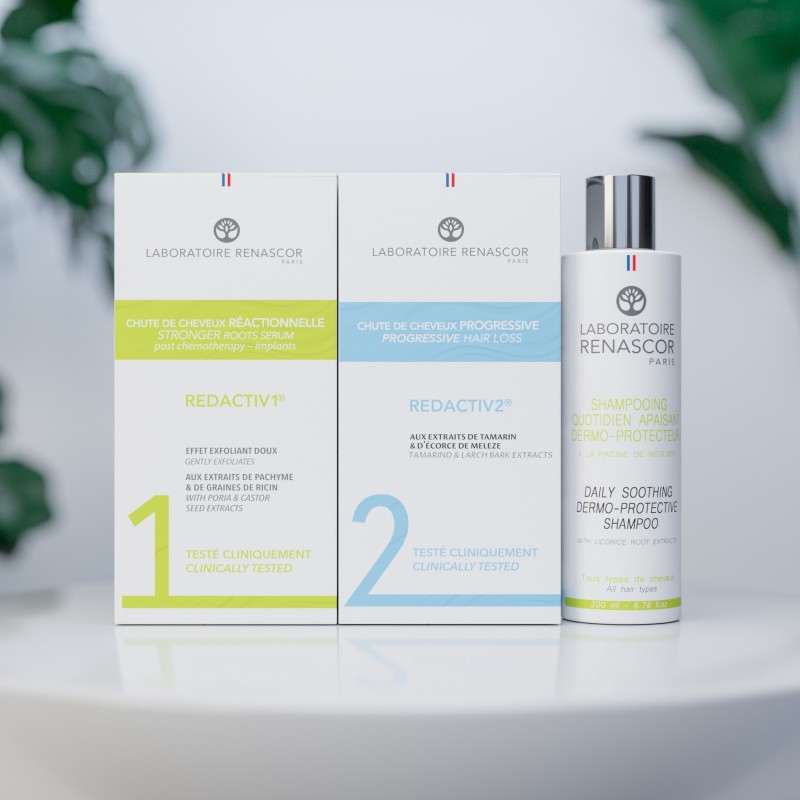
Tailored treatments: unique protocols such as REDACTIV1 and REDACTIV2, combining proven effectiveness and maximum tolerance, to stimulate regrowth and strengthen the scalp.
-
Regular follow-up: because hair reconstruction is a journey, we support each step with an evolving protocol.
-
An educational role: beyond treatment, we popularize the science so that everyone better understands their scalp and becomes an active participant in their hair health.
Conclusion
Hair loss is never trivial: it often reflects a imbalance of the scalp or the body. Recognizing the signals allows one to act in time and prevent density loss from becoming permanent.
Hair rebirth is not just about hair: it is also a rebirth of confidence and identity.
With its expertise, Laboratoire RENASCOR guides you toward concrete, personalized solutions to turn the alert into an opportunity for renewal.
FAQ – Hair loss and scalp
Why does my scalp itch when my hair is falling out?
Itching is often related to inflammation or a fungal overgrowth, which weaken the follicle.
Which foods promote hair regrowth?
Proteins, iron, zinc, B vitamins, omega-3s and antioxidants support follicle health and keratin production.
Is it normal to lose hair in autumn?
Yes, seasonal shedding is common. It is temporary but may reveal a weakness if accompanied by itching or dandruff.
When should you consult a professional?
If the shedding lasts more than 3 months, is accompanied by persistent itching, patches or thinning areas.
What treatments should be used for a sensitive scalp?
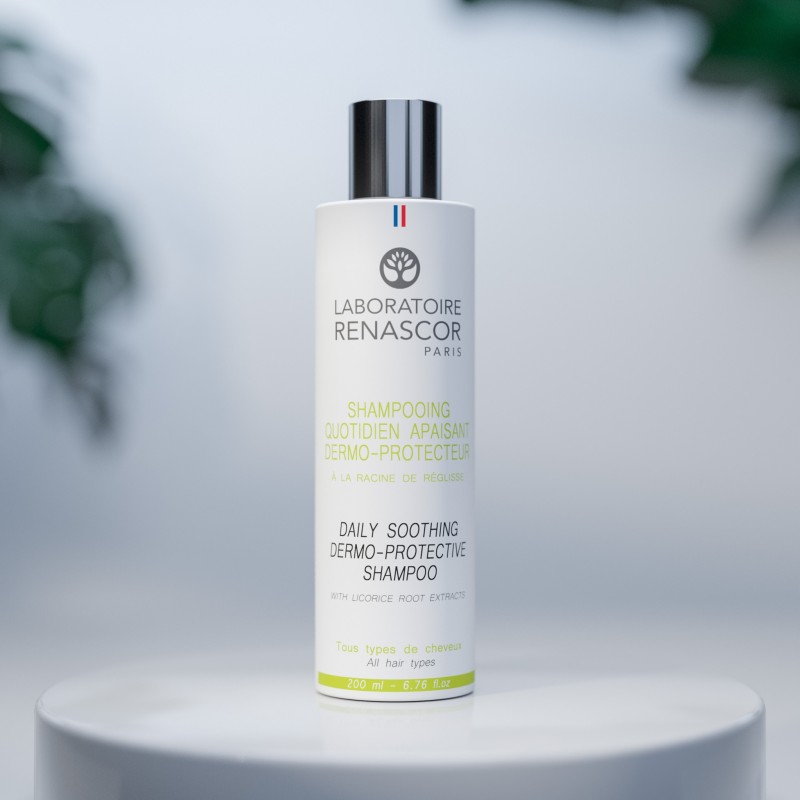
Gentle, scalp-specific treatments enriched with soothing and strengthening active ingredients like those developed by Laboratoire RENASCOR.