


Cancer & Occupational Activity: When Work Becomes a Risk Factor
In some cases, professional activity is not just a challenge to manage after illness: it can be the direct cause.
Prolonged exposure to certain chemicals, toxic substances, or specific working conditions increases the risk of developing cancer.
Understanding these links is essential to better protect workers and support those who suffer the consequences.
Occupational Cancers: An Underestimated Reality
It is estimated that in Europe, between 4% and 8% of cancers are related to professional activity. However, many cases are not reported as such, due to lack of official recognition or a clearly established link.
The most affected sectors are:
Chemical and Metallurgical Industry: exposure to asbestos, solvents, hydrocarbons, wood dust, or heavy metals.
Construction: inhalation of asbestos, silica dust, tars.
Agricultural Sector: repeated contact with pesticides or chemical fertilizers.
Service Sectors: chronic exposure to intense stress, night work, endocrine disruptors.
Obtaining recognition of an occupational cancer remains complex:
The tables of occupational diseases list known carcinogenic substances, but not all cases fit these criteria.
The link between exposure and disease can be difficult to prove, especially if several years have passed.
Many patients give up the process due to lack of information or support.
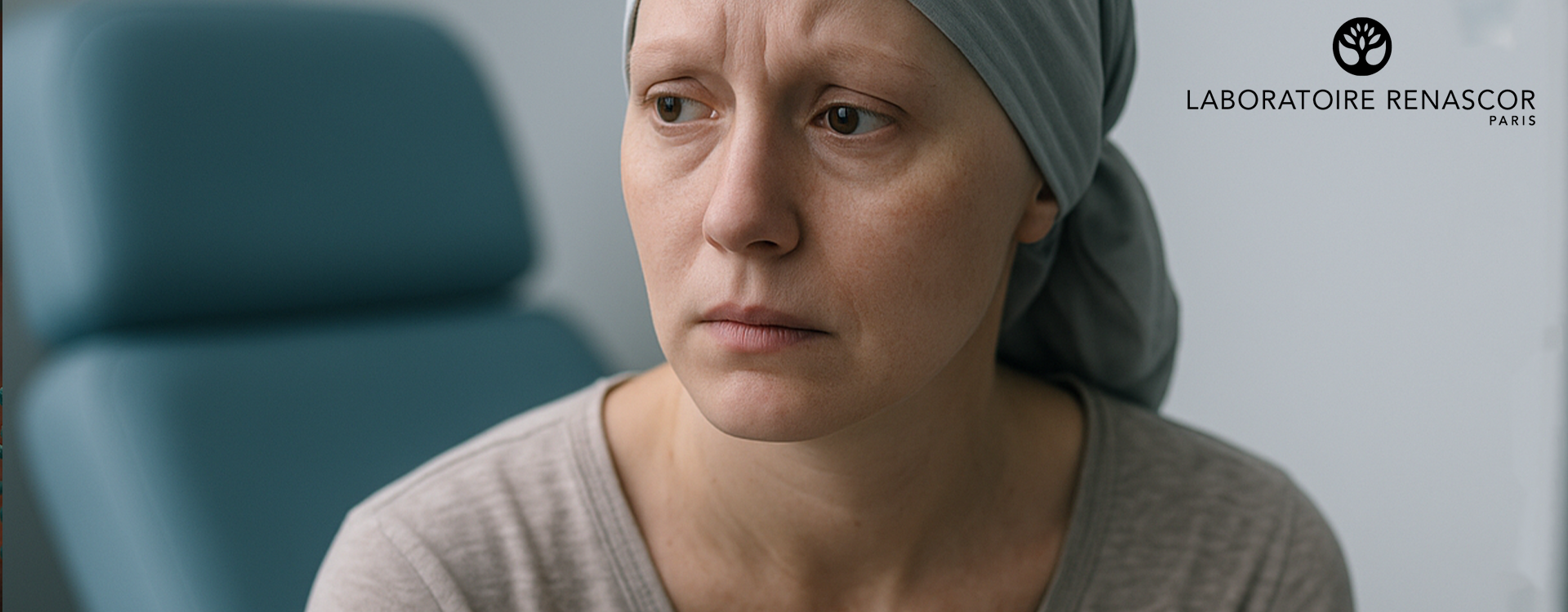
Beyond medical care, patients with occupational cancer often experience a double shock:
The disease itself, with its heavy treatments.
The awareness that their work environment, which was supposed to be protective, contributed to their illness.
Reconstruction therefore goes beyond the medical plan and also involves work on self-image, personal esteem, and social and professional reintegration.
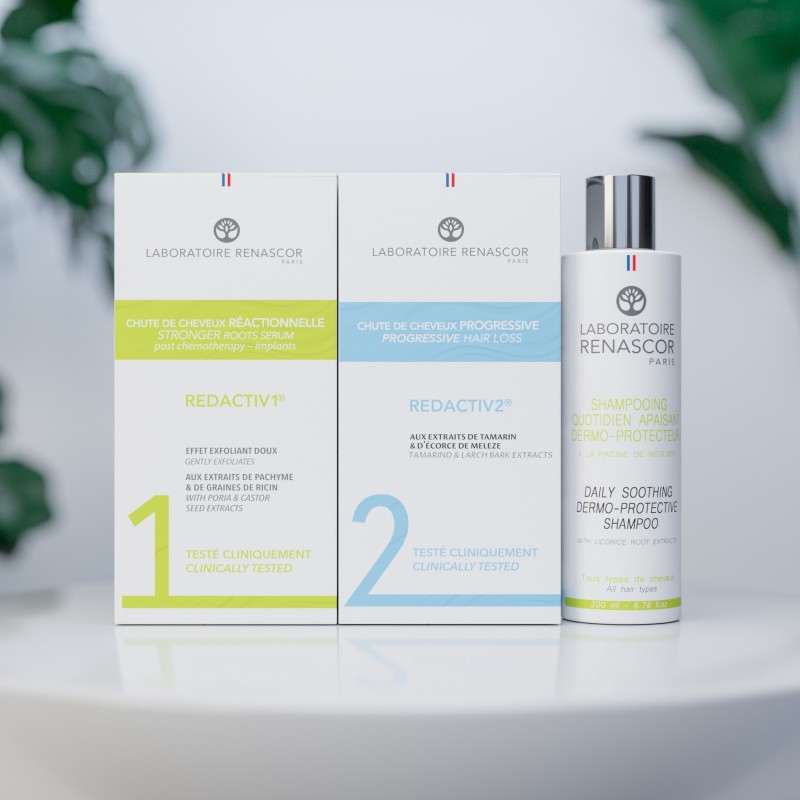
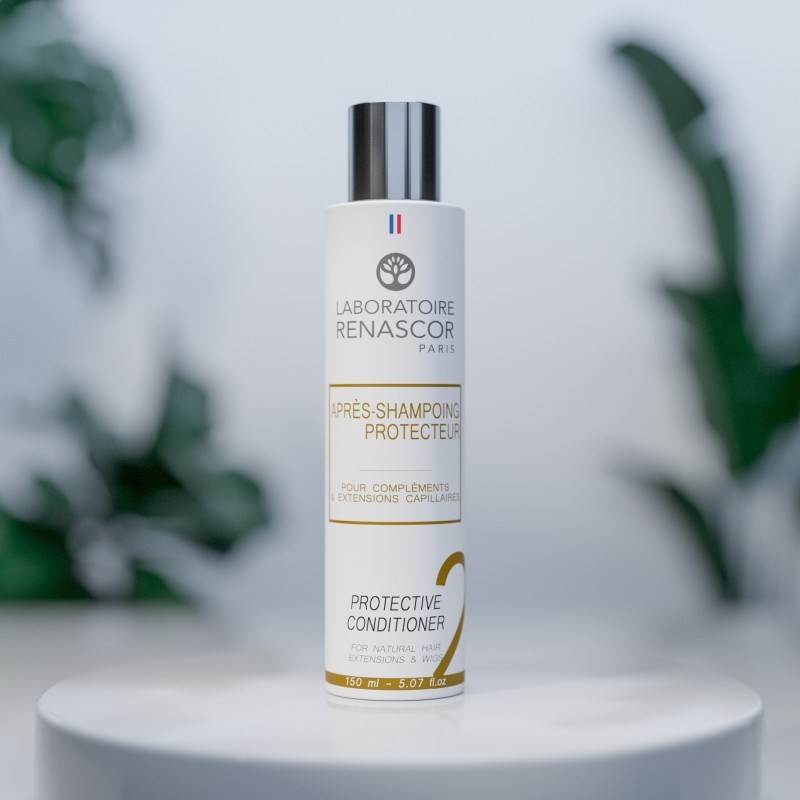
The RENASCOR Laboratory is committed to supporting patients facing cancer, regardless of its origin. A global specialist in post-cancer hair reconstruction, we provide a unique response to a often neglected issue:
Mitigating the visible impact of treatments through the REDACTIV1 and REDACTIV2 protocols.
Helping to restore self-image to face the gaze of others in a professional context.
Supporting hair rebirth as a key step in resilience.
Occupational cancer reminds us that health at work is a major societal issue.
A Difficult Recognition
Occupational Cancer and Reconstruction
Support from the RENASCOR Laboratory
In Summary
Recognition, support, and prevention must progress to protect employees.
And because regaining hair after illness is also regaining a part of one's identity, the RENASCOR Laboratory is committed to supporting each patient on this path of reconstruction.